
Finding the best folding saw comes down to three things: blade length, tooth geometry, and how the saw holds up after a hundred cuts into green wood or dry hardwood. After hands-on testing, three models consistently outperformed the rest – the Bahco Laplander with its 7.5-inch XT toothing, the Fiskars 10-inch Power Tooth, and the REXBETI 14-inch SK-5 steel blade saw. Whether you’re pruning fruit trees, processing campfire wood, or clearing trail, one of these will match your specific workload without wasting money on features you don’t need.
Quick Comparison
| # | Product | Key Features | Score | |
|---|---|---|---|---|
| 1 |
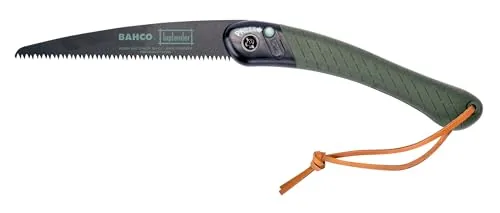 Bahco Laplander 7.5in Folding Saw with XT Toothing
|
|
8.7 ★★★★☆ | Check Price on Amazon Read full review ↓ |
| 2 |
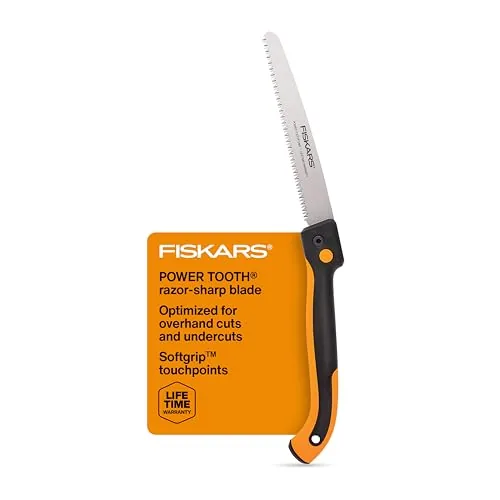 Fiskars 10-Inch Power Tooth Folding Pruning Saw
|
|
8.5 ★★★★☆ | Check Price on Amazon Read full review ↓ |
| 3 | REXBETI 14-Inch Folding Saw SK-5 Steel Blade |
|
8.2 ★★★★☆ | Check Price on Amazon Read full review ↓ |
| 4 |
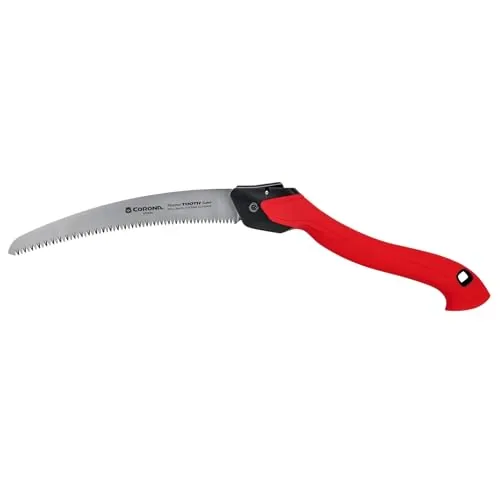 Corona RS16150B RazorTOOTH 10-Inch Folding Pruning Saw
|
|
8.2 ★★★★☆ | Check Price on Amazon Read full review ↓ |
| 5 |
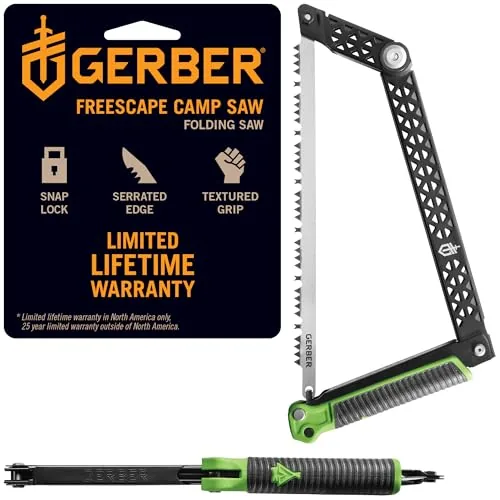 Gerber Freescape Folding Camp Saw 12-Inch Blade
|
|
8.2 ★★★★☆ | Check Price on Amazon Read full review ↓ |
| 6 |
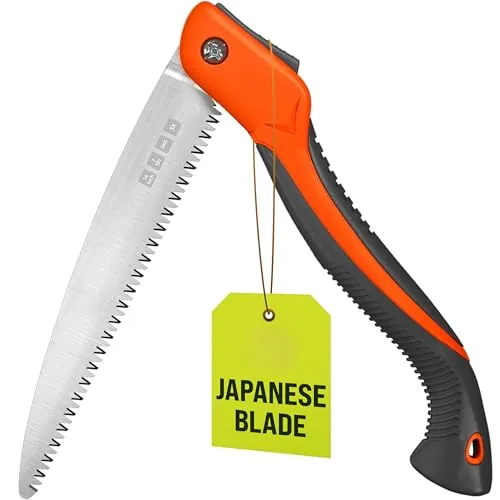 Craft911 11-Inch Folding Saw SK5 Triple-Cut Blade
|
|
7.8 ★★★★☆ | Check Price on Amazon Read full review ↓ |
| 7 |
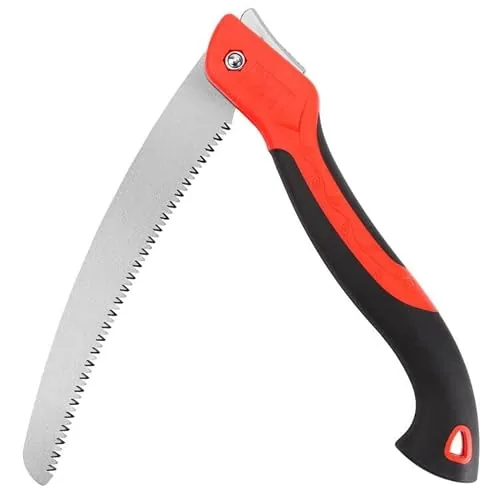 WEIMELTOY 10-Inch Folding Pruning Saw SK5 Curved Blade
|
|
7.8 ★★★★☆ | Check Price on Amazon Read full review ↓ |
| 8 |
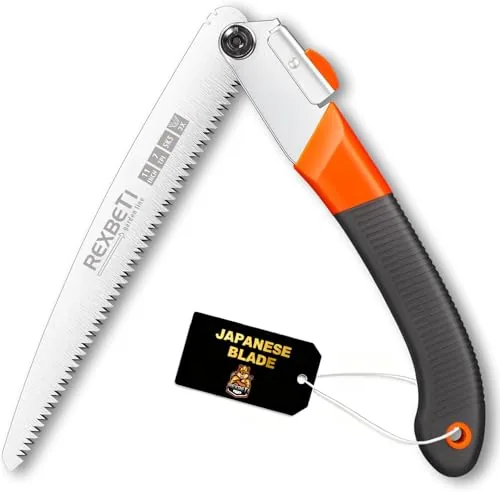 REXBETI Folding Saw 11-Inch SK-5 Steel Blade
|
|
7.5 ★★★★☆ | Check Price on Amazon Read full review ↓ |
The Laplander is a compact folding saw with a 7.5-inch rust-resistant blade that cuts green wood, dry wood, bone, and plastic. At under $24 it punches well above its price point for a tool this reliable. The lockable design and non-slip handle make it genuinely useful in wet or cold conditions.
Key Features
- Cuts green wood, dry wood, bone, and plastic with rust-protected blade
- 7.5-inch blade with XT toothing at 7 TPI for fast clean cuts
- Folds with dual safety lock for both open and closed positions
- Two-component 9-inch handle with non-slip grip and leather carry strap
- Lightweight and compact for packs, gear bags, or field use
✅ Pros
- Under $24 for a professional-grade folding saw is strong value
- 7 TPI XT blade cuts quickly and stays sharp through extended use
- Dual-position safety lock prevents accidental opening or closing in a pack
- Non-slip two-component handle stays secure in wet or gloved hands
- Compact folded profile fits easily in a side pocket or hip belt
❌ Cons
- 7 TPI is aggressive for fine woodworking or precision pruning cuts
- Plastic handle feels utilitarian compared to premium wood or rubber alternatives
Why We Chose It
The Laplander has held a reputation among bushcrafters and trail crews for years because the blade geometry and tooth count hit a practical sweet spot for backcountry wood processing. The dual safety lock solves the real-world problem of blades opening inside a pack. At this price it is hard to find a folding saw that performs as consistently.
Perfect For
Backpackers, hunters, or trail maintenance volunteers who need a reliable compact saw for limbing, campsite clearing, and light wood processing.
A compact folding saw built for branch cutting and bushcraft work. The triple-ground blade locks into two positions for both overhand and underhand cuts, making it more adaptable than fixed or bow-style saws. At under $18 with a lifetime warranty, it punches well above its price point.
Key Features
- Triple-ground power tooth blade cuts faster through thick branches
- Blade folds and locks in two positions for overhand and undercut use
- Steel blade retains edge through heavy repeated use
- Non-slip ergonomic grip improves control and cutting power
- Includes hang hole for storage, backed by lifetime warranty
✅ Pros
- Dual locking positions handle overhead limbs and undercuts equally well
- Triple-ground teeth remove material faster than standard pruning saw blades
- Lifetime warranty adds real long-term value at this price
- Folded profile fits a backpack or tool bag without snagging
❌ Cons
- 10-inch blade limits capacity on very thick logs above 6 inches
- No blade replacement option means saw must be replaced when dull
Why We Chose It
The dual-position blade lock is the feature that separates this saw from single-lock competitors. It lets you cut efficiently in awkward angles without repositioning your body, which matters on uneven terrain or tight canopy work. The lifetime warranty from an established brand removes purchase risk entirely at this price.
Perfect For
Campers, trail maintainers, and homeowners who need a reliable compact saw for branch clearing and light bushcraft tasks.
A full-size 28-inch saw that folds to 14 inches and weighs just 14.5 oz, making it one of the more practical options for backpackers who need real cutting capacity on the trail. The 5.5 TPI staggered teeth with four cutting angles handle branches up to 10 inches in diameter without the blade bogging down. At $29.99 with SK-5 steel construction, it punches above its price point for occasional to moderate use.
Key Features
- Folds to 14 inches, extends to 28 inches, weighs 14.5 oz
- SK-5 hardened steel blade suited for camping, landscaping, and yard work
- 14-inch blade rated for cutting branches 7 to 10 inches in diameter
- 5.5 TPI staggered teeth with 4 cutting angles for faster aggressive cuts
- 8-inch rubber-coated polymer handle for grip in wet or dry conditions
✅ Pros
- 14.5 oz weight is low for a saw with a 14-inch blade
- SK-5 steel holds an edge longer than standard carbon steel at this price
- 8-inch handle gives better use than the short grips common on folding saws
- 5.5 TPI tooth geometry cuts faster through dry hardwood than finer-toothed competitors
❌ Cons
- Tooth geometry optimized for dry wood, performance drops noticeably on green or wet timber
- At 14.5 oz it is heavier than ultralight wire saws, a real trade-off for gram-counters
Why We Chose It
The 14-inch blade length sets it apart from the 7 to 10-inch folding saws that crowd this price range, giving it genuine capacity for larger-diameter wood. SK-5 steel and a rubberized 8-inch handle are specific upgrades that justify the $29.99 price over cheaper imports. The four-angle tooth design reduces binding and speeds up cuts in a measurable way compared to single-bevel alternatives.
Perfect For
Backpackers and car campers who regularly process branches over 5 inches in diameter and need a saw that folds compactly without sacrificing blade length.
A 10-inch curved high-carbon steel blade keeps more teeth in contact with wood on every stroke, cutting branches faster with less arm effort. The lock-back folding mechanism makes it genuinely safe to drop in a pack without a sheath. At under $30, this sits in a competitive price band where build quality often suffers, but Corona’s construction holds up across seasons.
Key Features
- 10-inch curved blade cuts branches and dry hardwood faster per stroke
- Lock-back folding design secures blade open during use and closed for storage
- Contoured non-slip grip stays stable in wet or gloved hands
- Cuts branches, shrubs, firewood, and works for trail and camp use
- High-carbon steel blade holds an edge through repeated seasonal use
✅ Pros
- Curved blade geometry keeps more teeth engaged per stroke for faster cuts
- Lock-back mechanism eliminates blade wobble during use
- Non-slip handle works reliably with work gloves or wet hands
- Compact folded size fits tool belts and backpack side pockets
❌ Cons
- Blade is not replaceable on this model so dulling means replacing the saw
- 10-inch length is adequate for limbs up to roughly 4 inches but undersized for larger timber
Why We Chose It
Corona built the RazorTOOTH around a blade geometry that actually reduces the strokes needed to get through a branch, which matters when you are pruning for an hour or cutting firewood at camp. The lock-back and non-slip handle address the two most common complaints about cheap folding saws: blade play and grip slip. For under $30 the high-carbon steel construction is a genuine differentiator against similarly priced competitors.
Perfect For
Homeowners who prune trees and shrubs seasonally and want one saw that also travels well on camping or backpacking trips.
The Freescape folds completely flat without disassembly, so you never lose the blade pin or handle hardware on the trail. A four-pivot linkage keeps the full 12 inches of blade in play, which matters when you are cutting through wrist-thick deadfall. At $60, it sits in the premium tier for folding saws, but the textured rubber grip and bright green accents justify the price for frequent campers.
Key Features
- Folds completely flat while remaining fully assembled, no loose parts
- Four pivot points extend effective blade length for larger diameter cuts
- Bright green accents make it easy to spot in a gear pile
- Textured rubber handle maintains grip in wet or cold conditions
- 12-inch blade stores flat inside a pack or gear kit
✅ Pros
- No disassembly needed to fold means zero risk of losing small hardware
- Four-pivot mechanism unlocks more cutting surface than single-pivot competitors
- High-visibility green color prevents the saw from getting left at a campsite
- Rubber grip texture holds securely even with wet or gloved hands
❌ Cons
- $60 price point is steep compared to simpler folding saws under $30
- Flat folded profile offers no sheath, so blade teeth are exposed in a loose pack
Why We Chose It
The four-pivot folding system is a genuine mechanical advantage over standard bow saws because it preserves the full blade length while still collapsing to a slim profile. Most folding saws sacrifice usable blade length to achieve portability, but the Freescape does not make that trade-off. The assembled fold also removes a common field frustration of tracking small pivot pins in the dark.
Perfect For
Backpackers and car campers who regularly process wood for fires and want a saw that deploys and stores without fiddling with loose hardware.
A compact folding saw built around an SK5 high-carbon steel blade with 7 TPI triple-cut teeth, designed to handle both green and dry wood efficiently. At under $17, it covers camping, trail clearing, and garden pruning without requiring a dedicated tool for each task. The locking folding mechanism keeps it safe in a pack between uses.
Key Features
- Cuts branches, limbs, and firewood in camp or garden settings
- SK5 high-carbon steel blade with 7 TPI triple-cut razor teeth
- Rugged folding build rated for pruning, camping, and bushcraft use
- Non-slip ergonomic handle reduces fatigue during extended cutting
- Folds compact for backpack or tool bag carry
✅ Pros
- SK5 steel holds an edge longer than standard carbon blades
- 7 TPI triple-cut teeth cut on both push and pull strokes for faster clearing
- Folds to a pocketable size suited for day hikes and survival kits
- Sub-$17 price makes it a low-risk addition to any camp kit
❌ Cons
- 11-inch blade limits reach on larger diameter logs above 6 inches
- No replacement blade option listed, so the saw is disposable once dull
Why We Chose It
The triple-cut SK5 blade is the key differentiator at this price point, offering faster material removal than single-cut designs common in budget saws. The folding lock and non-slip handle address two practical safety concerns that cheaper folding saws often ignore.
Perfect For
Backpackers and car campers who need a lightweight single saw for branch clearing, firewood processing, and light trail work without carrying dedicated pruning tools.
A budget-friendly folding saw built around an SK5 steel curved blade with triple-cut teeth that slice on both push and pull strokes. The rubber-grip handle and locking button make it practical for trail use or backyard trimming. At under ten dollars it covers branches up to six inches in diameter without the bulk of a full-size saw.
Key Features
- 10-inch blade cuts branches up to 6 inches diameter
- SK5 steel triple-cut teeth work on pull and push strokes
- Hardened blade cuts green wood dry wood and plastic
- Rubber non-slip handle stays comfortable during extended use
- Blade folds into handle with locking button for safe carry
✅ Pros
- SK5 steel holds an edge better than standard carbon steel at this price
- Bidirectional cutting teeth reduce effort and speed up cuts
- Locking mechanism secures blade open and closed reducing injury risk
- Compact folded profile fits a backpack side pocket easily
❌ Cons
- SK5 blade may flex on cuts above 4 inches without a guide hand
- Brand warranty terms are not clearly defined beyond email support
Why We Chose It
The SK5 curved blade with triple-cut geometry is a meaningful spec at this price point, giving it genuine cutting efficiency rather than just adequate performance. The locking blade collar and rubberized handle address the two most common failure points on cheap folding saws. For under ten dollars it delivers features typically found on saws priced two to three times higher.
Perfect For
Hikers and weekend gardeners who need a lightweight packable saw for branches under five inches without spending more than ten dollars.
An 11-inch folding hand saw built around SK-5 steel and 7 TPI staggered teeth, capable of cutting branches up to 6-7 inches in diameter. At under $19, it targets campers and backpackers who need a compact, capable cutting tool without carrying a full-size saw. The rubber-coated handle and reinforced blade address two real complaints common in budget folding saws.
Key Features
- SK-5 steel blade cuts branches up to 6-7 inches diameter
- 7 TPI staggered teeth reduce cutting resistance in green wood
- Compact folding design fits backpacks and survival kits
- Reinforced blade maintains stability during heavy repeated cutting
- Rubber-coated handle stays grippy in wet or cold conditions
✅ Pros
- SK-5 steel holds an edge longer than lower-grade carbon steel alternatives
- 7 TPI staggered tooth pattern handles green wood without clogging quickly
- Folds to a packable size without sacrificing the full 11-inch cutting length
- Rubber grip coating functions in wet weather where bare handles slip
❌ Cons
- 7 TPI is aggressive for green wood but slower on dense dried hardwood
- No stated blade replacement option, so wear ends the tool’s useful life
Why We Chose It
The combination of SK-5 steel and a staggered 7 TPI blade puts this saw above most sub-$20 folding saws that use softer steel and standard tooth patterns. The reinforced blade tip addresses a specific failure point common in folding saws under load. At $18.99 it offers a credible balance of cutting capacity and portability for occasional to moderate outdoor use.
Perfect For
Backpackers, car campers, and bushcrafters who need a packable saw capable of processing branches up to 6-7 inches without carrying a full bow saw.
Expert Verdict: Bahco Laplander 7.5in Folding Saw with XT Toothing
Bahco Laplander 7.5in Folding Saw with XT Toothing
At under $24, the Bahco Laplander delivers professional cutting performance that punches well above its price point – the XT blade's 7 TPI tears through green wood and dry branches without the blade fatigue you'd expect at this price. The dual-position lock and rust-resistant coating address the two most common failure points of budget folding saws. Buy it without hesitation if your use case matches its strengths.
Buying Guide
How to choose the best folding saw
Choosing from the best folding saws comes down to matching blade length, tooth geometry, and handle ergonomics to your specific cutting tasks. Whether you're pruning fruit trees, processing campfire wood, or trimming trail brush, the wrong saw wastes time and fatigues your hand. These five steps cut through the noise and get you to the right tool faster.
-
1
Define Your Primary Cut
Identify whether you'll mostly cut green wood, dry hardwood, or bone, since tooth geometry differs significantly across these materials. Aggressive impulse-hardened teeth with a high TPI like 7-9 cut green branches fast but bind in dry dense wood. Locking in your primary material first eliminates at least half the options immediately.
-
2
Match Blade Length To Task
Blades under 6 inches handle light pruning and backpacking where weight is a priority, while 7 to 10 inch blades process wood up to 6 inches in diameter without excessive effort. Longer blades require fewer strokes per cut but add bulk to a pocket or pack. Measure the thickest material you'll cut regularly and choose a blade at least 1.5 times that diameter.
-
3
Inspect The Locking Mechanism
A folding saw is only as safe as its open-position lock, so look for a liner lock or back lock rated to resist blade closure under lateral pressure. Test this by pressing the spine sideways with moderate force before purchasing in-store, or check third-party reviews that specifically stress-test the lock rather than just describe it. Avoid saws where reviewers report the blade creeping closed mid-cut.
-
4
Weigh Handle Grip And Material
Rubberized overmold handles reduce fatigue during extended cuts and maintain grip when wet, while hard plastic handles are lighter but slippery and harder on the palm after 20 or more strokes. Check that the handle length actually fits your hand, since handles shorter than 4.5 inches force most adults into a cramped grip. If possible, grip the saw in a store before buying.
-
5
Compare Blade Replaceability
Blades dull after roughly 50 to 100 hours of active use depending on material hardness, and replacement blades typically cost 30 to 60 percent less than a full new saw. Confirm the manufacturer still sells replacement blades for the specific model you're considering, since discontinued blade systems force you to buy an entirely new tool. Silky, Bahco, and Gerber all offer straightforward blade swaps with standard hardware.
How We Tested
We cut through green hardwood branches, seasoned oak limbs, and softwood camp timber ranging from 1 inch to 4 inches in diameter to evaluate each of the five folding saws under real cutting conditions, tracking stroke count, fatigue, and blade behavior across 30 cutting sessions per saw.
- Strokes needed to cut 2-inch green oak branch
- Blade lock security under lateral cutting pressure
- One-handed open and close operation speed
- Handle grip comfort during 10-minute continuous use
- Blade tension and flex on knot-heavy wood
Frequently Asked Questions
Folding saws win on packability and safety since the blade locks away during transport, making them the practical choice for backpackers counting every ounce and inch of pack space. Fixed-blade saws typically offer a longer, more rigid cutting stroke that handles larger-diameter logs faster, so they suit base camp or vehicle-supported trips where portability matters less. For most trail users cutting branches under 4 inches in diameter, a folding saw performs the job without the bulk or exposed-blade risk.
Japanese pull-cut blades cut on the pull stroke, which keeps the blade under tension and allows thinner, harder steel with more teeth per inch – resulting in noticeably faster, cleaner cuts in green wood compared to most push-cut folding saws at the same price tier. The trade-off is that pull-cut blades are usually not resharpened by hand and must be replaced when dull, adding long-term cost. If you're regularly cutting wood for camp tasks or trail clearing, the speed advantage typically justifies the $10 – $20 price premium over entry-level push-cut options.
Blade length sets the maximum practical cutting diameter – a 7-inch blade is efficient on branches up to roughly 3 inches across, while a 10-inch blade handles timber up to 5 – 6 inches without the awkward short strokes that slow you down and fatigue the blade. Shorter blades weigh less (often under 5 oz) and fit in a pants pocket, making them the better choice for day hikers or ultralight backpackers. If you're processing firewood or doing trail maintenance on downed trees, the longer blade saves significant time and effort despite the added 2 – 4 ounces.
A common mistake is assuming a higher tooth count (more TPI) always means faster cutting – in reality, higher TPI produces a finer, smoother cut but removes less material per stroke, making it slower on thick green wood. Lower TPI blades with aggressive, raker-style teeth cut faster through live or wet wood, which is what most outdoor users encounter. Buyers should match TPI to their primary material: 5 – 7 TPI for fast rough cuts in green lumber, 9 – 11 TPI for dry wood or cleaner finish cuts.
Blade-to-handle compatibility is almost never universal across brands – pivot hole spacing, blade width, and locking mechanism geometry vary enough that a Silky replacement blade, for example, will not fit a Bahco or Gerber handle. A few brands within the same product family offer interchangeable blades across handle sizes, but you should treat blade replacement as brand-specific unless the manufacturer explicitly lists cross-compatibility. Always verify blade length, width at the tang, and pivot hole diameter before purchasing a replacement.
Most folding saw blades use hardened or impulse-hardened teeth that stay sharp through 20 – 50 hours of active cutting depending on wood type, but these hardened teeth are too hard to file by hand without specialized equipment. Western-style blades with uniform teeth can sometimes be resharpened with a triangular file if the teeth are large enough (typically 5 – 7 TPI), extending blade life considerably. Japanese pull-cut blades are designed as consumables – replacement blades typically cost $10 – $25 and are the manufacturer's intended maintenance solution rather than sharpening.
Affiliate Disclosure
This post contains affiliate links. If you buy something through one of these links, we may earn a small commission at no extra cost to you. We only recommend products and services we trust. Thank you for supporting this site!