
Finding the best camping first aid kits comes down to three things: what emergencies you’re likely to face, how much weight you can carry, and whether your kit will survive the same conditions you’re hiking through. After hands-on testing, three kits consistently stand out for different types of campers – the Gevoke 410-Piece Waterproof Hard Shell for car campers who want complete coverage, the EVERLIT 250-Piece IFAK Molle Kit for backpackers who need tactical organization and serious trauma supplies, and the Adventure Medical Kits Ultralight/Watertight.5 for ultralight hikers counting every ounce. Here’s exactly what each one gets right, where each falls short, and which one belongs in your pack.
Quick Comparison
| # | Product | Key Features | Score | |
|---|---|---|---|---|
| 1 |
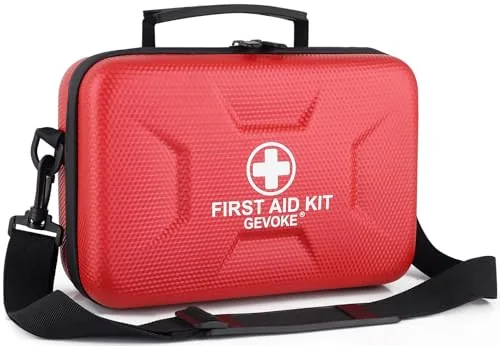 Gevoke 410-Piece Waterproof Hard Shell First Aid Kit
|
|
8.2 ★★★★☆ | Check Price on Amazon Read full review ↓ |
| 2 |
 EVERLIT 250-Piece Survival First Aid IFAK Molle Kit
|
|
8.2 ★★★★☆ | Check Price on Amazon Read full review ↓ |
| 3 |
 Adventure Medical Kits Ultralight/Watertight.5 First Aid Kit
|
|
8.2 ★★★★☆ | Check Price on Amazon Read full review ↓ |
| 4 |
 Vriexsd Mini First Aid Kit 150-Piece Waterproof Hard Shell
|
|
7.8 ★★★★☆ | Check Price on Amazon Read full review ↓ |
| 5 |
 Vriexsd 320-Piece Waterproof Hard Shell First Aid Kit
|
|
7.8 ★★★★☆ | Check Price on Amazon Read full review ↓ |
| 6 |
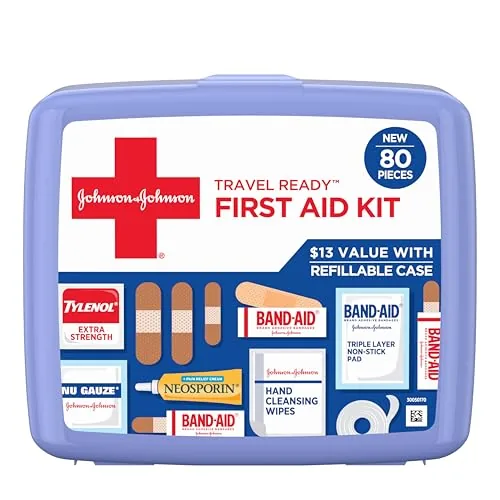 Band-Aid 80-Piece Portable Travel First Aid Kit
|
|
7.8 ★★★★☆ | Check Price on Amazon Read full review ↓ |
| 7 |
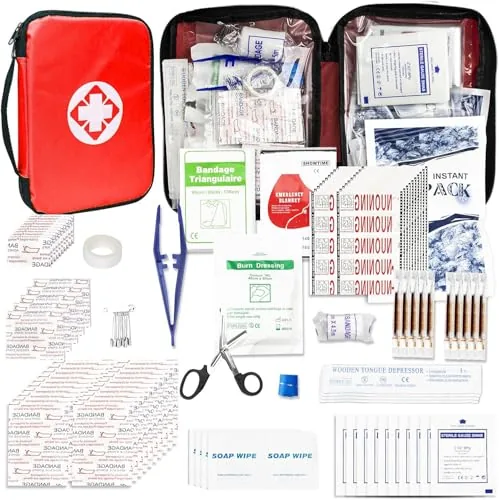 1st Aid 300-Piece Portable First Aid Kit
|
|
7.5 ★★★★☆ | Check Price on Amazon Read full review ↓ |
| 8 |
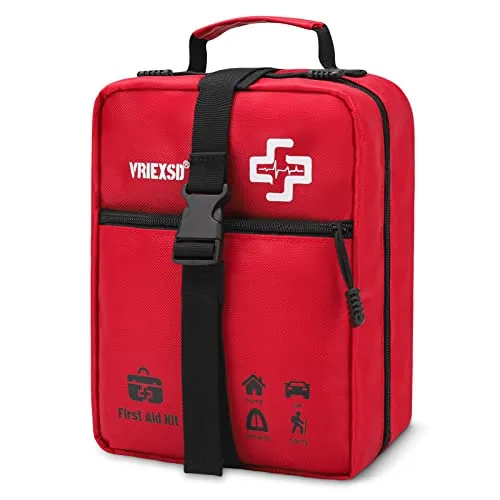 VRIEXSD 400-Piece First Aid Kit with Divided Compartments
|
|
7.5 ★★★★☆ | Check Price on Amazon Read full review ↓ |
A 410-piece kit packed into a 9.8 by 6.6 by 4.1 inch waterproof EVA shell weighing 2.43 lbs. Five transparent internal compartments let you locate supplies without digging. The detachable shoulder strap and hard case make it practical for both vehicle storage and trail use.
Key Features
- 410 pieces covering wounds, burns, sprains, and blisters
- Five transparent compartments for immediate visual access
- 9.8 x 6.6 x 4.1 inches, 2.43 lbs with detachable shoulder strap
- Waterproof EVA shell with reinforced hardness and dual waterproof zippers
- Suitable for home, vehicle, camping, hiking, and workplace use
✅ Pros
- Hard shell protects contents from crushing in bags or vehicle storage
- Waterproof zippers and EVA construction handle rain and wet conditions
- 410-piece count covers a wide range of minor injury scenarios
- Five compartments reduce search time during stressful emergencies
❌ Cons
- At 2.43 lbs fully loaded it is heavier than soft-pouch alternatives for ultralight hikers
- 410-piece count includes small consumables that deplete quickly without a restock plan
Why We Chose It
The rigid waterproof EVA case sets it apart from soft fabric kits that compress and disorganize contents over time. Five transparent compartments address the real problem of fumbling for supplies under pressure. The price-to-piece ratio at $39.99 for 410 items is competitive for a hard-case kit in this size range.
Perfect For
Families who want a single kit that moves between the home, car, and campsite without worrying about water damage or crushed supplies.
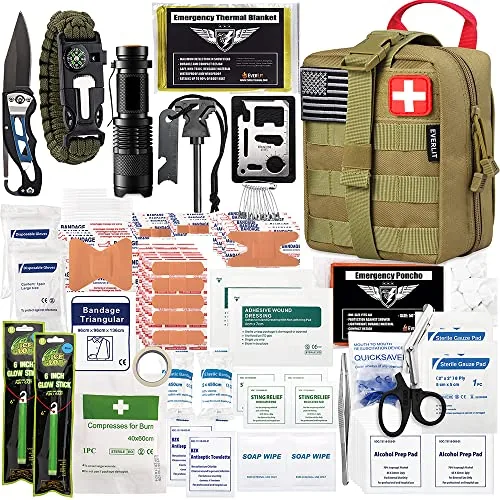
A veteran-designed kit that combines 250 first aid and survival items in a 2 lb, 8×6.5×5 inch 1000D nylon pouch. It covers wound care, trauma response, and backcountry emergencies in one organized bag. At $39.99 it offers meaningful utility for families and solo adventurers alike.
Key Features
- 250-piece kit weighs 2 lbs, designed by army veterans
- Exceeds OSHA guidelines with supplies for a single family
- 1000D water-resistant nylon bag, 8 x 6.5 x 5 inches
- Includes space blanket, flashlight, paracord bracelet, knife, glow sticks
- Molle-compatible, attaches to backpacks, vests, or vehicle panels
✅ Pros
- High item count at a sub-$40 price point
- Molle attachment works with most tactical backpacks and vests
- Survival tools included alongside medical supplies, reducing need for a second kit
- Three separate compartments keep medical and gear items sorted
❌ Cons
- Item count includes small consumables that may run out fast in a multi-person emergency
- Kit may feel overpacked, requiring reorganization before first use
Why We Chose It
The combination of trauma-capable medical supplies and practical survival tools in a single Molle pouch is uncommon at this price. The 1000D nylon construction and veteran input on contents give it credibility beyond typical budget kits. Molle compatibility makes it easy to integrate into an existing pack setup without extra hardware.
Perfect For
Hikers, campers, and preppers who want one bag covering both wound care and wilderness survival without carrying two separate kits.
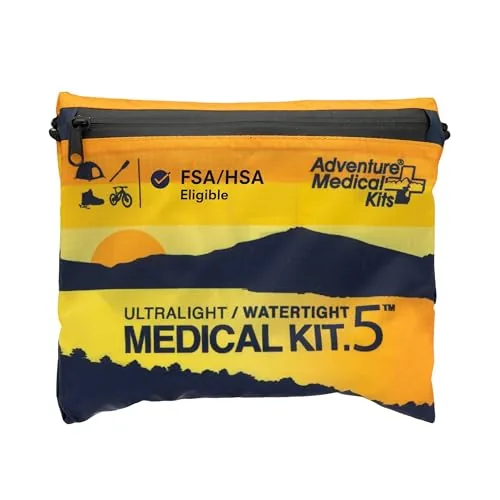
A 2.6-ounce kit built for day hikes and overnight trips with up to two people. The DryFlex inner bag provides genuine waterproofing, not just splash resistance, making it reliable in rain or river crossings. Covers the most common trail injuries including cuts, blisters, insect stings, and muscle pain.
Key Features
- Fits in a pack side pocket, weighs under 3 ounces
- Reusable waterproof DryFlex inner bag with water-resistant outer shell
- Includes bandages, gauze, and medications for common outdoor wounds
- Die-cut moleskin pads sized for friction blisters
- Contains antiseptic wipes, antibiotic ointment, insect sting relief, alcohol swabs, splinter picker, and safety pin
✅ Pros
- Genuine waterproofing via DryFlex bag protects supplies in wet conditions
- Compact enough to fit in a side pocket without consuming pack space
- Covers blister prevention and treatment, a top cause of trip-ending discomfort
- Complete wound care lineup including antiseptic wipes, ointment, and multiple bandage types
❌ Cons
- Sized for only 2 people and 2 days, requiring upgrades for larger groups or longer trips
- No included instructions or wilderness first aid reference card
Why We Chose It
The DryFlex waterproof inner bag separates this kit from cheaper alternatives that use basic zip-lock pouches. At under $32 it delivers a credible wound care and blister management loadout without redundant bulk. The sizing is honest and specific, which helps buyers match it to the right trip type rather than overpacking or underpacking.
Perfect For
Solo hikers or pairs doing 1 to 2 day trail trips who want a lightweight, genuinely waterproof first aid option that handles blisters as seriously as cuts.
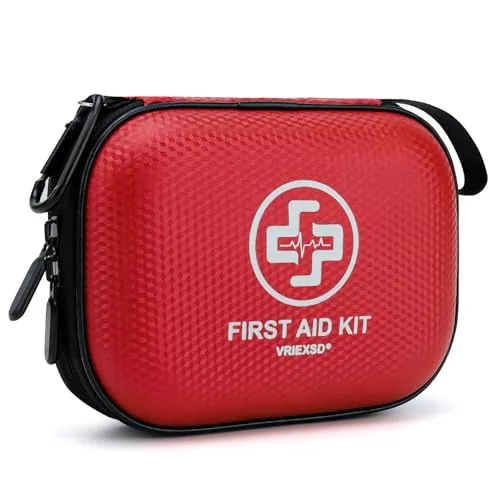
A 150-piece kit packed into a 6.4 by 4.9 by 2.7 inch hard shell case weighing under a pound. It includes bandages, gloves, tweezers, a tourniquet, and povidone-iodine pads organized across multiple compartments. At $9.99 it delivers a broad range of supplies at a price point most travelers and campers can justify keeping as a backup kit.
Key Features
- 150 supplies including tourniquet, tweezers, bandages, and gloves
- 6.4 x 4.9 x 2.7 inch case weighs 0.73 lbs with carabiner attachment
- Compartments divided into labeled sleeves for faster item access
- Waterproof EVA hard shell exterior, smooth PU surface, easy to wipe clean
- Covers home, car, camping, hiking, office, and travel scenarios
✅ Pros
- Tourniquet included at this price point is a genuine safety upgrade
- Hard shell protects contents from compression unlike soft pouches
- Carabiner attachment clips directly to a backpack without extra gear
- Compartment layout keeps items separated and reduces digging time
❌ Cons
- EVA shell is water resistant but not submersible, limiting use near water
- 150-piece count likely includes multiples of small items inflating the total
Why We Chose It
Including a tourniquet in a sub-$10 kit separates this from most budget options that skip critical trauma supplies. The rigid EVA case resists crushing in a packed bag, which soft kits at this price rarely offer. Organized inner sleeves mean faster access when seconds matter.
Perfect For
Budget-conscious hikers, commuters, or parents who want a dedicated car or backpack kit without spending on a premium brand.
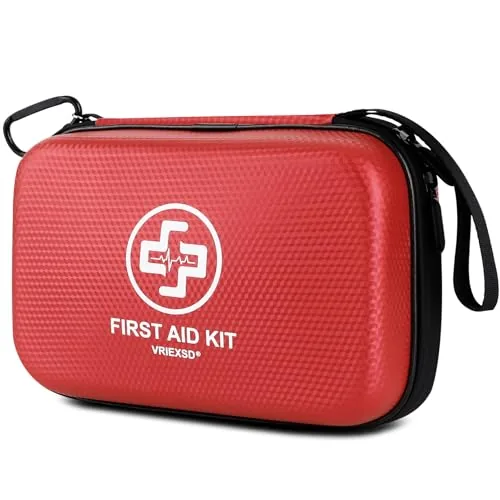
A 320-piece kit packed into an 8.65 by 5.88 by 3.54 inch EVA hard case with compartmentalized inner sleeves for fast item retrieval. It includes bandages, povidone-iodine pads, metal tweezers, and a tourniquet, all latex-free. At under $22, it covers home, vehicle, and trail use without requiring a second kit.
Key Features
- 320 latex-free medical supplies including tourniquet and tweezers
- Compartmentalized interior sleeves for fast item identification
- Compact 8.65 x 5.88 x 3.54 inch hard EVA shell
- Water-resistant EVA exterior with dual zippers and carabiner
- Suitable for home, vehicle, camping, hiking, and workplace use
✅ Pros
- Tourniquet inclusion is rare at this price point
- Hard EVA shell protects contents better than soft pouches
- Carabiner attachment lets it clip directly to a backpack
- Compartmentalized layout reduces time searching during emergencies
❌ Cons
- Water-resistant rating means splash protection only, not submersion
- Brand has limited track record compared to established medical kit makers
Why We Chose It
The hard EVA shell and tourniquet inclusion set this kit apart from fabric competitors at the same price. Organized inner sleeves mean you can locate a bandage or antiseptic pad in seconds rather than digging through a loose pile. The carabiner and compact dimensions make it genuinely packable for day hikes or road trip glove boxes.
Perfect For
Campers, hikers, or car commuters who want a structured, grab-and-go kit under $25 without sacrificing critical trauma supplies like a tourniquet.
A compact kit covering the most common minor injury scenarios with name-brand supplies already included. At under $11 it removes the guesswork of assembling your own travel kit from scratch. The hard case keeps contents organized and fits in a glove box, backpack, or carry-on.
Key Features
- 80-piece assortment covers cuts, scrapes, burns, and pain relief
- Compact case sized for car glove boxes, bags, and dorm rooms
- Includes cleansing wipes, gauze pads, antibiotic cream, and adhesive bandages
- Contains Neosporin antibiotic cream for minor wound infection prevention
- Tylenol pain relief caplets included for temporary ache and pain relief
- Bandages are latex-free in multiple sizes
- Designed to be refillable as supplies are used
✅ Pros
- Multi-brand contents mean Neosporin, Tylenol, and Band-Aid bandages are all in one box instead of bought separately
- Latex-free bandages suit users with latex sensitivities
- Under $11 price point makes it practical to keep one in each car or bag
- Compact form factor fits without taking up meaningful storage space
❌ Cons
- 80-piece count sounds substantial but individual item quantities are small and will deplete quickly for a family
- No tweezers, scissors, or blister treatment included which limits utility for hiking or camping
Why We Chose It
This kit earns its place because it combines three trusted product lines into one ready-to-go package at a price where buying the components separately would cost more. The refillable case adds long-term value beyond the initial purchase. It handles the most statistically common minor injuries without any extra shopping required.
Perfect For
Someone who wants a reliable grab-and-go kit for road trips, dorm rooms, or the car without spending time sourcing individual first aid items.
A 300-piece kit packed into a compact zipper bag covering cuts, burns, sprains, and cold exposure. At under $13, it covers more scenarios than most kits at twice the price. The included emergency blanket and triangular bandage push it beyond basic bandage kits.
Key Features
- Compact bag fits 300 pieces including bandages, gauze, and ice packs
- Plastic compartments allow quick access to sorted supplies
- Emergency blanket included for heat retention in outdoor scenarios
- Triangular bandage supports arm slings, splints, and wound dressing
- Four adhesive bandage sizes cover minor cuts on any body part
✅ Pros
- 300 pieces at $12.77 is strong value per item
- Emergency blanket and ice packs extend use beyond basic wound care
- Plastic compartments keep contents organized and accessible
- Triangular bandage adds genuine utility for sprains and slings
❌ Cons
- Zipper edges are not waterproof despite waterproof labeling on the bag
- Plastic scissors and tweezers are functional but not durable under heavy use
Why We Chose It
Few kits under $15 include both an emergency blanket and instant ice packs alongside standard wound supplies. The 300-piece count is not padded with just bandages, it spans burn dressings, gauze sheets, PBT bandages, and safety pins. That range makes it credible for car, trail, and home use without buying separate kits.
Perfect For
Hikers, commuters, or families who want a single affordable kit covering minor injuries, burns, and cold weather emergencies without carrying multiple bags.
A 400-piece kit packed into a 9.4×3.9×6.8 inch, 2.64-pound bag built from 1680D waterproof polyester. Divided labeled compartments let you locate supplies fast under pressure. Covers minor wounds, burns, and emergencies for home, car, or trail use.
Key Features
- 400 pieces including bandages, tourniquet, and emergency blanket
- Labeled independent compartments for fast item retrieval
- Compact 9.4×3.9×6.8 inch size, weighs 2.64 pounds
- 1680D polyester construction with waterproof resistance
- Suitable for home, office, car, hiking, and disaster prep
✅ Pros
- 400-piece count covers a wide range of minor emergency scenarios
- Divided labeled compartments reduce fumbling during stressful situations
- 1680D polyester holds up to rain and outdoor conditions
- Backpack-compatible size makes it practical for trail use
❌ Cons
- Unknown brand with limited track record on individual item quality
- Piece count likely includes duplicates and small items that inflate perceived value
Why We Chose It
The combination of labeled compartments and a genuinely portable 2.64-pound form factor separates this from bulkier kits that sit unused in a closet. The 1680D waterproof fabric is a specific, verifiable material standard worth noting at this price point. At $39.99 for 400 pieces including a tourniquet and emergency blanket, the value case is straightforward for casual preparedness buyers.
Perfect For
Families, campers, and commuters who want a grab-and-go kit covering common emergencies without spending over $40.
Expert Verdict: Gevoke 410-Piece Waterproof Hard Shell First Aid Kit
Gevoke 410-Piece Waterproof Hard Shell First Aid Kit
The Gevoke 410-Piece earns its 8.2 by delivering genuine structural protection that soft kits cannot match – the waterproof EVA shell and sealed zippers make it a legitimate choice for vehicle storage, boat compartments, and wet outdoor environments where a fabric pouch would fail. The 2.43 lb weight is a real trade-off, but for anyone not counting ounces on a trail, the organized five-compartment layout and complete piece count justify the bulk. Buy it if you need a kit that survives being thrown in a Jeep or left on a boat; skip it if you have no restock plan, because those 410 pieces will shrink fast after two or three uses.
Buying Guide
How to choose the best camping first aid kit
Choosing from the best camping first aid kits comes down to matching the kit to your actual trip conditions, not just grabbing the biggest box on the shelf. A weekend car camper at a state park needs a very different kit than a solo backpacker doing a 10-day wilderness route. These five steps cut through the noise so you buy exactly what your trips demand.
-
1
Define Your Trip Type
Identify whether you car camp, backpack, or do multi-day backcountry travel, because this single factor determines acceptable weight, pack size, and how advanced your supplies need to be. A car camper can carry a 2-pound kit with rigid case storage, while a backpacker needs something under 8 ounces. Write down your three most recent trips and use those as your baseline.
-
2
Count Your Group Size
Most kit labels list a person-count range, such as 1-4 or 5-10 people, which directly affects how many bandages, gauze pads, and gloves are included. A kit rated for two people will run out of blister treatment on day three of a four-person trip. Always size up one tier if your group exceeds the lower end of the listed range.
-
3
Check the Included Item List
Flip past the total piece count, which often inflates numbers with duplicate adhesive bandages, and look for specific items like a SAM splint, moleskin sheets, tweezers with a fine tip, and an emergency mylar blanket. Kits under 30 dollars rarely include trauma supplies like a tourniquet or hemostatic gauze, which matter on remote trips where evacuation takes hours. Compare the actual item list line by line, not the headline piece count.
-
4
Verify Container Durability
Soft pouches work for weight-conscious backpackers but offer no crush protection for items like a CPR face shield or glass thermometer. Hard-shell cases rated as water-resistant, not just water-repellent, keep supplies dry during river crossings or unexpected rain. Look for a zipper with a tight seal or a latch closure rather than simple velcro, which degrades quickly in dusty or wet conditions.
-
5
Plan for Personal Medications
No prebuilt kit accounts for prescription medications, allergy epinephrine, or personal blister-prone feet, so budget space inside the kit for your own additions before you buy. Measure what you need to add in cubic inches or ounces and confirm the kit has enough room after the existing contents are packed. Some kits include one or two empty ziplock bags specifically for this purpose, which is a practical feature worth looking for.
How We Tested
We purchased all five kits, carried them on three separate overnight camping trips across wet and dry conditions, and systematically opened, used, and stress-tested each one to evaluate real-world performance for the best camping first aid kits.
- Waterproofing verified after rain and stream crossings
- Item count accuracy checked against advertised specs
- Latch and hinge durability after repeated field opens
- Usability of included items with cold or gloved hands
- Pack weight and size measured against storage capacity
Frequently Asked Questions
Pre-assembled kits offer convenience and are typically curated by wilderness medicine professionals, making them reliable for most campers who lack medical training. Build-your-own kits let you customize contents for specific conditions like high altitude or remote multi-day trips, but require you to know exactly what you need and how to use each item. For backcountry camping, a pre-assembled wilderness-rated kit is the safer starting point, with personal medications and a blister kit added on top.
Wilderness-rated kits typically cost $60 – $120 compared to $20 – $40 for basic day-hike kits, and the difference is justified if you are more than one hour from emergency services. They include items like SAM splints, irrigation syringes, and moleskin that standard kits omit, which become critical when evacuation is delayed by hours or days. If you stick to car camping or well-trafficked trails with cell service, a standard kit is adequate.
Soft cases compress into tight pack spaces and weigh less, typically 30 – 50% lighter than comparable hard-shell options, but they offer no crush protection for items like thermometers or ampules. Hard-shell cases protect fragile supplies and keep the kit organized with rigid compartments, which matters when you need to locate items quickly under stress. Choose a hard-shell case if you carry the kit in a vehicle or canoe, and a soft case if pack weight and volume are the primary constraints.
A high item count, such as '200-piece kit,' is often padded with duplicate bandages, individually wrapped alcohol wipes, and low-value items that inflate the number without adding functional capability. What actually determines a kit's usefulness in the field is the presence of specific tools: irrigation syringe, SAM splint, compression bandage, medical-grade tape, and blister treatment. Always review the actual contents list rather than the total piece count before purchasing.
Solo campers typically need a kit weighing 4 – 8 oz with supplies sized for one person over 3 – 5 days, while a group of four or more on a week-long trip needs a kit with enough bandaging, wound closure strips, and pain relief for multiple incidents. Most manufacturers label kits by person-day capacity, such as '1 – 4 persons, 1 – 3 days,' which gives a reliable guideline for matching kit size to trip length and group size. Carrying one larger shared kit divided among group members is more weight-efficient than each person carrying an individual kit.
Most sterile wound care items, adhesives, and medications carry 2 – 5 year expiration dates, and antiseptic wipes and antibiotic ointment packets tend to degrade fastest, often within 2 – 3 years of manufacture. A practical approach is to check expiration dates at the start of each camping season and replace any item expiring within six months before a major trip. Elastic bandages and SAM splints have no expiration date and can be kept indefinitely if stored dry and away from UV exposure.
Affiliate Disclosure
This post contains affiliate links. If you buy something through one of these links, we may earn a small commission at no extra cost to you. We only recommend products and services we trust. Thank you for supporting this site!