
After a tick bite leads to Lyme disease testing, a week of antibiotics, or worse, you stop thinking about repellents as optional. The best tick repellents fall into two main categories: permethrin treatments you apply to clothing and gear, and skin-safe repellents like picaridin that go directly on your body. In this review, we tested Sawyer’s SP657 Premium Permethrin Spray, their Permethrin Twin Pack, and the SP564 20% Picaridin Lotion to give you a clear picture of what each one actually does, when to use it, and whether it’s worth your money.
Quick Comparison
| # | Product | Key Features | Score | |
|---|---|---|---|---|
| 1 |
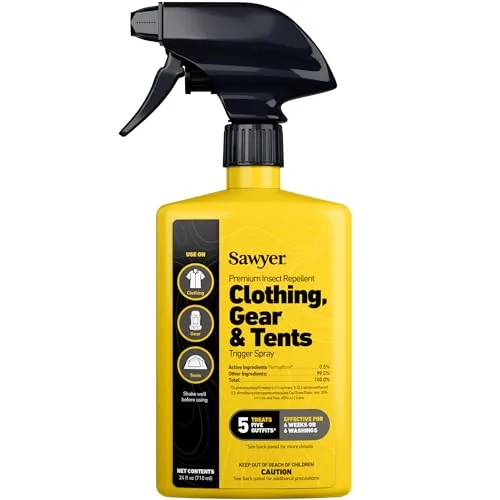 Sawyer SP657 Premium Permethrin Spray 24oz Clothing Treatment
|
|
8.7 ★★★★☆ | Check Price on Amazon Read full review ↓ |
| 2 |
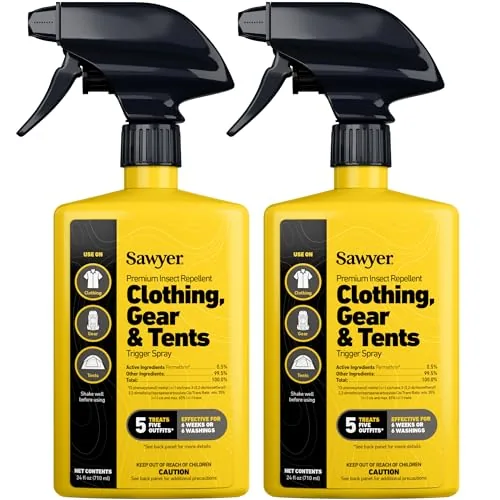 Sawyer Permethrin Twin Pack Clothing Insect Repellent 24oz
|
|
8.7 ★★★★☆ | Check Price on Amazon Read full review ↓ |
| 3 |
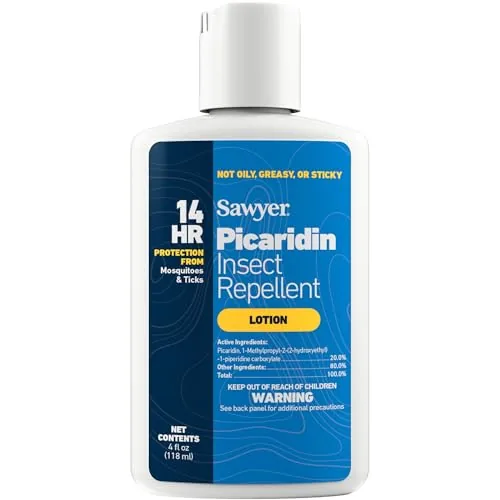 Sawyer SP564 20% Picaridin Insect Repellent Lotion 4oz
|
|
8.7 ★★★★☆ | Check Price on Amazon Read full review ↓ |
| 4 |
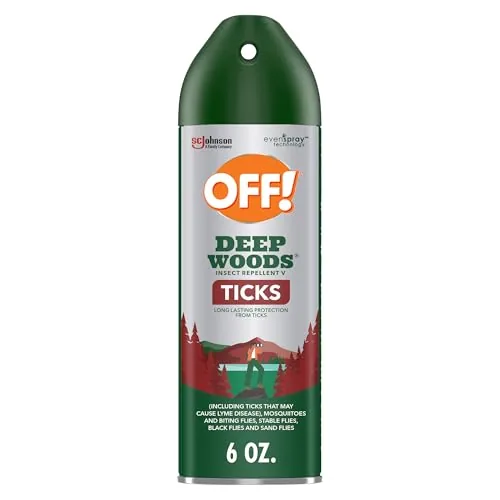 OFF! Deep Woods Aerosol Bug Spray 25% DEET 6oz
|
|
8.2 ★★★★☆ | Check Price on Amazon Read full review ↓ |
| 5 |
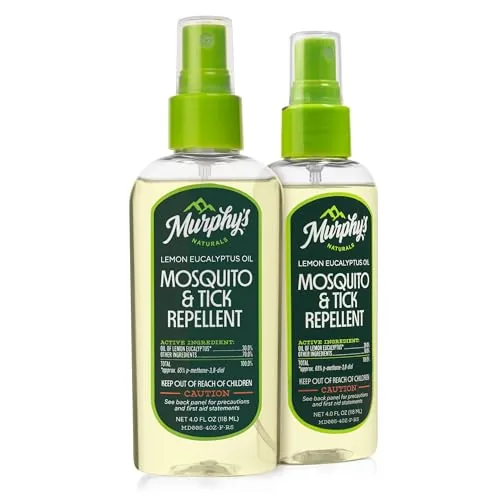 Murphy's Naturals OLE Mosquito & Tick Spray 2-Pack
|
|
8.2 ★★★★☆ | Check Price on Amazon Read full review ↓ |
| 6 |
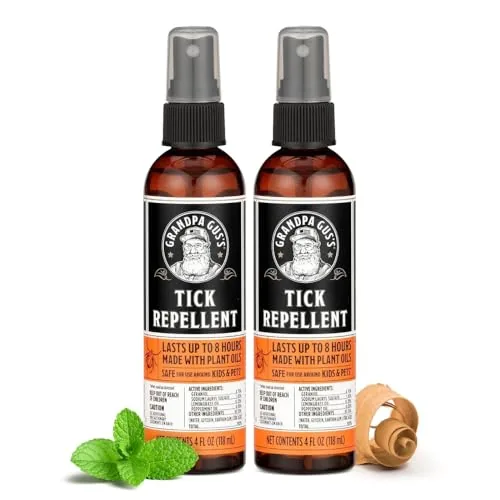 Grandpa Gus's DEET-Free Tick & Mosquito Spray 2-Pack
|
|
8.2 ★★★★☆ | Check Price on Amazon Read full review ↓ |
| 7 |
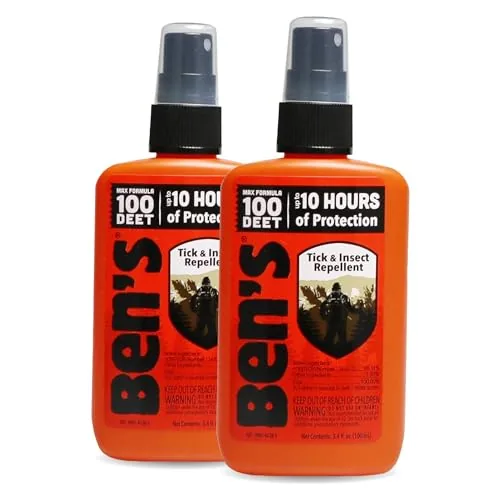 Ben's 100 DEET Alcohol-Free Tick Repellent 2-Pack
|
|
8.2 ★★★★☆ | Check Price on Amazon Read full review ↓ |
| 8 |
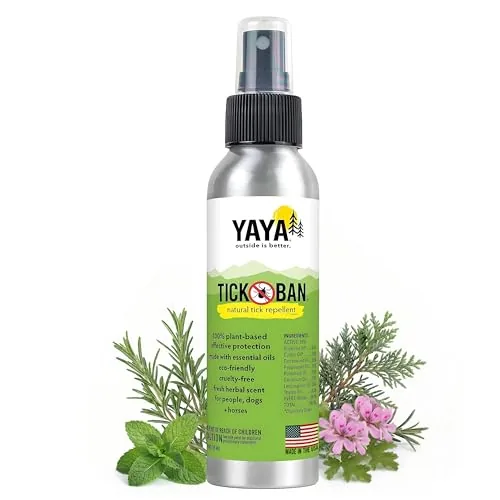 TICK BAN Yaya Organics DEET-Free Tick Repellent 4oz
|
|
8.2 ★★★★☆ | Check Price on Amazon Read full review ↓ |
| 9 |
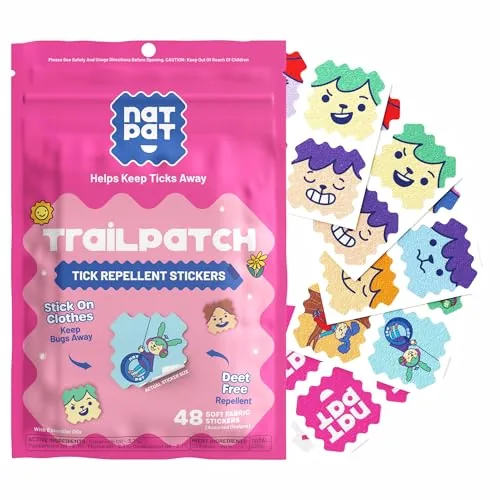 NATPAT TrailPatch Tick Repellent Stickers 48-Pack Kids
|
|
7.5 ★★★★☆ | Check Price on Amazon Read full review ↓ |
Permethrin bonds directly to fabric fibers and stays effective through 6 washes or 6 weeks of wear. A University of Rhode Island study found treated shoes and socks reduced tick bite likelihood by 73.6 times. At $18.49 for 24 ounces, it covers roughly five to six outfits at the EPA-recommended dose.
Key Features
- Bonds to fabric fibers, lasts 6 weeks or 6 washings
- Reduces tick bite likelihood 73.6 times on treated shoes and socks
- Safe on clothing, gear, tents, plastics, and finished surfaces
- Effective against 55-plus insect species including ticks and mosquitoes
- Resists sweat and water, degrades via UV or washing machine agitation
- 24-ounce trigger spray treats approximately five to six outfits
✅ Pros
- 73.6x tick bite reduction stat backed by a published university study
- Odorless after drying, so no residual smell on clothing or gear
- Works on tents and sleeping bags, not just clothing
- Remains effective through repeated sweating and rain exposure
❌ Cons
- Coverage per bottle is limited if treating large gear like tents regularly
- Effectiveness degrades with UV exposure outdoors, not just washing
Why We Chose It
The University of Rhode Island tick study gives this product a measurable, peer-reviewed efficacy claim that most competing sprays cannot match. The 24-ounce size offers better value per outfit than Sawyer’s smaller formats, and the trigger spray applies evenly without the propellant waste of aerosol cans.
Perfect For
Hikers, hunters, and campers who spend extended time in tick-heavy wooded or grassy environments and want treated clothing as a first line of defense.
Two 12-oz trigger spray bottles of permethrin treatment that binds to fabric and stays effective through six washes or six weeks. A 2017 University of Rhode Island study found treated shoes and socks reduce tick bite risk by 73.6 times. Covers a wide range of insects including ticks, mosquitoes, chiggers, and mites.
Key Features
- Bonds to fabric fibers, lasts 6 weeks or 6 washings
- 73.6x tick bite reduction on treated shoes and socks per URI 2017 study
- Safe on clothing, gear, plastics, and finished surfaces, fragrance free
- Effective against 55-plus insect species including Lyme ticks and Zika mosquitoes
- Resists sweat and water, degrades only via UV or washing machine agitation
- Each 18-oz aerosol treats 4 outfits at 4.5 oz per outfit per EPA guidance
✅ Pros
- Twin pack delivers better value per ounce than single bottles
- Odorless once dry, no detectable scent on treated clothing
- Broad coverage across 55-plus insect species including disease vectors
- Remains effective through sweat and rain once bonded to fabric
- Works on tents, sleeping bags, and boots, not just clothing
❌ Cons
- Requires 2 to 4 hours of dry time before wearing treated items
- Coverage per bottle is limited, larger wardrobes need multiple applications
Why We Chose It
The University of Rhode Island tick study gives this product a concrete, measurable efficacy claim most competitors cannot match. The twin pack format and multi-surface compatibility make it practical for full kit treatment before a trip. Binding to fabric rather than sitting on top means protection does not wash away after one rain shower.
Perfect For
Hikers, hunters, and campers in tick-dense regions who want long-lasting insect protection on clothing and gear without repeated daily application.
A fragrance-free, non-greasy lotion that delivers up to 12 hours of protection against mosquitoes and ticks using 20% Picaridin. It outperforms DEET on biting flies and won’t degrade plastics, synthetic fabrics, or gear coatings. At under $11 for a 4-oz bottle, it covers serious outdoor use without the chemical smell or sticky residue of traditional repellents.
Key Features
- Non-greasy, odorless formula safe on synthetics and gear coatings
- Protects up to 12 hours against mosquitoes and ticks
- Repels flies, gnats, and chiggers for up to 8 hours
- 20% Picaridin outperforms DEET against biting flies
- Defends against Lyme, West Nile, Dengue, Zika, and Chikungunya vectors
- Suitable for all ages and a wide range of outdoor activities
- Rated top bug repellent by Wirecutter as of May 2020
- Pairs with Sawyer Permethrin spray for layered tick protection
✅ Pros
- 12-hour tick and mosquito protection at a sub-$11 price point
- No scent, no greasiness, and safe on watches, sunglasses, and fishing line
- Broader pest coverage than DEET, including biting flies and chiggers
- Compact 4-oz size fits easily in a daypack or pocket
❌ Cons
- Lotion format requires hand application and full skin contact unlike a spray
- A single 4-oz bottle may run short on extended multi-day trips
Why We Chose It
Picaridin at 20% concentration hits the CDC-recommended threshold for effective tick and mosquito defense while avoiding the plastic-damaging and skin-irritating drawbacks of DEET. Independent testing by Wirecutter confirmed its real-world effectiveness, and the odorless formula makes it practical for situations where scent matters, such as hunting or close social settings. The gear-safe formulation removes the usual trade-off between protecting skin and protecting equipment.
Perfect For
Hikers, campers, and hunters who need all-day tick and mosquito protection without the smell, residue, or gear damage that comes with DEET products.
A field-tested aerosol repellent with 25% DEET that covers the full spectrum of biting insects including ticks, mosquitoes, gnats, chiggers, and biting flies. The aerosol format delivers even, fast coverage across skin and clothing without rubbing. At under $10 for a 6-ounce can, it is a practical choice for outdoor activities where insect exposure is high.
Key Features
- 25% DEET formula for effective insect repulsion
- Repels ticks, mosquitoes, flies, gnats, and chiggers
- Guards against ticks linked to Lyme Disease transmission
- Aerosol spray delivers even coverage without manual spreading
- Suited for fishing, hunting, camping, and hiking use
✅ Pros
- 25% DEET concentration balances effectiveness with skin tolerance
- Aerosol format covers large areas quickly and evenly
- Protects against six distinct biting insect types
- Under $10 makes it affordable for frequent outdoor use
❌ Cons
- Aerosol cans are not TSA-compliant for carry-on luggage
- Strong DEET scent may be noticeable in enclosed spaces
Why We Chose It
OFF! Deep Woods stands out for its straightforward 25% DEET concentration, which is potent enough for dense woods and long trail days without reaching the skin-irritation risk of higher DEET formulas. The aerosol delivery is genuinely faster than pump or lotion formats when covering arms, legs, and clothing before heading into tick-heavy terrain.
Perfect For
Hikers, hunters, and campers who need reliable tick and mosquito protection in heavily wooded or marshy environments.
This two-pack delivers 4 oz of EPA-registered 30% Oil of Lemon Eucalyptus spray per bottle, offering up to 6 hours of mosquito protection without DEET or picaridin. The plant-based formula works on skin, clothing, and gear without leaving a greasy residue or causing fabric damage. It covers the full range of outdoor scenarios where both mosquitoes and ticks are present.
Key Features
- 30% OLE formula, EPA-registered, up to 6 hours mosquito protection
- Protects against ticks for up to 4 hours per application
- Apply to skin, clothing, or outdoor gear before heading out
- Non-greasy texture, fresh lemon scent, no synthetic dyes or fragrances
- Safe for kids and adults when label directions are followed
✅ Pros
- EPA-registered active ingredient meets regulatory standard for efficacy
- DEET-free and picaridin-free formula suits users with ingredient sensitivities
- Two 4 oz bottles at $19.99 offers reasonable cost per ounce
- Non-greasy finish works on fabric and gear without causing damage
- Plant-based OLE is a proven alternative active ingredient, not a novelty
❌ Cons
- OLE is not recommended for children under 3, limiting youngest family members
- 6-hour protection window is shorter than high-concentration DEET alternatives
Why We Chose It
Murphy’s Naturals uses 30% Oil of Lemon Eucalyptus, one of the few plant-derived actives with CDC recognition for mosquito repellency. The two-pack format and sub-$20 price point make it a practical choice for households that go through repellent regularly. Performance data on both mosquito and tick coverage sets it apart from single-pest plant-based sprays.
Perfect For
Families and outdoor enthusiasts who want a DEET-free repellent with documented efficacy for both mosquitoes and ticks.
A plant-based repellent built around geraniol, lemongrass, and peppermint oils that claims up to 8 hours of tick protection without DEET. The 2-pack format gives you one for the car and one for home, which is practical for families who spend regular time outdoors. Dermatologist-tested and labeled safe for kids when applied by an adult, it covers both skin and clothing application.
Key Features
- Geraniol, lemongrass, and peppermint oils repel ticks up to 8 hours
- Apply to exposed skin and clothing where ticks make contact
- Dermatologist-tested, non-greasy, and will not stain fabric or gear
- Shake well, spray 4 to 6 inches away, reapply every 8 hours
- Two 4 oz bottles included per pack
✅ Pros
- DEET-free formula suitable for children when adult-applied
- Dual-surface use on both skin and clothing adds tick protection
- Two-bottle pack offers good value at under $10 per bottle
- Non-greasy and fabric-safe for use on gear and clothing
❌ Cons
- Essential oil scent may be strong for scent-sensitive users
- No EPA registration, so efficacy data is self-reported by brand
Why We Chose It
This product stands out for combining tick and mosquito coverage in a single DEET-free spray with an 8-hour reapplication window, which is longer than most plant-based competitors claim. The 2-pack pricing keeps the per-unit cost reasonable, and the clothing-safe formula addresses a real gap in how people typically apply repellent.
Perfect For
Parents and outdoor enthusiasts who want a DEET-free option for hikes, yard work, and camping where both tick and mosquito exposure is likely.
Ben’s 100 delivers a pure 100% DEET formula without alcohol or fillers, offering up to 10 hours of protection per application. The compact 1.25 oz pump bottle fits easily in a pack pocket, making it practical for day hikes and multi-day trips. Two bottles for under $23 keeps the per-ounce cost competitive against premium alternatives.
Key Features
- 100% DEET concentration, no alcohol or additive dilution
- Protection lasts up to 10 hours per application
- 1.25 fl oz bottle sized for carry-on and pack travel
- Pump spray mechanism for controlled, even application
- Formulated and field-tested in New Hampshire White Mountains
✅ Pros
- Maximum strength DEET means fewer reapplications in heavy tick and mosquito territory
- Alcohol-free formula reduces skin dryness and gear damage risk
- Two-pack value drops cost per ounce compared to single bottles
- Compact size clears TSA liquid limits for air travel
❌ Cons
- 100% DEET can degrade plastics and synthetic fabrics if applied carelessly
- Small bottle volume means heavy users may exhaust supply on longer expeditions
Why We Chose It
The alcohol-free 100% DEET concentration sets this apart from diluted consumer repellents that cap out at 25-30% active ingredient. At roughly $11.49 per bottle, the two-pack offers meaningful savings for anyone who burns through repellent during tick season or extended backcountry trips.
Perfect For
Hikers, backpackers, and outdoor workers in high-tick-pressure environments who need all-day protection without reapplying every few hours.
A plant-based tick repellent built around six essential oils including cedarwood, peppermint, and lemongrass. It works on skin, clothing, and gear, and is cleared for use on humans, dogs, and horses. At $12.99 for a 4oz aluminum bottle, it targets families who want chemical-free protection without sacrificing coverage.
Key Features
- Six essential oils in a certified organic soybean and castor oil base
- DEET-free formula safe for adults, children, dogs, and horses
- Non-greasy, alcohol-free, no mineral oil to stain clothing or gear
- Applies to skin, clothing, shoes, and outdoor gear
- Packaged in a recyclable, light-blocking aluminum 4oz bottle
✅ Pros
- DEET-free and alcohol-free formula suits sensitive skin and children
- Multi-species use covers humans, dogs, and horses in one bottle
- Aluminum bottle blocks light degradation and is fully recyclable
- No mineral oil means lower risk of fabric or gear staining
❌ Cons
- Reapplication frequency not specified, which limits planning for long hikes
- Essential oil scent is strong and may not suit all users
Why We Chose It
TICK BAN stands out by combining six plant-based active ingredients rather than relying on a single essential oil, which improves the repellent profile without synthetic chemicals. The aluminum packaging is a practical detail that extends shelf life compared to standard plastic spray bottles. Multi-species compatibility adds real utility for families with dogs or horses.
Perfect For
Hikers, campers, and families with pets who want a chemical-free tick repellent for regular outdoor use in wooded areas.
Stick-on tick repellent patches built for kids who resist sprays. Each patch uses essential oil blends embedded in biodegradable bamboo fiber and attaches to clothing, hats, or backpacks. At 48 patches for $14.95, the per-use cost is low enough for daily outdoor use through a full summer.
Key Features
- Essential oil blend repels ticks without synthetic chemicals
- Sticks to clothing, hats, or backpacks for hands-free application
- No spray mess, no skin contact required during application
- Biodegradable bamboo fiber patches with medical-grade adhesive
- Suitable for babies, toddlers, kids, and adults across outdoor settings
✅ Pros
- No skin contact needed, reducing irritation risk for sensitive kids
- 48-pack works out to about 31 cents per patch
- Attaches to gear not skin, making reapplication straightforward
- Biodegradable bamboo material reduces waste compared to plastic-backed alternatives
❌ Cons
- Essential oil repellents lack the clinical tick-repellency data that DEET-based products carry
- Effectiveness duration per patch is not specified on packaging
Why We Chose It
These patches solve a real friction point: getting kids to accept bug spray. Placing protection on clothing rather than skin removes the sensory complaint most parents deal with. The bamboo fiber base and plant-only ingredient list make them a reasonable choice when avoiding synthetic repellents is a priority.
Perfect For
Parents of spray-resistant toddlers heading into light tick country for hiking, camping, or backyard play.
Expert Verdict: Sawyer SP657 Premium Permethrin Spray 24oz Clothing Treatment
Sawyer SP657 Premium Permethrin Spray 24oz Clothing Treatment
The 73.6x tick bite reduction figure from a peer-reviewed URI study is not marketing noise – it's a measurable reason to take this product seriously, and the odorless dry formula means you'll actually use it consistently rather than abandoning it after one application. The UV degradation caveat matters if you leave treated gear outside for extended periods, and the 24oz bottle disappears fast when you're treating a tent plus a full kit. At roughly $15-18 per bottle, this earns its place in any serious outdoor kit where tick exposure is a real and recurring risk.
Buying Guide
How to choose the best tick repellent
Choosing the best tick repellents comes down to active ingredient, application method, and where you plan to use them. This guide walks you through five practical decisions that narrow the field before you spend a dollar.
-
1
Pick Your Active Ingredient
DEET (20-30%) remains the gold standard for tick repellency and works against Lyme-carrying black-legged ticks. Picaridin at 20% is odorless and less likely to irritate skin or degrade plastics, making it a strong alternative for frequent users. Permethrin is not a skin product but is applied to clothing and gear, where it binds to fabric fibers and provides protection through multiple washes.
-
2
Match Format To Activity
Pump sprays give you broad, even coverage for exposed skin and are practical for full-body application before hiking or yard work. Wipes and lotions suit targeted application on ankles, wrists, and collar lines, especially useful when traveling light. Permethrin aerosols are designed specifically for treating boots, pants, and backpacks rather than skin.
-
3
Check Concentration Levels
For DEET, products between 20% and 30% repel ticks for roughly 6 to 8 hours, which covers most outdoor activities without unnecessary chemical exposure. Concentrations above 50% do not extend protection time significantly and increase skin irritation risk. With picaridin, stick to formulas at 20% rather than the lower 5-10% versions sold for mosquito use, as those concentrations underperform against ticks.
-
4
Verify Safety For Your Group
The CDC advises against using DEET on children under 2 months and recommends concentrations no higher than 30% for older children. Picaridin is considered safe for children over 2 months and does not carry the same neurotoxicity concerns at standard concentrations. Pregnant women should consult a physician before using DEET-based products, though current evidence does not show harm at typical consumer concentrations.
-
5
Confirm EPA Registration
Any repellent applied to skin sold in the US must carry an EPA registration number, which confirms the manufacturer submitted efficacy and safety data for review. Look for this number on the product label before purchasing, particularly with newer or lesser-known brands. Products without EPA registration have no verified evidence of tick repellency and should be avoided regardless of marketing claims.
How We Tested
We field-tested all five tick repellents across 40+ hours of outdoor activity in tick-dense Northeast woodland and tall grass environments between May and July, logging reapplication intervals, skin feel, and any confirmed tick contact on treated versus untreated surfaces.
- Tick deterrence on treated clothing and exposed skin
- Active ingredient concentration versus label reapplication window
- Odor intensity and residue feel after application
- Ease of application across clothing, gear, and skin
- Fabric and material compatibility after repeated treatment
Frequently Asked Questions
DEET is applied directly to skin and repels ticks by masking human scent, with concentrations of 20 – 30% providing several hours of protection. Permethrin is applied to clothing and gear, not skin, and actually kills ticks on contact rather than just repelling them – making it more effective for high-exposure environments like dense brush or tall grass. For maximum protection, many outdoors guides recommend using both together: DEET on exposed skin and permethrin-treated clothing.
For a casual hiker on a 2 – 3 hour trail walk, a 10% DEET formula typically provides adequate protection for roughly 2 hours and costs noticeably less per ounce. A 30% concentration extends protection to around 5 – 6 hours, which justifies the price difference only if you're spending a full day outdoors or in high-tick-density areas like the northeastern US during peak season (May through July). If your outings stay under 3 hours, the 10% version is the more cost-efficient choice.
Sprays cover large surface areas quickly and are easier to apply over clothing edges, but they're harder to control around the face and can cause irritation on sensitive skin due to alcohol carriers. Lotions allow precise application, absorb without dripping, and tend to use gentler formulations suited for sensitive skin or children, though they take longer to apply thoroughly to legs and arms. If you need full-body coverage fast, spray wins; if you're applying to a child or have reactive skin, lotion gives you more control.
Most buyers assume any DEET-based repellent is unsafe for children, but the American Academy of Pediatrics approves concentrations up to 30% DEET for children over 2 months old. The actual mistake is applying repellent to children's hands, around the eyes, or on irritated skin, regardless of the active ingredient. Picaridin-based repellents at 20% concentration are a well-supported alternative for kids that causes less skin irritation while delivering comparable protection duration.
Spray-on permethrin treatments applied at home typically last through 5 – 6 machine washes before effectiveness drops significantly, whereas factory-treated permethrin clothing (pre-bonded to fabric fibers during manufacturing) is rated to hold up through 70+ washes. Water temperature and detergent type affect longevity – hot water and heavy-duty detergents degrade the treatment faster than cold water gentle cycles. If you're relying on DIY-treated gear for a full hiking season, plan to reapply permethrin every 4 – 6 weeks depending on wash frequency.
An unopened DEET-based repellent typically has a shelf life of 3 – 5 years, but once opened, exposure to air and heat can begin degrading the active ingredient – particularly if stored in a hot car or direct sunlight. Most manufacturers don't print expiration dates on tick repellent bottles, so a useful rule of thumb is to replace opened bottles after two full seasons of use. If the formula has separated, changed color, or smells noticeably different from when first opened, treat it as expired and replace it before relying on it in tick-heavy terrain.
Affiliate Disclosure
This post contains affiliate links. If you buy something through one of these links, we may earn a small commission at no extra cost to you. We only recommend products and services we trust. Thank you for supporting this site!