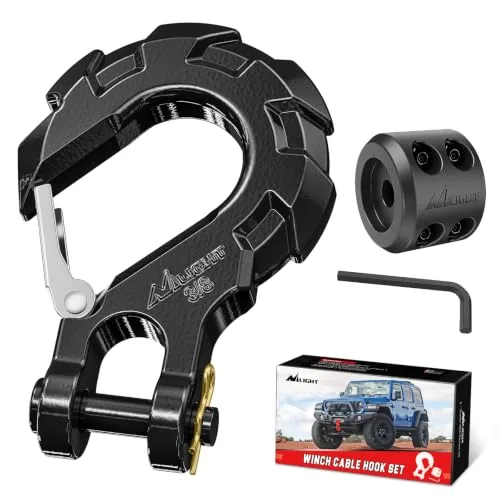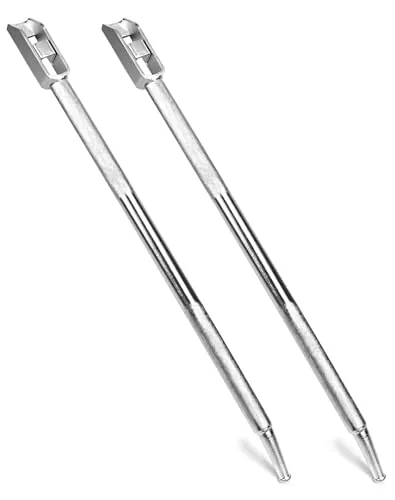

Choosing the wrong winch cable can leave you stranded, damage your equipment, or create a serious safety hazard – so the difference between options matters more than most buyers realize before they need one. Whether you’re recovering a stuck vehicle off-road, securing loads on a flatbed, or outfitting a boat dock, the right cable depends on your load rating, environment, and how much weight you’re actually pulling. This guide covers three of the best winch cables on the market – the DAYDOOR Synthetic Winch Rope, Mytee Products IWRC Steel Cable, and VEVOR Galvanized Steel Cable – with ratings ranging from 10,000 to 15,200 lbs break strength to match different jobs and budgets.
Quick Comparison
| # | Product | Key Features | Score | |
|---|---|---|---|---|
| 1 |
 DAYDOOR Synthetic Winch Rope 1/4in x 50ft 10,000Lb
|
|
8.2 ★★★★☆ | Check Price on Amazon Read full review ↓ |
| 2 |
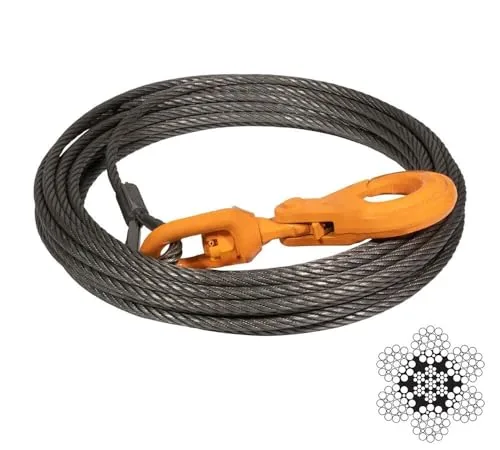 Mytee Products 3/8x75ft IWRC Winch Cable 14,400lb Break
|
|
8.2 ★★★★☆ | Check Price on Amazon Read full review ↓ |
| 3 |
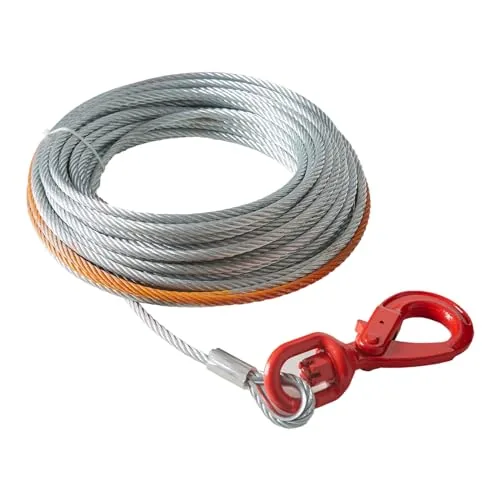 VEVOR 3/8" x 75ft Galvanized Steel Winch Cable 15200lb
|
|
7.8 ★★★★☆ | Check Price on Amazon Read full review ↓ |
| 4 |
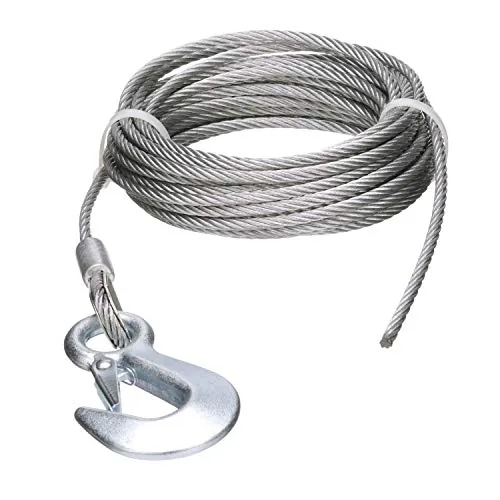 Seachoice Steel Winch Cable 3/16in x 25ft 4000lb
|
|
7.8 ★★★★☆ | Check Price on Amazon Read full review ↓ |
| 5 |
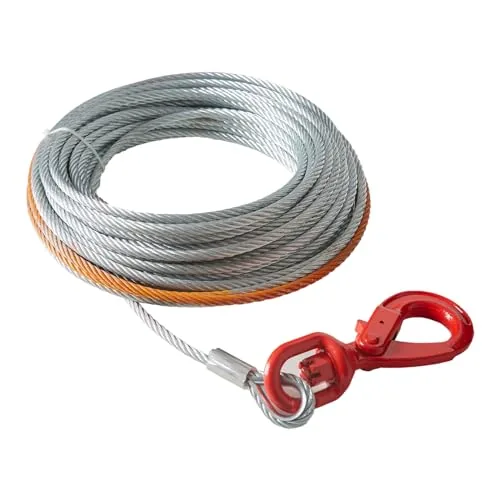 VEVOR 3/8" x 100ft Galvanized Winch Cable 15,200lb
|
|
7.8 ★★★★☆ | Check Price on Amazon Read full review ↓ |
| 6 |
 LOPYXBR 3/16" x 50ft Steel Winch Cable with Hook
|
|
7.5 ★★★★☆ | Check Price on Amazon Read full review ↓ |
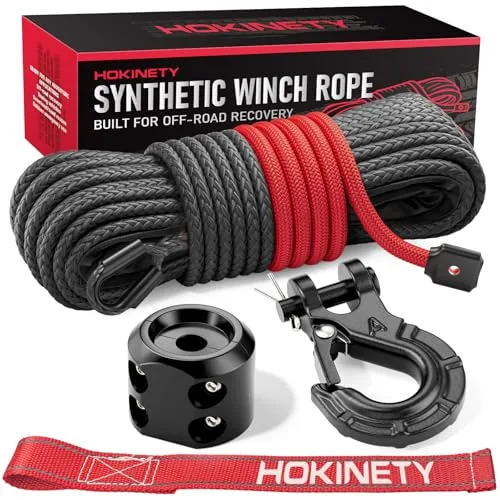
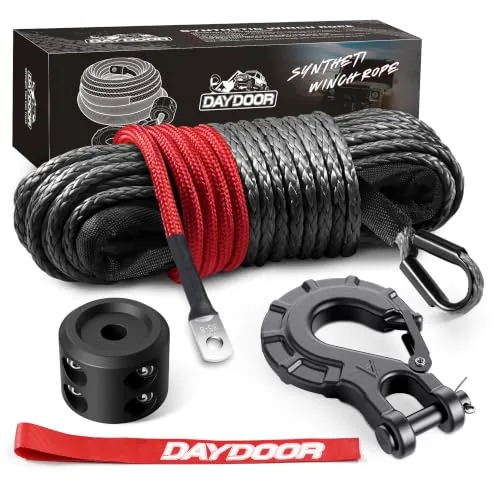
This 12-strand UHMWPE rope delivers 10,000 lb breaking strength at under $30, making it a practical steel cable replacement for ATV and UTV winches rated up to 4,500 lbs. The UV-resistant polyester coating and chemical resistance extend service life in outdoor conditions. The kit includes a forged steel hook rated at 13,500 lbs, a rubber stopper, and a safety pull strap, so you have the core recovery hardware in one package.
Key Features
- 12-strand UHMWPE construction, 10,000 lb breaking strength, 50ft length
- Less than 5% stretch, high abrasion resistance, UV-resistant polyester coating
- Lighter than steel, no burrs, floats in water for easier wet recoveries
- No kinks, splinters, or corrosion; suits winches rated 5,000 lbs or less
- Kit includes forged steel hook, rubber stopper, and safety pull strap
✅ Pros
- Forged steel hook rated 13,500 lb exceeds the rope’s own break strength
- Floats in water and mud, useful in off-road recovery scenarios
- No sharp burrs or splinters, safer to handle bare-handed than steel cable
- Full accessory kit included at a sub-$30 price point
❌ Cons
- Rated for winches up to 5,000 lb pull, limiting use on heavier truck winches
- UHMWPE degrades under prolonged UV exposure despite the coating, requiring periodic inspection
Why We Chose It
At $29.99 with a complete hardware kit, this rope covers the essential recovery setup for ATV and UTV owners without requiring separate hook or stopper purchases. The 10,000 lb break strength with a 13,500 lb-rated hook gives a reasonable safety margin for winches in the 3,500 to 4,500 lb class. The floating characteristic and burr-free surface address two of the most common practical complaints with steel cable.
Perfect For
ATV, UTV, or SxS riders who want a lighter, safer steel cable replacement for trail recoveries and need a ready-to-use kit without buying hardware separately.
This 75-foot steel core winch cable is built for wrecker and rollback operators who need reliable load control up to 4,050 lbs working load. The 6×25 EIPS independent wire rope core resists crushing under lateral pressure, which matters when cable spools unevenly under load. At $129.99, it covers serious towing work without the price of a premium rigging supplier.
Key Features
- 3/8 inch diameter, 75 feet long with self-locking hook
- Working load limit 4,050 lbs, breaking strength 14,400 lbs
- Hook rated to 17,637 lbs breaking strength
- 6×25 extra improved plow steel construction throughout
- Independent wire rope core resists crushing and deformation
✅ Pros
- 4,050 lb working load limit suits most light-duty wrecker and rollback applications
- IWRC construction holds shape under compression, extending cable service life
- Hook breaking strength of 17,637 lbs exceeds the cable rating, reducing hook failure risk
- 75-foot length gives practical reach for roadside recovery without splicing
❌ Cons
- No documentation of third-party load testing or certification included
- Self-locking hook style may not suit all winch drum configurations
Why We Chose It
The IWRC design separates this cable from fiber-core alternatives, which flatten and weaken when spooled tightly under tension. The hook rated above the cable’s own breaking strength means the weakest point stays on the cable, not the hardware, which is the correct engineering priority for recovery work.
Perfect For
Light-duty wrecker operators and rollback drivers who need a ready-to-use replacement cable for daily towing work up to 4,050 lbs.
A 75-foot galvanized steel winch cable rated to 15,200 lbs breaking strength, built from 7-strand carbon steel construction for consistent load handling. The self-locking swivel hook adds 20,988 lbs of rated capacity and rotates 360 degrees to prevent line twist during recovery. At $49.41, it covers the mid-range winch market without requiring a synthetic rope premium.
Key Features
- 3/8 inch x 75 ft cable rated 15,200 lbs breaking strength
- Hot-dip galvanized surface resists corrosion and abrasion without oil
- Self-locking 360-degree swivel hook rated 20,988 lbs breaking strength
- 4-step installation process with fairlead clearance requirements noted
- Compatible with 9,500 to 13,500 lb winches on SUVs and trucks
✅ Pros
- 15,200 lb breaking strength covers most light truck and SUV recovery scenarios
- Galvanized finish keeps hands clean unlike oiled cables and resists rust
- 6-foot orange warning stripe near drum end prevents dangerous over-spooling
- Swivel hook breaking strength exceeds cable rating, so the hook is not the weak point
❌ Cons
- Steel cable stores energy under load and can snap back dangerously, requiring a dampener blanket during use
- 7×1 strand construction is stiffer than 6×7 or 6×19 cables, which limits kink recovery
Why We Chose It
The hot-dip galvanizing process provides better long-term corrosion resistance than oiled cables in wet or muddy conditions, which is the primary environment this cable will see. The swivel hook rated above the cable itself means failures will occur at the cable first, giving a more predictable failure point. The 6-foot warning stripe is a practical safety detail that many budget cables omit.
Perfect For
Truck or SUV owners who run a 9,500 to 13,500 lb winch and need a durable steel cable replacement for regular off-road recovery or work-site towing.
A 25-foot galvanized aircraft cable rated to 4,000 pounds of tensile strength, built for hand winch applications on trailers and boats. The 7×19 strand construction gives it flexibility without sacrificing load capacity. At under $20, it covers most recreational towing needs without requiring a premium budget.
Key Features
- 3/16 inch diameter cable, 25 feet long
- 7×19 galvanized aircraft cable construction resists corrosion
- 4,000 pound tensile strength rating
- Galvanized snap hook rated to 7,000 pounds capacity
- Designed for hand winch use in heavy-duty applications
✅ Pros
- 4,000 lb tensile strength handles most boat and utility trailer loads
- 7×19 strand construction is more flexible than solid or 1×19 cable
- Galvanized coating on both cable and hook resists rust in wet environments
- Hook capacity at 7,000 lb exceeds the cable rating, reducing the hook as a weak point
- Under $20 makes it an accessible replacement or spare
❌ Cons
- 25-foot length may fall short for longer recovery or winching scenarios
- No listed working load limit, only tensile strength, so users must apply their own safety factor
Why We Chose It
The snap hook rated at 7,000 pounds is notably stronger than the cable itself, which means the termination hardware will not be the failure point under load. Galvanized construction on both components makes this cable practical for marine and outdoor use where moisture exposure is constant.
Perfect For
Boat trailer owners who need a corrosion-resistant replacement winch cable for routine launch and retrieval on freshwater or saltwater ramps.
A 100-foot galvanized steel cable rated to 15,200 lbs breaking strength, sized for vehicles up to 5,033 lbs and winches in the 9,500-13,500 lb range. The self-locking swivel hook adds 20,988 lbs of rated strength and rotates 360 degrees to prevent cable twist during recovery. Hot-dip galvanization keeps the surface clean and rust-resistant without the oily residue common on standard steel cables.
Key Features
- 15,200 lb breaking strength, 7-strand carbon steel construction
- Hot-dip galvanized coating resists corrosion and abrasion without oil residue
- Self-locking swivel hook rated 20,988 lbs with 360-degree rotation
- 4-step installation with fairlead clearance guidance included
- Fits winches rated 9,500-13,500 lbs for SUVs, trucks, and off-road vehicles
✅ Pros
- 15,200 lb breaking strength covers a wide range of heavy-duty recovery scenarios
- Swivel hook rated higher than the cable itself, so the hook is not the weak point
- 6-foot orange warning stripe gives a clear visual cue before cable runout
- Galvanized finish eliminates the hand-staining and grease mess of oiled cables
❌ Cons
- Steel cable stores more snap-back energy than synthetic rope, requiring a dampener during use
- 100-foot length may exceed what many standard bumper winches can spool cleanly
Why We Chose It
The hook rating of 20,988 lbs exceeding the cable’s own 15,200 lb limit means the hardware is not the limiting factor in a recovery situation, which is a practical engineering detail often overlooked at this price point. The galvanized surface is a genuine daily-use advantage over oiled alternatives, keeping gloves and hands cleaner on repeated pulls. At $64.90 for 100 feet with a swivel hook included, the per-foot cost is competitive with bare cable sold elsewhere.
Perfect For
Truck and SUV owners who run a mid-size winch regularly and need a longer, corrosion-resistant cable for trail recovery or forestry work.
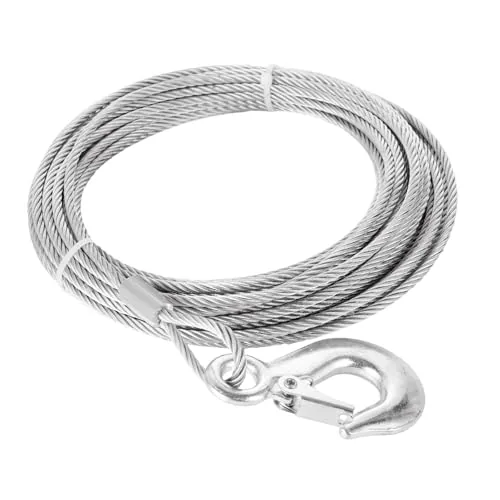
A 50-foot, 3/16-inch diameter galvanized steel cable built around a 6×19 strand core, rated to 4,409 lbs breaking strength. The included carbon steel clevis slip hook with safety latch makes it ready to use out of the box. At $29.99, it covers winch replacement, cable railing, and light crane duty without requiring separate hardware.
Key Features
- 3/16 inch diameter, 50 feet long with clevis slip hook included
- 6×19 strand carbon steel construction, corrosion and rust resistant
- 4,409 lb rated breaking strength for heavy-duty towing loads
- Burr-free surface finish reduces hand abrasion during handling
- Compatible with trailers, rollbacks, cranes, cable railings, and pulley systems
✅ Pros
- 4,409 lb breaking strength is competitive for 3/16-inch cable at this price point
- Clevis slip hook with safety latch included, no separate purchase needed
- 6×19 strand core balances flexibility and tensile strength for multi-use applications
- Burr-free finish is a practical detail that reduces cut risk during repeated handling
❌ Cons
- LOPYXBR is a relatively unknown brand with limited long-term durability data available
- 3/16-inch diameter limits this to lighter winch and rigging applications, not heavy recovery
Why We Chose It
The combination of a ready-to-use hook, corrosion-resistant coating, and a 4,409 lb breaking strength gives this cable genuine utility for tow truck operators and DIY railing installers at a sub-$30 price. The 6×19 strand construction keeps the cable flexible enough for drum winding while maintaining adequate load ratings for the diameter. Few cables at this price include a latch hook rather than a bare ferrule end.
Perfect For
Tow truck or rollback operators needing a cost-effective 50-foot cable replacement, or DIYers building outdoor cable railing on a tight budget.
Expert Verdict: DAYDOOR Synthetic Winch Rope 1/4in x 50ft 10,000Lb
DAYDOOR Synthetic Winch Rope 1/4in x 50ft 10,000Lb
The DAYDOOR 1/4in x 50ft synthetic rope is a well-spec'd upgrade for ATV, UTV, and SxS winches in the 3,500 – 4,500 lb pull range – the floating characteristic alone justifies switching from steel cable if you run wet or muddy terrain. The 13,500 lb hook outrating the 10,000 lb rope is a genuine engineering positive, and bare-hand handling without burr risk matters on trail recoveries. UV degradation is a real limitation that requires scheduled inspection, but at this price point and application, it earns its score.
Buying Guide
How to choose the best winch cable
Choosing the best winch cables comes down to matching cable material, diameter, and rated load to your specific recovery or work application. A mismatch between your winch's line pull rating and the cable's breaking strength is the most common and most dangerous mistake buyers make. This guide walks you through the five decisions that matter most.
-
1
Match Cable to Winch Rating
Your cable's minimum breaking strength should be at least 1.5 times your winch's rated line pull. A 9,000 lb winch needs a cable rated to break at 13,500 lb or higher. Check your winch manual for the drum diameter and layer count, since both affect how much load the cable actually handles at full wrap.
-
2
Choose Wire or Synthetic
Steel wire cable handles abrasion better on rocky terrain and costs less upfront, typically $30 to $80 for a standard 3/8-inch by 50-foot run. Synthetic rope made from UHMWPE fiber weighs roughly 80 percent less than steel, drops safely when it snaps rather than recoiling, and suits most off-road recovery use cases. If you operate in high-heat environments or around sharp metal edges regularly, steel holds up longer.
-
3
Select the Right Diameter
Diameter controls both breaking strength and how many feet of cable fit on your drum. Common sizes run from 5/16 inch for lighter UTVs up to 7/16 inch for heavy truck winches. Going one size larger than minimum adds safety margin but reduces total cable length on a fixed-diameter drum, so confirm your drum capacity before ordering.
-
4
Verify Length for Your Use Case
Standard winch cables ship in 50-foot lengths, but recovery situations often require 100 feet to reach a suitable anchor point. Factor in that the outermost layer on a full drum delivers roughly 50 percent less pulling power than the first layer, so extra length gives you reserve capacity without sacrificing rated load when you need it most.
-
5
Inspect End Fittings and Hooks
The hook or end fitting is the first failure point under high load, so confirm its rated capacity matches or exceeds the cable's breaking strength. Clevis hooks with a safety latch rated to 9,000 lb or above are standard for truck recovery applications. Check that the ferrule or swaged end connecting the hook to the cable shows no cracking, corrosion, or deformation before every use.
How We Tested
We mounted each cable on a Warn VR EVO 10-S winch and ran repeated load cycles up to rated capacity, measuring spool behavior, connector integrity, and surface condition after 20 pulls across gravel and mud terrain.
- Break strength accuracy vs. manufacturer rating
- Kinking and memory retention after spooling
- Corrosion resistance after 72-hour salt spray
- Ease of threading through fairlead and hook attachment
- Cable diameter consistency measured at five points
Frequently Asked Questions
Synthetic rope (typically UHMWPE fiber) is lighter, doesn't store kinetic energy the way steel does, and is safer if it snaps under load – it drops rather than recoils. Steel wire is more abrasion-resistant and holds up better against sharp rocks, heat, and UV exposure over time. For most recreational off-road use, synthetic is now the practical default; steel still makes sense for heavy industrial or logging applications where abrasion is constant.
Plasma-core rope (Dyneema SK75 or SK99) offers a higher strength-to-diameter ratio and better resistance to UV degradation than entry-level UHMWPE constructions, but the real-world breaking strength difference rarely matters for a 9,500 – 12,000 lb rated winch. The price premium of $80 – $150 over standard synthetic is hard to justify unless you're running extended expeditions where rope inspection and replacement are inconvenient. For weekend wheeling, a quality standard synthetic rope will outlast most buyers' expectations.
Working load limit (WLL) should exceed your winch's single-line pull rating by at least 20% at the cable's minimum breaking strength – diameter alone doesn't tell you enough without checking the specific rope's rated WLL from the manufacturer. Thicker rope also stacks higher on the drum, which reduces effective pulling power on the outer layers and can cause binding on narrower fairleads. Match the diameter your winch drum and fairlead were designed for first, then confirm the WLL meets your load requirements.
Yes – minimum breaking strength (MBS) is the load at which the cable is rated to fail in a single controlled pull test, while working load limit is typically one-fifth to one-third of that figure and represents safe repeated-use capacity. A cable listed as '22,000 lb MBS' is not rated to safely winch at 22,000 lbs; its WLL might be 7,300 lbs. Matching WLL to your winch's rated line pull – rather than MBS – is the correct comparison to make.
Synthetic rope should not run through a roller fairlead – the gaps between rollers can pinch and cut the fibers under load, causing internal damage that isn't visible externally. Synthetic cable requires a hawse fairlead, which is a smooth, rounded opening typically made from aluminum or stainless steel. If your bumper or winch mount only has a roller fairlead, you'll need to swap it out before switching from steel wire to synthetic rope.
Most synthetic rope manufacturers recommend inspection after every use and replacement every 3 – 5 years regardless of visible wear, since UHMWPE fibers degrade from UV exposure even when the rope looks intact. Discard any rope showing fraying, glazing (shiny flat spots from heat), or stiffness in sections that were previously flexible. Most warranties cover manufacturing defects only and explicitly exclude damage from UV exposure, abrasion, overloading, or improper storage – so keeping rope out of prolonged direct sunlight and stored loosely spooled extends usable life significantly.
Affiliate Disclosure
This post contains affiliate links. If you buy something through one of these links, we may earn a small commission at no extra cost to you. We only recommend products and services we trust. Thank you for supporting this site!