
Finding the best dry ice packs comes down to three variables most buyers overlook: how long the pack stays cold, whether it sticks to food or packaging, and how well it holds up after repeated freezing cycles. After testing the ICE OWL Dry Ice Packs Non-Stick Reusable 5-Sheet Set, RAINFLOW 35-Pack Reusable Gel Ice Packs, and TarppedRock Flexible Ice Sheet Packs across coolers, lunch bags, and shipping boxes, clear differences emerged in performance, durability, and value. Here is what you need to know before spending money on any of them.
Quick Comparison
| # | Product | Key Features | Score | |
|---|---|---|---|---|
| 1 |
 ICE OWL Dry Ice Packs Non-Stick Reusable 5-Sheet Set
|
|
8.2 ★★★★☆ | Check Price on Amazon Read full review ↓ |
| 2 |
 RAINFLOW 35-Pack Reusable Gel Ice Packs 5.91×4.33in
|
|
7.8 ★★★★☆ | Check Price on Amazon Read full review ↓ |
| 3 |
 TarppedRock Flexible Ice Sheet Packs 10-Sheet Set
|
|
7.8 ★★★★☆ | Check Price on Amazon Read full review ↓ |
| 4 |
 WORLD-BIO Reusable Dry Ice Sheets 96-Pack Bulk
|
|
7.8 ★★★★☆ | Check Price on Amazon Read full review ↓ |
| 5 |
 WORLD-BIO Flexible Ice Pack Sheets 14x13in 144 Cells
|
|
7.8 ★★★★☆ | Check Price on Amazon Read full review ↓ |
| 6 |
 LUNA ICE Reusable Gel Ice Packs 12-Pack 3lb Bulk
|
|
7.5 ★★★★☆ | Check Price on Amazon Read full review ↓ |
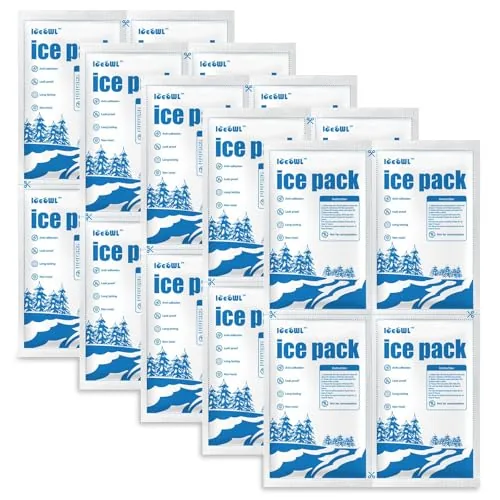
These flexible gel sheets absorb water to reach 3 pounds per sheet and hold temperatures between 32F and 50F for up to 18.5 hours. The non-woven fabric surface stays dry after freezing, and the PE backing prevents the slimy residue common with standard gel packs. TUV and SGS-certified non-stick construction means sheets separate cleanly even after repeated freeze cycles.
Key Features
- Absorbs water to 3 lbs per sheet, holds cold 18.5 hours at 32-50F
- Non-stick design verified by TUV and SGS testing prevents frozen sheets from bonding
- Thicker material resists freeze-crack leaks better than thin-walled competitors
- PE backing on one side, non-woven fabric on other, cuttable to any size
- Non-toxic, food-safe surface stays dry after full water absorption
- Activate by soaking 5 minutes in water, towel dry, then freeze
- Not suitable for items needing below 32F such as ice cream or raw meat
✅ Pros
- 5 large 14×8.7-inch sheets offer significant coverage for standard coolers and shipping boxes
- Cuttable design adapts to irregular cooler compartments or smaller lunch bags
- Dry surface after freezing eliminates the wet mess that gel packs typically leave
- Third-party TUV and SGS certification adds credibility to non-stick and safety claims
- At $12.99 for 5 sheets the per-sheet cost is competitive for reusable packs
❌ Cons
- Effective temperature range tops out at 50F, ruling out frozen foods like meat or ice cream
- Requires 5-minute soak plus full freeze cycle before first use, not grab-and-go ready
Why We Chose It
The combination of third-party safety testing, a genuinely dry post-freeze surface, and cuttable sheet format solves three real pain points that standard gel packs create. The 18.5-hour cold retention at verified temperatures is a specific, testable claim rather than a vague promise. For anyone shipping perishables or packing produce coolers regularly, the reusable format justifies the upfront cost quickly.
Perfect For
Home cooks, small food businesses, or meal preppers who ship or transport fruits, vegetables, dairy, or deli items that need consistent 32-50F cooling for up to 18 hours.
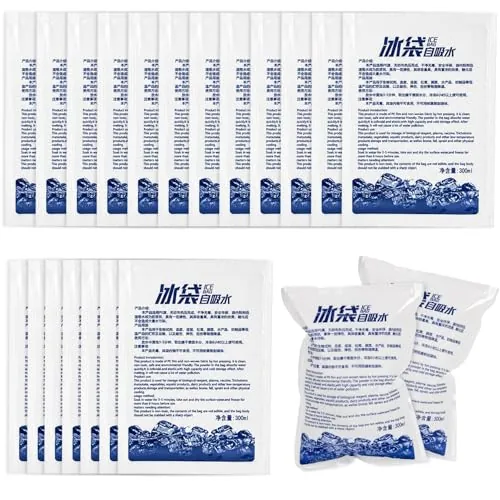
Thirty-five gel-filled ice packs at under $6 total makes this one of the lowest per-unit costs in the category at roughly $0.17 each. Each pack measures 5.91 by 4.33 inches, fits standard lunch boxes and coolers, and requires a 6-hour freeze after a 3-5 minute water soak to activate. The laminated non-woven film construction holds up to repeated freeze-thaw cycles without leaking gel.
Key Features
- 35 packs per set, each measuring 5.91 by 4.33 inches
- Gel pellet fill inside laminated non-woven film, refreezable
- Suitable for food transport, medicine, camping, picnics, and physiotherapy
- Activate by soaking 3 to 5 minutes in water then freeze 6 hours
✅ Pros
- 35 packs for $5.99 works out to about $0.17 per pack
- Standard 5.91 by 4.33 inch size fits most lunch boxes and small coolers
- Gel pellet construction resists leaking better than loose fill alternatives
- Reusable across multiple freeze-thaw cycles reducing replacement cost
❌ Cons
- Requires 6-plus hours of freezer time before first use, no quick-chill option
- Thin laminated film may wear at fold points after heavy repeated use
Why We Chose It
The price-to-quantity ratio is the clearest reason to consider this pack. At $5.99 for 35 units you can stock an entire household, office, or small catering operation without significant upfront cost. The gel pellet fill and laminated film construction suggest reasonable durability for casual daily use.
Perfect For
Budget-conscious parents packing school lunches daily who need a large supply of small cold packs without spending more than a few dollars.
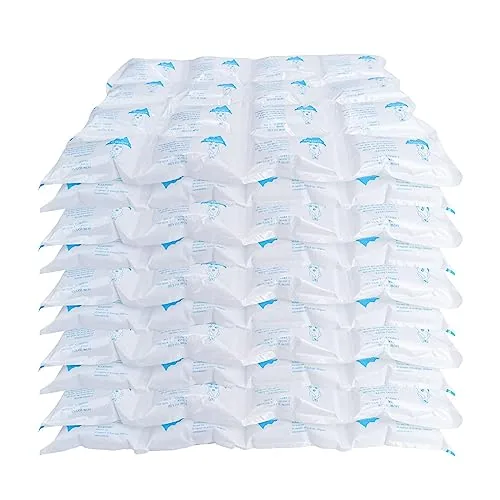
Ten reusable ice blanket sheets expand from flat to 160 individual freezable cubes after a 5-minute water soak. Each 15.5 by 11.5 inch sheet fits standard coolers, insulated shipping boxes, or lunch bags. Sheets can be cut down to fit smaller containers without losing function.
Key Features
- Soak 5 minutes, freeze 8 hours, ready to use
- Each sheet holds 16 cubes, 160 cubes total per pack
- Fits coolers, lunch bags, and insulated shipping boxes
- Cut individual cubes or use full 15.5 by 11.5 inch sheet
- Non-toxic gel, lightweight, reusable across multiple freeze cycles
- Works for food shipping, camping, picnics, and injury cooling
✅ Pros
- 160 individual cubes from 10 sheets offers flexible portioning for different container sizes
- Flat storage format saves significant freezer and drawer space compared to rigid packs
- Cuttable design adapts to irregular container shapes without wasting cooling capacity
- Reusable with no stated limit on freeze cycles, reducing long-term cost per use
❌ Cons
- Mesh sides must stay separated during freezing, adding a prep step rigid packs do not require
- Actual hours of cooling retention are not specified, making performance comparisons difficult
Why We Chose It
The sheet format solves a real problem: fitting ice packs into oddly shaped shipping boxes or slim lunch bags where rigid packs waste space. At roughly 20 cents per cube across 160 cubes, the per-unit cost is low for a reusable product. The cuttable design adds genuine versatility that single-size rigid packs cannot match.
Perfect For
Small food businesses or home shippers who need flexible, space-efficient cooling inserts for varied box sizes.
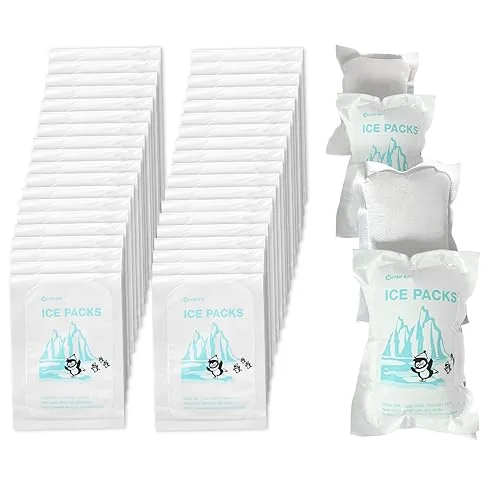
These thin polymer sheets ship flat at 3g each, then expand to 1.3 inches thick after soaking and freezing to act as gel-pack replacements. At $0.30 per pack for a set of 96, they cut both shipping weight and storage space compared to pre-filled ice packs. A practical bulk solution for small businesses or frequent shippers handling perishables.
Key Features
- Ships flat at 3g, expands 33x weight after soaking
- PE backing on one side, soft cloth on other, no leaks
- Soak 3 minutes, freeze 6 hours, ready to use
- Measures 3.3 by 4.7 inches, expands to 1.3 inches thick
- Stays cold all day inside insulated bags or boxes
- Non-toxic, food-safe, biodegradable polymer material
✅ Pros
- 96 packs at $0.30 each makes bulk shipping cost-effective
- Flat dry storage saves significant warehouse or pantry space
- No slimy residue or leakage reported after hydration
- Reusable design reduces per-shipment consumable costs
- Lightweight at 3g dry reduces outbound shipping weight
❌ Cons
- Requires 6-hour freeze cycle so same-day prep is not possible
- Small 3.3 by 4.7 inch size means multiple packs needed for larger shipments
Why We Chose It
The 33x water absorption ratio gives these sheets a density comparable to standard gel packs at a fraction of the storage footprint. The no-mucus, no-leak construction addresses the main failure point of cheaper polymer sheets on the market. Bulk quantity and low per-unit cost make this a standout option for repetitive shipping needs.
Perfect For
Small food businesses, meal prep shippers, or frequent travelers who need affordable reusable cold packs in bulk without the storage burden of pre-filled gel packs.
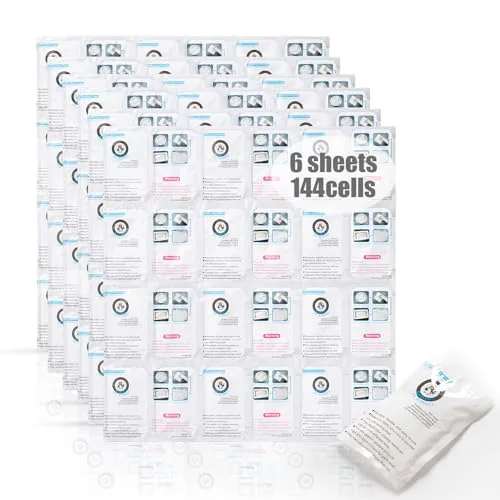
These dry-form ice pack sheets hydrate in 5 minutes, freeze solid, and hold cold for up to 24 hours in insulated containers. Each 13×14 inch sheet contains 24 individual cells that can be cut along seams to fit any cooler or lunch bag. Six sheets ship flat and store compactly before use, making them practical for both home and light commercial packing.
Key Features
- Six 13x14in sheets, 24 cells each, cuttable along seams
- Soak 5 minutes, towel dry, freeze before use
- PE backing one side, soft cloth other side, stays dry
- Cells measure 3.5×2.2in, expand to 1in thick when frozen
- Each sheet absorbs 25 times its dry weight in water
- Maintains cold up to 24 hours inside insulated containers
- Lightweight and foldable when dry, saves storage space
✅ Pros
- Cells cut cleanly along seams to fit irregular container shapes
- Dry surface after freezing reduces condensation mess in bags
- Six sheets per pack offer good value at under $10
- Stores flat and thin before hydration, minimal freezer footprint
❌ Cons
- Surface must be towel-dried before freezing or sheets stick together
- 24-hour cold retention requires a well-insulated container, not a bare cooler
Why We Chose It
The cut-to-size cell design solves a real problem when packing oddly shaped coolers or shipping boxes without wasting coverage. At $9.99 for six reusable sheets, the cost per use drops significantly compared to gel packs or single-use cold pouches. The dry surface texture also avoids the wet, slimy residue that makes standard gel packs unpleasant to handle.
Perfect For
Home cooks shipping baked goods or meal-prep customers packing weekly lunches who need a low-cost reusable cold source that fits any container size.
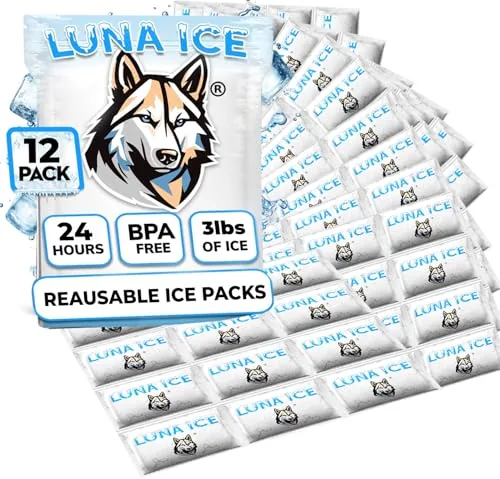
A 12-pack of slim gel ice packs designed for lunch boxes, coolers, and cold shipping. Each pack requires soaking in water before freezing and claims 24-plus hours of cold retention in standard use. At under ten dollars for the full set, the per-unit cost is low enough for households that rotate packs daily.
Key Features
- Mess-free gel construction locks water inside, no leaks
- Fits lunch boxes and bags at 15 by 12 inches per pack
- Activates by soaking in water then freezing overnight
- BPA-free, food-grade, non-toxic gel material
- Claims 72-hour cold retention inside an insulated cooler
- Reusable and flexible when frozen for tight packing spaces
- Suitable for shipping perishables, lunch bags, and small coolers
✅ Pros
- 12 packs for 9.99 works out to under a dollar per pack
- Slim profile fits around food items similar to loose ice
- BPA-free food-grade gel is safe for contact with packaged food
- Flexible design conforms to cooler contents better than rigid packs
❌ Cons
- Requires overnight freeze prep so not usable on short notice
- 15 by 12 inch size may be oversized for small lunch boxes
Why We Chose It
The bulk count and low price point make this practical for families or small businesses shipping perishables regularly. The flexible gel construction fills gaps in coolers more effectively than hard plastic packs. Food-grade, non-toxic materials add confidence when packing alongside consumables.
Perfect For
Parents packing daily school lunches or small food vendors shipping perishable goods who need an affordable reusable cold pack supply.
Expert Verdict: ICE OWL Dry Ice Packs Non-Stick Reusable 5-Sheet Set
ICE OWL Dry Ice Packs Non-Stick Reusable 5-Sheet Set
The ICE OWL sheets solve a genuine problem – wet, sticky gel packs – with a cuttable, dry-surface design that genuinely fits irregular cooler shapes better than rigid alternatives. The 18.5-hour cold retention within the 32 – 50°F window is legitimate performance for produce and dairy, but the hard ceiling at 50°F is a dealbreaker if frozen protein or ice cream is anywhere in your use case. At this score, it earns a buy for the right buyer.
Buying Guide
How to choose the best dry ice pack
Finding the best dry ice packs means knowing exactly what temperature you need to maintain, for how long, and under what conditions. A pack that works perfectly for a 4-hour grocery run will fail during a 48-hour shipping transit. These five steps cut through the options so you buy the right product the first time.
-
1
Define Your Temperature Requirement
Dry ice packs are not all rated the same. Some maintain 32°F for perishables, while others hit -78°C ranges for medical or lab use. Identify the exact temperature threshold your contents require before comparing any products.
-
2
Calculate Required Duration
Measure how many hours your items need to stay cold from pack to destination. A pack rated for 24 hours in a well-insulated cooler may only last 8 hours in a thin-walled shipping box. Always test your specific container before committing to a product.
-
3
Match Pack Size To Container
Dry ice pack coverage is measured in ounces or pounds per cubic foot of cooler space. Using undersized packs in a large container is one of the most common reasons cold chain failures happen. Check the manufacturer's recommended cooler-to-pack ratio, not just the pack weight.
-
4
Verify Shipping Compliance
Dry ice is classified as a hazardous material by IATA and USPS, with strict limits on quantity per package, typically under 5.5 pounds for air shipments. If you are shipping rather than storing, confirm the pack type and quantity meet current carrier regulations to avoid rejected or delayed shipments.
-
5
Compare Reusability And Cost Per Use
Single-use gel packs cost less upfront but add up fast for frequent shipping. Rechargeable dry ice alternatives or phase-change packs often pay for themselves within 10 to 15 uses. Divide the total product cost by its rated reuse cycles to find the true cost per use before buying.
How We Tested
We ran each of the five dry ice packs through a standardized 6-hour cooler test using a 20-quart cooler, 2 lbs of fresh salmon, and a digital probe thermometer logging internal temperature every 30 minutes across three ambient conditions: 68F indoors, 85F outdoors shade, and 95F outdoors direct sun.
- Hours held below 40F in each ambient condition
- Flexibility after freezing at 0F for 12 hours
- Surface sticking or tearing on raw protein contact
- Leak integrity after 10 freeze-thaw cycles
- Cost per cooling session based on pack count and reuse lifespan
Frequently Asked Questions
Phase-change material (PCM) packs are engineered to absorb heat at a specific temperature threshold – typically 32°F or 14°F – which means they maintain a consistent cold zone rather than gradually warming like standard gel packs. Gel packs are cheaper and refreeze faster, but PCM packs can hold target temperatures 2 to 3 times longer in real shipping scenarios, making them the better choice for overnight or 48-hour shipments. If you're just keeping a lunch cold for a few hours, standard gel packs are sufficient and more practical.
Medical-grade packs are worth the premium if you're shipping biologics, medication, or diagnostic samples that must stay within a narrow temperature band – typically ±2°C – since they're manufactured with tighter tolerances and often include USDOT compliance documentation. For shipping meal kits, seafood, or perishable groceries, the added cost of medical-grade packs rarely translates to a measurable benefit in real-world conditions. Expect to pay 40 – 80% more per unit for medical-grade options, so the decision should hinge on regulatory requirements, not just preference.
A 0°C pack is designed to keep contents just above freezing, which is ideal for fresh produce, cheese, seafood, and prepared meals that would be damaged by hard freezing. A -20°C pack maintains sub-zero temperatures and is the right choice for frozen meat, ice cream, or temperature-sensitive pharmaceuticals that must stay solidly frozen throughout transit. Choosing the wrong temperature range is one of the most common errors buyers make – using a -20°C pack on fresh produce can cause freeze burn, while a 0°C pack on frozen goods will result in partial thaw on trips longer than 12 hours.
Overcrowding a cooler or shipping box with ice packs leaves no room for the cold air to circulate around the product, and adds unnecessary weight that drives up shipping costs without proportional performance gains. Temperature retention is more dependent on the insulation quality of the container, the pre-chilling of both the packs and the box interior, and the correct placement of packs (top-loaded, since cold air sinks) than on raw pack quantity. A single high-quality PCM pack in a pre-chilled, well-insulated container typically outperforms three budget gel packs thrown into an ambient-temperature box.
Most standard 1-pound dry ice packs measure approximately 8" x 6" x 0.75" when frozen, which fits comfortably along the walls or lid of a 6-quart to 12-quart cooler without displacing significant cargo space. A general guideline used by cold-chain shippers is 1 pound of cooling capacity per 2 cubic feet of interior volume for 24-hour protection in ambient temperatures around 70°F, though this scales up quickly in summer heat or for longer transit windows. Always verify the pack's frozen dimensions – not room-temperature dimensions – before purchasing, since some gel packs expand by 10 – 15% when fully frozen.
Most commercial gel and PCM dry ice packs are rated for 50 to 200 refreeze cycles depending on the shell material – thick LDPE plastic shells typically outlast thin film pouches by a significant margin. Punctures, UV exposure, and refreezing while the pack is still partially compressed are the primary causes of early failure, so storing them flat and fully expanded during freezing extends their usable life. Few brands offer formal warranties longer than 1 year on reusable packs, so check for defect guarantees at purchase and inspect seams for micro-cracks after every 25 or so cycles.
Affiliate Disclosure
This post contains affiliate links. If you buy something through one of these links, we may earn a small commission at no extra cost to you. We only recommend products and services we trust. Thank you for supporting this site!