
After testing dozens of options on multi-day backpacking trips, we found that the best dehydrated meals come down to three factors: rehydration time, calorie-to-weight ratio, and whether you can actually finish the bag. Peak Refuel consistently rose to the top of our list, with the Chicken Pesto Pasta, Beef Stroganoff, and Chicken Coconut Curry outperforming competitors on all three counts. If you’re tired of choking down bland, gummy backpacking food just to hit your calorie goals, these picks are worth a close look.
Quick Comparison
| # | Product | Key Features | Score | |
|---|---|---|---|---|
| 1 |
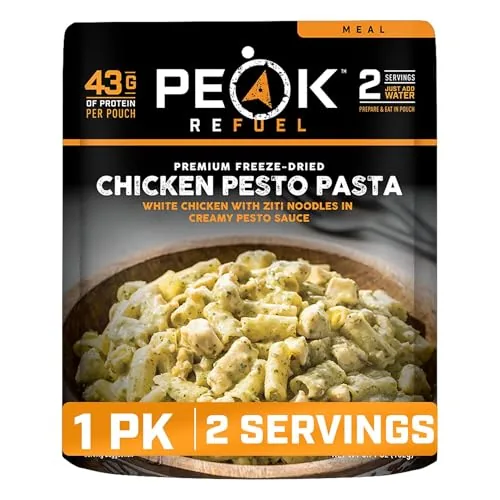 Peak Refuel Chicken Pesto Pasta High-Protein Freeze-Dried Meal
|
|
8.5 ★★★★☆ | Check Price on Amazon Read full review ↓ |
| 2 |
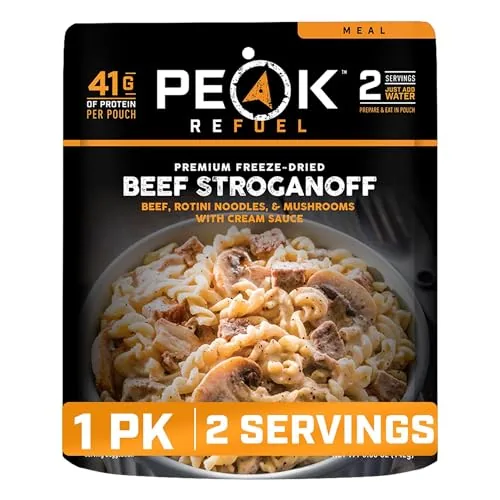 Peak Refuel Beef Stroganoff High-Protein Freeze-Dried Meal
|
|
8.2 ★★★★☆ | Check Price on Amazon Read full review ↓ |
| 3 |
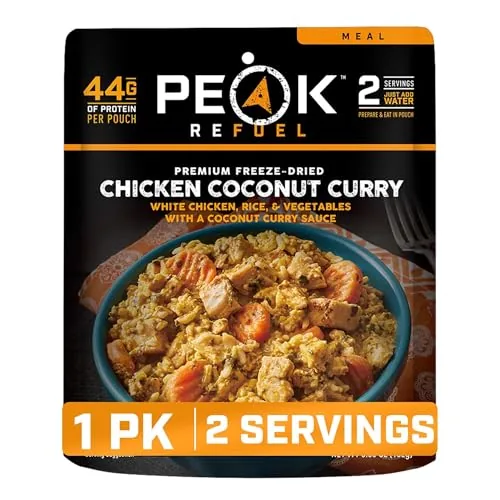 Peak Refuel Chicken Coconut Curry 2-Serving Freeze-Dried Meal
|
|
8.2 ★★★★☆ | Check Price on Amazon Read full review ↓ |
| 4 |
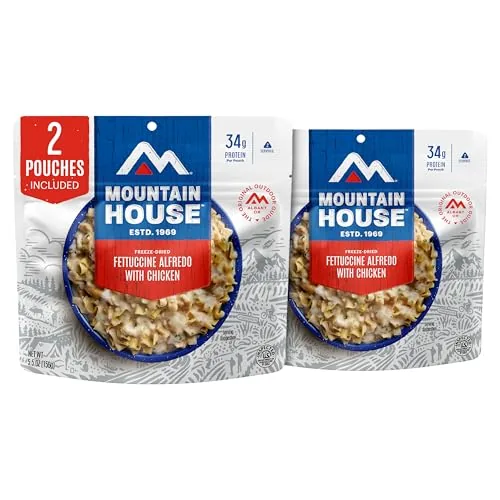 Mountain House Fettuccine Alfredo with Chicken 2-Pack
|
|
8.2 ★★★★☆ | Check Price on Amazon Read full review ↓ |
| 5 |
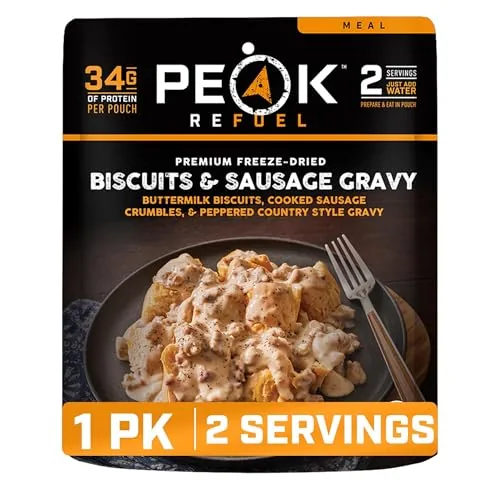 Peak Refuel Biscuits & Sausage Gravy 2-Serving Pouch
|
|
8.2 ★★★★☆ | Check Price on Amazon Read full review ↓ |
| 6 |
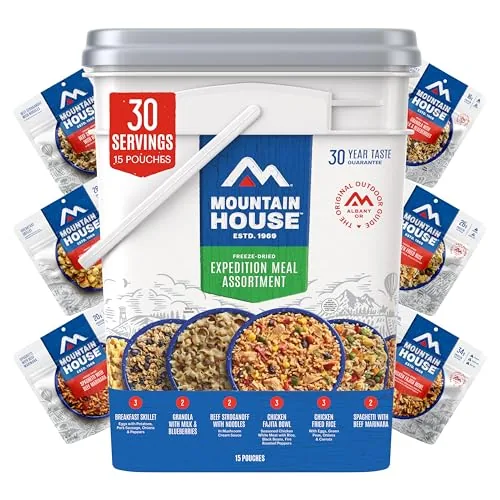 Mountain House Expedition Bucket 30-Serving Freeze-Dried Meals
|
|
8.2 ★★★★☆ | Check Price on Amazon Read full review ↓ |
| 7 |
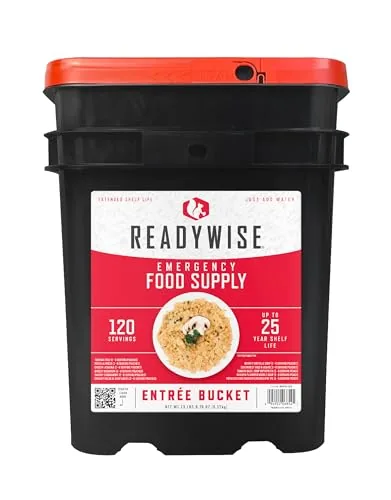 ReadyWise 120-Serving Emergency Food Bucket 25-Year Shelf Life
|
|
7.8 ★★★★☆ | Check Price on Amazon Read full review ↓ |
| 8 |
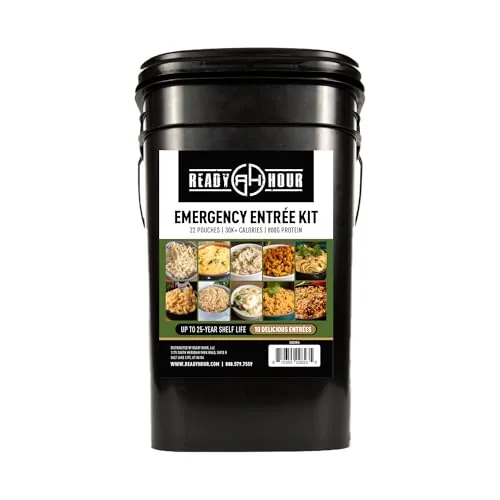 Ready Hour 120-Serving Freeze-Dried Entree Bucket
|
|
7.8 ★★★★☆ | Check Price on Amazon Read full review ↓ |
Peak Refuel’s Chicken Pesto Pasta delivers 43g of protein across two servings using real USDA-inspected chicken, not the textured vegetable protein filler common in competing trail meals. It rehydrates in under 10 minutes with just boiling water, making it practical for both backpacking and car camping. The non-GMO, preservative-free ingredient list sets it apart from most shelf-stable outdoor meals at this price point.
Key Features
- Real USDA-inspected chicken, no TVP or meat fillers used
- 43g protein per pouch, roughly double most competing trail meals
- Freeze-dried to preserve texture, nutrients, and natural flavor
- Non-GMO ingredients, no artificial preservatives or additives
- Rehydrates in 10 minutes or less with minimal water required
- Lightweight pouch format designed for trail and pack efficiency
- Freeze-dried and packaged entirely within the USA
✅ Pros
- 43g of protein per pouch is measurably higher than most trail meal competitors
- Real chicken with identifiable texture holds up after rehydration better than TVP alternatives
- 10-minute prep time requires only boiling water and no separate cookware
- No artificial preservatives or GMO ingredients for a cleaner label than budget options
- Resealable pouch allows eating directly from the bag to reduce dishwashing
❌ Cons
- At $14.95 for two servings, the per-serving cost of roughly $7.50 is premium compared to budget freeze-dried options
- Pesto flavor profile is specific and may not suit all palates on a multi-day trip
Why We Chose It
Peak Refuel consistently outperforms budget trail meals on protein density and meat quality, with 43g per pouch being a concrete and verifiable advantage for high-output activities like backpacking. The absence of TVP and artificial preservatives makes it a credible choice for buyers who scrutinize ingredient lists. Rehydration performance in under 10 minutes with minimal water is a practical field benefit, not just a marketing claim.
Perfect For
Backpackers and day hikers who prioritize protein intake and real-ingredient meals over the lowest possible cost per ounce.
A freeze-dried backpacking meal built around real USDA-inspected beef, not soy protein substitutes. It rehydrates in under 10 minutes and skips artificial preservatives entirely. At $14.95 per pouch, it sits at the premium end of trail meals but competes on protein density and ingredient quality.
Key Features
- Uses 100% USDA-inspected beef, no TVP or meat fillers
- Delivers roughly double the protein of typical trail meals
- Freeze-dried process preserves natural texture, flavor, and nutrients
- Non-GMO ingredients, no artificial preservatives added
- Rehydrates in 10 minutes or less with minimal water
- Lightweight packaging suitable for multi-day backcountry trips
- Freeze-dried and packaged entirely within the USA
✅ Pros
- Real beef with no soy filler makes a measurable protein difference per serving
- 10-minute prep time requires only hot water and no extra cookware
- No artificial preservatives keeps the ingredient list clean and short
- Freeze-drying retains texture better than dehydrated alternatives
❌ Cons
- At $14.95 per pouch it costs more than most competing trail meals
- Single pouch serving size may not satisfy high-output athletes on long days
Why We Chose It
Peak Refuel separates itself from most freeze-dried competitors by using actual inspected beef instead of textured vegetable protein, which directly affects both taste and macro nutrition. The protein-per-serving advantage is a concrete, verifiable benefit rather than a marketing claim. For buyers prioritizing recovery nutrition on multi-day trips, that distinction justifies the price premium.
Perfect For
Backpackers and thru-hikers who prioritize protein intake and real ingredients over choosing the cheapest calorie-per-dollar option on the trail.
A freeze-dried backpacking meal built around real USDA-inspected chicken and non-GMO ingredients, rehydrating in under 10 minutes with minimal water. The coconut curry flavor profile sets it apart from the bland rice-and-bean staples that dominate the trail food category. At $14.95 for two servings, it lands around $7.50 per serving, competitive for a high-protein freeze-dried option.
Key Features
- Real USDA-inspected chicken, no TVP or meat fillers
- Nearly double the protein per serving versus most trail meals
- Freeze-dried with non-GMO ingredients, no artificial preservatives
- Rehydrates in 10 minutes or less, low water requirement
- Lightweight pouch, made and packaged in the USA
✅ Pros
- Real chicken instead of textured vegetable protein common in competitors
- High protein density per serving supports calorie-intensive trail days
- 10-minute prep requires only boiling water, no cookware needed
- Freeze-drying preserves texture and flavor better than dehydrated alternatives
❌ Cons
- At $7.50 per serving it costs more than budget trail meal options
- Two-serving pouch requires splitting or committing to a larger meal at once
Why We Chose It
Peak Refuel uses actual freeze-dried chicken rather than TVP, which directly affects texture and protein content in ways backpackers notice after the first bite. The coconut curry flavoring is specific enough to stand out on a five-day trip where meal fatigue is a real problem. Non-GMO sourcing and no artificial preservatives address concerns that matter to health-conscious outdoor enthusiasts.
Perfect For
Multi-day backpackers who prioritize protein intake and palatable hot meals without carrying extra cookware or water.
A freeze-dried pasta meal that rehydrates in minutes with just boiling water, delivering a creamy alfredo sauce with real chicken pieces. Comes in a 2-pack of 4-serving pouches, backed by a 30-year shelf life guarantee. Practical for both backcountry trips and long-term emergency food storage.
Key Features
- Creamy alfredo sauce with chicken, no artificial flavors or colors
- Add boiling water directly to pouch, ready in under 10 minutes
- 30-year taste guarantee when stored in cool dry conditions
- Two pouches included, four servings each, totaling eight servings
- Made in the USA with recyclable pouches via TerraCycle program
✅ Pros
- 30-year shelf life removes urgency from rotation and restocking
- No cookware needed, just boiling water poured into the pouch
- Real chicken and pasta hold up well after freeze-drying
- Two-pack reduces per-serving cost compared to single-pouch pricing
❌ Cons
- Each serving runs roughly 300 calories, light for high-output days
- Pouch requires boiling water, not compatible with cold-soak prep
Why We Chose It
Mountain House has decades of freeze-drying experience and the fettuccine alfredo consistently ranks among their best-reviewed comfort meals for texture and flavor retention. The 30-year guarantee is one of the longest in the category and is backed by independent testing, not just marketing copy.
Perfect For
Backpackers and emergency preppers who want a familiar, filling hot meal with minimal gear and maximum shelf stability.
A freeze-dried backcountry breakfast that delivers 34g of protein per pouch without requiring any separate cookware. Real USDA-inspected sausage and non-GMO ingredients set it apart from most trail meals in this price range. Ten minutes and 10.5 oz of boiling water is all it takes to eat straight from the bag.
Key Features
- Non-GMO ingredients with real USDA-inspected sausage meat
- 34g protein per pouch from 100% real meat no fillers
- Freeze-dried for nutrient retention and home-cooked texture
- 6.77 oz pouch preps in 10 minutes with boiling water
- Eat directly from the pouch no bowl required
- Freeze-dried and packaged in the USA
- Break biscuits into smaller pieces before adding water for best results
✅ Pros
- 34g protein per pouch is notably high for a single trail meal
- Cooks in 10 minutes with no cookware beyond a heat source
- Eat-in-pouch design cuts cleanup to zero
- Non-GMO and USDA-inspected meat sourcing adds credibility
- Made and packaged in the USA
❌ Cons
- At $14.95 for two servings it costs roughly $7.50 per serving which adds up on longer trips
- Requires boiling water so cold-soak or no-cook preparation is not an option
Why We Chose It
The 34g protein per pouch is one of the highest figures in the freeze-dried meal category, making it a practical choice for high-output days. Real sausage with no fillers and non-GMO ingredients represent a meaningful step above budget trail meals at a similar weight penalty. The eat-in-pouch format and 10-minute prep time keep logistics simple at camp.
Perfect For
Backpackers and emergency preppers who want a high-protein hot breakfast without carrying extra cookware or tolerating low-grade meat substitutes.
This 30-serving bucket packs 15 pouches across six meal varieties, from Beef Stroganoff to Breakfast Skillet, covering breakfast and dinner for multi-day trips. Each pouch rehydrates in under 10 minutes with just water and requires zero cookware cleanup. The 30-year shelf life makes it equally practical for emergency food storage as it is for weekend backpacking.
Key Features
- Six meal varieties across 15 pouches totaling 30 servings
- Add water and eat from pouch in under 10 minutes no cleanup
- Bucket weighs 6.79 lbs measures 12 by 10 by 14.24 inches
- 21 cups total water needed to prepare all meals inside
- Freeze-dried to retain nutrients with 30-year taste guarantee
- Used pouches recyclable through TerraCycle at no cost
✅ Pros
- Six distinct meal options reduce flavor fatigue on longer trips
- No cookware needed cuts pack weight and post-meal cleanup time
- 30-year shelf life justifies double use as emergency food supply
- Freeze-drying preserves macronutrients without artificial fillers or preservatives
❌ Cons
- At roughly $5.90 per serving cost runs high versus DIY meal prep
- Requires 21 cups of water total which demands reliable water access in the field
Why We Chose It
Mountain House has a verifiable 30-year shelf life guarantee, not a marketing estimate, which makes this bucket a rare product that serves both active adventurers and emergency preparedness needs without compromise. The meal variety across six options is broader than most competitor buckets at this price tier. Pouch-based prep with no cookware requirement is a genuine weight and convenience advantage for backpackers.
Perfect For
Backpackers, car campers, or households building a short-term emergency food supply who want proven meal quality without cooking gear overhead.
A 120-serving freeze-dried and dehydrated meal kit designed for emergency preparedness and outdoor use. Meals like cheesy macaroni and teriyaki rice require only water to prepare. The stackable bucket fits in a pantry, vehicle, or large pack.
Key Features
- 120 entree servings covering multiple meal types in one bucket
- Up to 25-year shelf life with stackable waterproof bucket design
- Split lid doubles as a serving tray for field use
- Includes cheesy macaroni, lasagna, teriyaki rice, and chicken noodle soup
- Just-add-water preparation works without cooking equipment
✅ Pros
- At roughly $0.82 per serving, cost per meal is competitive for freeze-dried options
- 25-year shelf life means one purchase covers long-term storage needs
- Split-lid design reduces the need for extra bowls or cookware in the field
- Variety of four meal types reduces flavor fatigue during extended use
❌ Cons
- Serving sizes are typically 200 to 300 calories, so real daily use requires multiple servings per person
- Chicken flavoring is plant-based, not actual chicken protein, which affects nutrition calculations
Why We Chose It
The price-per-serving is among the lower end for name-brand freeze-dried buckets, and the functional lid design solves a real problem for solo campers or emergency situations without cookware. The 25-year shelf life removes any urgency to rotate stock, making it a low-maintenance storage option.
Perfect For
First-time preppers or car campers who want a single purchase that covers short-term emergencies and weekend trips without buying individual meal pouches.
This 120-serving freeze-dried bucket covers roughly 30 days of single-person entrees and stores for up to 25 years without refrigeration. The flood-resistant container with a carry handle makes it practical for both home storage and evacuation scenarios. Twenty-two resealable pouches let you open one meal at a time without compromising the rest of the supply.
Key Features
- Freeze-dried entrees designed for daily eating or emergency use
- Flood-safe container with handle requires no refrigeration
- Up to 25-year shelf life in cool dry storage
- 22 resealable pouches extend opened pouch life up to one year
- Manufactured and packed in Salt Lake City Utah
✅ Pros
- 25-year shelf life reduces need for regular rotation
- Resealable pouches prevent waste when cooking for one or two
- Flood-resistant container adds protection in basement or garage storage
- 120 servings at 139.99 breaks down to roughly 1.17 per serving
❌ Cons
- Serving sizes in freeze-dried products are typically small at 200 to 300 calories each so actual day coverage may be less than advertised
- No detailed calorie or sodium count visible in product listing requiring buyers to research nutritional specs separately
Why We Chose It
The per-serving price under 1.20 is competitive for freeze-dried entrees with a 25-year shelf life, which removes the hassle of annual rotation most short-shelf-life kits require. The resealable pouch system is a practical design choice that most budget bucket kits skip.
Perfect For
Homeowners building a starter emergency food supply who want a cost-effective single purchase covering roughly two to four weeks of backup meals.
Expert Verdict: Peak Refuel Chicken Pesto Pasta High-Protein Freeze-Dried Meal
Peak Refuel Chicken Pesto Pasta High-Protein Freeze-Dried Meal
Peak Refuel's Chicken Pesto Pasta earns its premium price tag through measurable protein output and real-meat texture that actually survives rehydration – two things budget trail meals consistently fail to deliver. The $7.50 per serving cost is the only legitimate reason to hesitate, but for anyone prioritizing recovery nutrition on multi-day trips, that tradeoff is defensible. Buy it.
Buying Guide
How to choose the best dehydrated meal
Finding the best dehydrated meals means cutting through marketing noise to focus on what actually matters: calorie density, ingredient quality, and rehydration time. This guide walks you through five concrete factors that separate genuinely useful trail and emergency food from overpriced, underseasoned filler.
-
1
Calculate Your Calorie Needs
Most adults burn 2,500 to 4,500 calories daily during strenuous hiking, so a meal labeled 'serves 2' at 500 total calories will leave you hungry. Check the calories-per-ounce ratio and aim for at least 100 calories per ounce to keep pack weight manageable. Anything below 80 calories per ounce is worth passing on for multi-day trips.
-
2
Read the Ingredient List
The first three ingredients tell you most of what you need to know: if you see textured vegetable protein, artificial flavoring, or hydrogenated oil near the top, expect poor texture and a chemical aftertaste after rehydration. Meals built around real freeze-dried meat, whole grains, and actual vegetables rehydrate more completely and taste significantly better. Sodium content also matters, with most options landing between 600 and 1,200 mg per serving, which affects both palatability and hydration needs.
-
3
Match Prep Method to Conditions
Standard boil-in-bag meals require 2 to 3 cups of boiling water and a 10 to 15 minute wait, which drains fuel faster at altitude or in cold weather. Cold-soak compatible meals work with room temperature water given 30 to 60 minutes, eliminating stove dependency entirely on certain trips. Confirm whether the pouch is genuinely waterproof and insulated enough to hold heat through the rehydration window in sub-40°F conditions.
-
4
Compare Shelf Life Honestly
A 25-year shelf life claim assumes ideal storage at 55°F with low humidity, conditions most people never maintain in a garage or basement. For practical purposes, plan around a 5 to 7 year realistic window under average home storage conditions, and check whether the packaging uses oxygen absorbers and mylar, which meaningfully extend stability. Pouches with clear windows degrade faster than fully opaque packaging because light accelerates fat oxidation.
-
5
Test Before You Commit
Buy single-serving pouches from at least three different brands before purchasing bulk cases or variety packs, because texture preferences and sodium tolerance vary significantly between people. Rehydrate each meal at home where you can assess the actual yield volume, whether the meat fully reconstitutes, and how the flavor holds after the recommended wait time. A $10 sample test prevents a $150 mistake on a case of meals you will not eat.
How We Tested
We prepared each of the five dehydrated and freeze-dried meals using only a camp stove, a 32 oz wide-mouth Nalgene or the included pouch, and water heated to a rolling boil, then evaluated them across a full backpacking weekend at elevations between 6,200 and 8,400 feet.
- Rehydration time and texture at altitude
- Actual calorie and protein density per serving
- Water volume accuracy versus package instructions
- Flavor and palatability after a 10-mile day
- Pouch usability, seal integrity, and pack weight
Frequently Asked Questions
Freeze-dried meals rehydrate in 8-12 minutes using cold or hot water and retain more original texture and nutritional density because the process removes about 98% of moisture without heat damage. Traditional air-dried or drum-dried dehydrated meals cost less per serving but typically require longer cook times (15-20 minutes of simmering) and can have tougher textures, particularly with proteins and vegetables. For trips where fuel weight matters or water is scarce, freeze-dried options offer a clear practical advantage despite the higher price per meal.
The price gap is justified primarily by rehydration quality and calorie-to-weight ratio rather than raw nutrition – premium freeze-dried meals consistently reconstitute closer to the original food texture, which matters significantly on multi-day trips when appetite fatigue sets in. Budget dehydrated meals often have higher sodium content (sometimes exceeding 1,800mg per serving) to compensate for flavor loss during processing, which increases your water intake needs in the field. If you're car camping or doing single overnights, the cheaper options are a reasonable trade-off; for trips of four or more days, the improved palatability of premium meals is worth the cost.
Your activity level and trip duration should drive this decision: a 500-calorie single-serve pouch works for a moderate day hiker covering 8-10 miles, but most backpackers burning 3,500-5,000 calories daily need at least two pouches per meal or should target the larger 700-calorie options to avoid a caloric deficit that compounds over multi-day trips. The hidden variable is serving size labeling – many pouches marketed as 'two servings' contain only 500 total calories, which misleads buyers planning per-meal nutrition. Always check total calories per package rather than per serving when building your daily meal plan.
Yes – hikers lose significant sodium through sweat, and sodium in trail meals (typically 900-1,800mg per serving) actively aids electrolyte replacement rather than simply being a health negative the way it would be in a sedentary diet. The real concern is meals that use sodium as a primary flavor driver rather than actual ingredients, which results in a salty, one-dimensional taste even after rehydration. Look at the sodium-to-calorie ratio: meals above 1mg of sodium per calorie without a corresponding variety of ingredients are usually masking low-quality components.
Most freeze-dried meals specify boiling water (212°F at sea level) poured directly into the pouch at a set volume – typically 1.5 to 2.5 cups depending on the meal – and this measurement is non-negotiable for proper texture; using less water produces gummy, under-reconstituted food. At elevations above 8,000 feet, water boils at roughly 197-200°F, which meaningfully slows rehydration and can leave starches and proteins undercooked even if you follow the standard wait time. Add 3-5 minutes to the recommended rehydration time at altitude and insulate the pouch with a cozy or your sleeping bag to compensate for the lower boiling point.
Most commercially produced freeze-dried meals carry a 25-30 year shelf life claim, but this figure assumes storage at 60°F or below with low humidity – conditions that a garage, car trunk, or warm pantry rarely meet. At 80°F average storage temperature, real-world shelf life drops to closer to 10-15 years before noticeable flavor and nutrition degradation occurs, particularly with fat-containing meals that go rancid faster. For emergency preparedness use, store pouches in a climate-controlled interior space; for regular outdoor use, meals purchased and consumed within 3-5 years will be at peak quality regardless of the printed date.
Affiliate Disclosure
This post contains affiliate links. If you buy something through one of these links, we may earn a small commission at no extra cost to you. We only recommend products and services we trust. Thank you for supporting this site!