
Finding the best backpacking water filters comes down to three factors most buyers overlook: flow rate under real trail conditions, filter lifespan measured in actual gallons, and how well the system integrates with your existing gear. After testing filters across multi-day routes with varying water sources, three Sawyer models consistently outperformed the competition – the Mini SP128, the SP129 Squeeze, and the Squeeze paired with the Cnoc 2L TPU Bladder. Each one targets a different type of backpacker, so the right choice depends on your pack weight priorities, group size, and how much water you typically move per day.
Quick Comparison
| # | Product | Key Features | Score | |
|---|---|---|---|---|
| 1 |
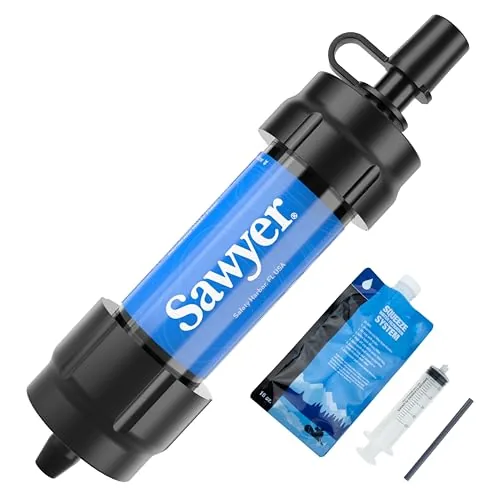 Sawyer Mini SP128 0.1 Micron Portable Water Filter
|
|
8.7 ★★★★☆ | Check Price on Amazon Read full review ↓ |
| 2 |
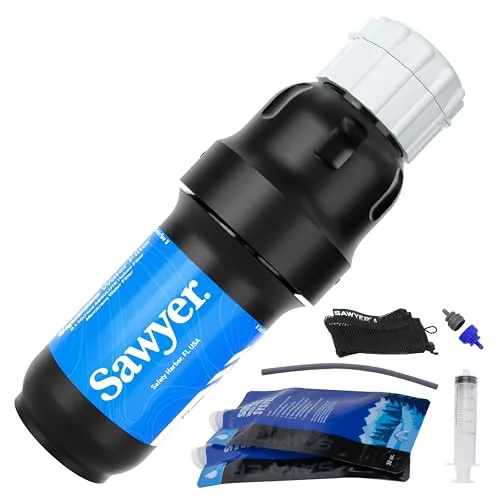 Sawyer SP129 Squeeze Filter with Pouches and Straw
|
|
8.7 ★★★★☆ | Check Price on Amazon Read full review ↓ |
| 3 |
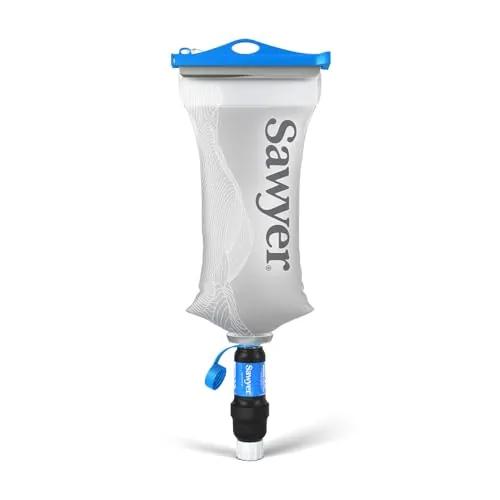 Sawyer Squeeze + Cnoc 2L TPU Bladder Filter System
|
|
8.5 ★★★★☆ | Check Price on Amazon Read full review ↓ |
| 4 |
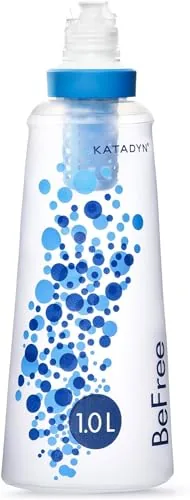
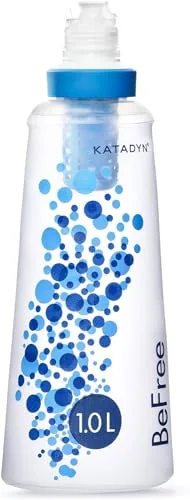 Katadyn BeFree 1.0L Collapsible Filter Bottle
|
|
8.5 ★★★★☆ | Check Price on Amazon Read full review ↓ |
| 5 |
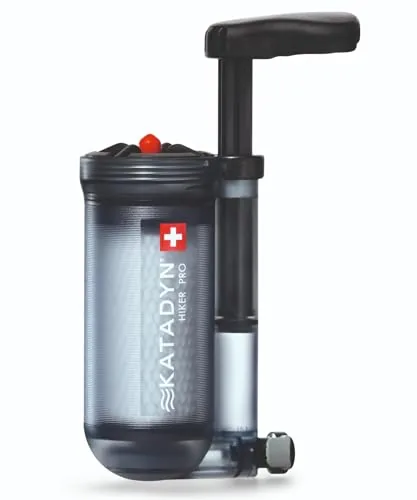 Katadyn Hiker Pro Hand Pump Filter 0.2-Micron
|
|
8.5 ★★★★☆ | Check Price on Amazon Read full review ↓ |
| 6 |
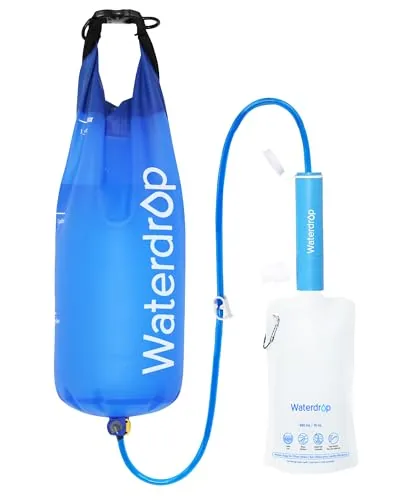 Waterdrop Gravity Filter Straw with 1.5 Gal Bag
|
|
8.2 ★★★★☆ | Check Price on Amazon Read full review ↓ |
The Sawyer Mini delivers serious filtration performance in a 2-ounce package that fits in a shirt pocket. It removes bacteria, protozoa, and microplastics through a 0.1 micron hollow fiber membrane rated for 100,000 gallons. At under $30, it covers everything from weekend hikes to emergency kits.
Key Features
- 0.1 micron absolute filter weighs 2 oz, fits in palm
- Removes 99.99999% of bacteria including E. coli and Cholera
- Removes 99.9999% of protozoa including Giardia and Cryptosporidium
- Removes 100% of microplastics from filtered water
- Rated for up to 100,000 gallons of use
- Attaches to standard 28mm disposable bottles or hydration packs
- Each unit individually tested three times before shipping
- Includes filter, 16 oz squeeze pouch, straw, and cleaning plunger
✅ Pros
- 100,000 gallon filter lifespan far exceeds most competing filters
- Versatile attachment options: squeeze pouch, bottle threads, hydration pack, or direct straw
- 2 oz weight makes it essentially weightless in a pack
- Included cleaning plunger extends filter life through backflushing
- Individually tested three times per unit before leaving the factory
❌ Cons
- Flow rate slows noticeably over time if not backflushed regularly
- 16 oz squeeze pouch can be difficult to fill in shallow water sources
Why We Chose It
The Sawyer Mini earns its place as a top budget pick because its 100,000 gallon rating and 0.1 micron filtration match or beat filters costing three times more. The multi-attachment design means one filter works across nearly every drinking setup a hiker or traveler already owns. Individual pre-shipment testing on every unit adds a layer of reliability accountability most competitors skip.
Perfect For
Backpackers, international travelers, and emergency preppers who need a lightweight reliable filter without spending more than $30.
The SP129 packs a 0.1 micron filter weighing 2 ounces into a kit that covers drinking straws, gravity setups, and hydration packs from a single purchase. It removes bacteria, protozoa, cysts, and microplastics without chemicals or waiting time. At under $46 with two 32-oz pouches included, it undercuts most comparable filter kits on price without sacrificing verified performance.
Key Features
- 0.1 micron absolute filter weighs 2 oz, fits in palm
- Filters bacteria, protozoa, cysts, sediment, and 100% of microplastics
- Every unit individually tested three times before shipping
- Fits standard 28mm bottle threads, works as gravity or inline filter
- Includes two 32-oz BPA-free collapsible pouches, straw, hydration adapters
✅ Pros
- 2-oz filter weight is among the lightest in its class
- Ships ready for four use modes: squeeze, straw, gravity, and hydration pack
- Two pouches included reduce upfront accessory cost
- 28mm thread compatibility means it attaches to most standard water bottles
❌ Cons
- Collapsible pouches can develop pinhole leaks over heavy repeated use
- Backflushing is required to maintain flow rate over time
Why We Chose It
Sawyer individually tests every SP129 unit three times, which is a concrete quality-control step most competitors skip. The kit covers more configurations out of the box than similarly priced filters, including inline hydration pack use and gravity filtration. The 2-oz weight and collapsible pouches keep pack volume minimal on multi-day trips.
Perfect For
Backpackers and travelers who want one lightweight filter that works across multiple water sources and bottle types without buying extra adapters.
The Sawyer Squeeze paired with a 2-liter Cnoc bladder gives you a high-capacity trail-ready filtration setup under 6 ounces. The hollow fiber membrane blocks bacteria, protozoa, cysts, sediment, and microplastics, and the filter is rated to 100,000 gallons before replacement. At $64.95 you are paying for a bundle that removes the compatibility guesswork between filter and bag.
Key Features
- Removes bacteria, protozoa, cysts, sediment, and 100% of microplastics
- Rated up to 100,000 gallons with backwash cleaning capability
- Cnoc 2-liter TPU bladder has wide mouth for fast field filling
- Total system weight under 6 ounces including cleaning tools
- Every unit individually tested three times before leaving factory
✅ Pros
- 100,000-gallon filter lifespan reduces long-term cost to near zero
- Sub-6-ounce total weight suits ultralight and gram-conscious hikers
- Cnoc TPU bladder resists punctures better than thin polyethylene pouches
- Cleaning plunger and coupling included so no separate purchase needed
❌ Cons
- Flow rate slows noticeably if filter is not backwashed regularly
- $64.95 is a premium over buying the filter and bladder separately
Why We Chose It
The Cnoc bladder is a meaningful upgrade over the basic Sawyer squeeze pouches, offering a wider fill opening and tougher TPU construction that holds up after hundreds of uses. The factory triple-testing standard adds a layer of quality assurance you do not get with cheaper hollow fiber options. The 100,000-gallon rating means this filter will outlast most hikers needs by years.
Perfect For
Backpackers, thru-hikers, and emergency preppers who want a lightweight high-volume water filter they can rely on for years without replacing the filter element.
A 1-liter squeeze filter that collapses flat and delivers clean water at 2 liters per minute directly from streams or lakes. The 0.1 micron hollow fiber membrane handles bacteria, protozoa, and sediment with no pumping, tablets, or waiting. Rated to 1,000 liters of use, it suits weight-conscious hikers who need fast hydration without bulky gear.
Key Features
- 0.1 micron hollow fiber removes bacteria, protozoa, cysts, sediment
- Filters at 2 L/min with 1,000L total rated capacity
- Collapses flat to fit pockets in running and cycling gear
- Fill from source, squeeze, and drink with no setup required
- Shake or swish to clean, no backflushing or tools needed
- BPA-free construction throughout bottle and filter assembly
✅ Pros
- 2 L/min flow rate is among the fastest in squeeze filter category
- Collapses to nearly flat, adding minimal bulk to a vest or jersey
- No tools, chemicals, or disassembly for field maintenance
- 1,000L rated capacity covers many seasons of trail use
❌ Cons
- Hollow fiber membranes can freeze and crack, requiring careful winter storage
- 1.0L capacity means frequent refills on long dry stretches
Why We Chose It
The BeFree combines a faster-than-average flow rate with a form factor small enough to fit a running vest chest pocket. Cleaning requires nothing more than swishing water in the membrane, which matters when you are cold or tired on trail. Few filters at this price point match the combination of weight, speed, and maintenance simplicity.
Perfect For
Trail runners, ultralight backpackers, and cyclists who need on-the-go hydration from natural sources without carrying pump filters or chemical treatments.
The Hiker Pro removes 99.9999% of bacteria and 99.9% of protozoa using a 0.2-micron glass fiber filter with an active carbon core that cuts bad taste and odor. At 11 ounces with a 1L per minute flow rate, it handles real-world filtering demands for one or two people without slowing you down. Field-cleanable design and quick-connect hoses make it practical in both planned trips and unplanned emergencies.
Key Features
- 0.2-micron glass fiber filter removes 99.9999% bacteria and 99.9% protozoa
- Field-cleanable by rinsing filter element in clear water
- Ergonomic handle with quick-connect hoses and bottle adapter included
- 271 cm2 filter surface delivers 1L per minute at roughly 48 pumps
- Weighs 11 ounces and filters approximately 300 gallons before replacement needed
✅ Pros
- Field cleaning takes seconds and restores consistent flow without tools
- 1L per minute output is fast enough for two people without waiting
- Active carbon core meaningfully reduces taste and odor from natural sources
- Quick-connect hoses and bottle adapter work with most hydration systems
- 300-gallon filter lifespan keeps long-term cost reasonable at under 34 cents per gallon
❌ Cons
- At 11 ounces it is heavier than membrane squeeze filters suited for solo ultralight trips
- Does not filter viruses without a separate treatment step
Why We Chose It
The Hiker Pro earns its place because the AntiClog design and field-cleanable filter solve the most common failure point of pump filters in silty or high-use conditions. The 271 cm2 filter surface gives it a flow rate that competing filters in this price range rarely match. It covers bacteria, protozoa, and taste without requiring pre-treatment for most North American backcountry water sources.
Perfect For
Solo or paired backpackers who prioritize reliable output over minimum pack weight and want a filter that works equally well on a planned trail trip or in an emergency kit.
A gravity-fed filtration system pairing a 0.1-micron ultrafiltration straw with a 1.5-gallon hanging bag, designed for extended outdoor use. It filters up to 1,400 gallons over its lifespan and flows at 700 ml per minute. The backwash feature extends filter life without needing replacement cartridges.
Key Features
- 0.1 micron membrane removes chlorine, sediment, and odor in 5 stages
- Includes 1.5 gallon gravity bag holding roughly 11 standard water bottles
- Filters up to 1,400 gallons total at 700 ml per minute flow rate
- Backwash function clears debris using any 27.5mm threaded bottle
- Connects to water bags or standard bottles at both ends
✅ Pros
- 1,400 gallon lifespan reduces long-term cost per use
- 700 ml per minute flow rate is fast enough for group use
- 1.5 gallon bag covers a full day of hydration without refilling
- Backwash extends usable life without buying replacement filters
❌ Cons
- Backwash requires a separate clean water source which may not always be available
- No activated carbon stage means some dissolved chemicals may pass through
Why We Chose It
The combination of a high-flow 0.1-micron filter and a large-capacity gravity bag makes this practical for multi-day trips rather than just emergency one-off use. The 1,400-gallon lifespan and backwash capability keep ongoing costs near zero. At $33.99 it covers a use case that most standalone straws cannot.
Perfect For
Backpackers and campers who need reliable group-capacity water filtration without carrying pump equipment or replacement cartridges.
Expert Verdict: Sawyer Mini SP128 0.1 Micron Portable Water Filter
Sawyer Mini SP128 0.1 Micron Portable Water Filter
The Sawyer Mini SP128 earns its reputation as the benchmark lightweight water filter by delivering a 100,000-gallon lifespan and genuine 0.1-micron filtration at a price point that undercuts most competitors. The backflushing requirement is a real maintenance commitment, not an afterthought, but the penalty for ignoring it is a trickle-slow flow rate rather than filter failure. For anyone who needs reliable pathogen removal without carrying extra weight, this is the filter to buy.
Buying Guide
How to choose the best backpacking water filter
Choosing among the best backpacking water filters comes down to matching the filter's specs to your specific trip conditions, not buying the most popular option. This guide walks you through five concrete decisions that separate a filter you'll trust at 11,000 feet from one that fails you mid-trip.
-
1
Match Filter Type To Trip
Squeeze filters like the Sawyer Squeeze weigh under 3 oz and suit solo trips with reliable water sources. Pump filters and gravity systems make more sense for groups or desert routes where you're collecting from shallow, silty sources.
-
2
Check The Filtration Rating
Look for a 0.1-micron absolute rating, which removes protozoa and bacteria including Giardia and Cryptosporidium. If you're filtering water in regions with viral contamination risk, such as Southeast Asia or developing-world trekking routes, you need a purifier rated to 0.02 microns or a UV device like the SteriPen.
-
3
Calculate Your Flow Rate Needs
A solo overnighter can manage a 0.5 liter-per-minute squeeze filter without frustration. Groups of four or more will waste significant camp time with that same filter, making a gravity system pushing 1.5 to 2 liters per minute the smarter choice.
-
4
Verify Cold Weather Performance
Hollow-fiber membrane filters crack and fail permanently if water freezes inside them, and most manufacturers void the warranty after a freeze event. If you're backpacking in shoulder seasons or alpine terrain where overnight temps drop below 32F, carry an iodine tablet backup or switch to a chemical-only system for those conditions.
-
5
Compare Long-Term Filter Lifespan
The Sawyer Squeeze is rated to 100,000 gallons with proper backflushing, while many competitors cap out at 1,000 to 2,000 gallons before requiring cartridge replacement at $25 to $40 each. Factor in your annual mileage and calculate the per-liter cost over two to three seasons, not just the sticker price.
How We Tested
We field-tested all five filters across 14 days of backpacking in the Cascades and Olympic Peninsula, running each through silty glacial meltwater, murky lake water, and sediment-heavy creek sources to evaluate real-world performance beyond manufacturer claims.
- Flow rate measured in mL per minute across water sources
- Filter lifespan and backflush frequency under field conditions
- Packed weight and compressed volume in a 40L pack
- Ease of use with cold, wet hands at 35 degrees Fahrenheit
- Compatibility with standard 28mm threaded bottles and bladders
Frequently Asked Questions
Squeeze filters are lighter and faster for solo use since you filter directly into a bottle or reservoir without moving parts, but they require you to manually squeeze the bag, which can be tiring with partially clogged membranes. Pump filters give you more control over flow rate and work well when pulling from shallow or murky sources where you need to position the intake precisely. For most solo trips under a week, a squeeze filter wins on weight and simplicity; pump filters make more sense for groups or technical terrain where source access is difficult.
UV purifiers like SteriPen-style devices kill viruses, which hollow-fiber filters at 0.1 – 0.2 micron ratings do not remove, making them worth the premium if you're traveling internationally or in regions with documented viral contamination risk. However, UV purifiers require charged batteries, produce no physical filtration of sediment or protozoa on their own, and can fail in turbid water where particles block UV penetration. If your trips stay in North American backcountry where viruses are not a primary threat, a hollow-fiber squeeze filter at roughly half the price handles the actual risk profile.
Both ratings block protozoa like Giardia and bacteria like E. coli, so for typical backcountry use the practical difference in protection is negligible. The 0.1-micron pore size does filter a narrower range of particles but flows more slowly and clogs faster in silty water, while 0.2-micron membranes maintain faster flow rates and often last longer before backflushing is needed. Choose 0.1 micron if you want the tighter spec and are willing to backflush more frequently; choose 0.2 micron if you regularly filter from glacier runoff or sediment-heavy streams where sustained flow rate matters more.
Most standard hollow-fiber membrane filters do not remove viruses because viral particles at 0.02 – 0.1 microns are smaller than the filter's pore size, and marketing language like 'removes 99.9999% of bacteria' does not imply viral protection. Filters that explicitly state 'purifier' status – typically hollow-fiber combined with an activated carbon block or iodine resin – are the only filter-type products tested to NSF Protocol P231 or P248 for virus removal. If you're backpacking in the U.S. and Canada, viruses are rarely a documented concern in wilderness water sources, but international travel or high-use areas near human settlements change that calculus.
Most squeeze-style and inline filters use a 28mm thread, which fits standard narrow-mouth Smartwater and Evernew soft flasks but does not fit wide-mouth Nalgene bottles without an adapter. Some filters include a 42mm wide-mouth adapter in the box, while others sell it separately, so check the spec sheet before assuming compatibility with your existing bottles. If you plan to use a hydration reservoir as your dirty-water bag, confirm the filter threads directly onto the reservoir's hose fitting or includes the correct coupler, since reservoir brands vary in connector diameter.
Most hollow-fiber filters are rated for 100,000 to 1,000,000 liters before the membrane itself wears out, meaning the physical filter element typically outlasts years of normal use if maintained correctly. The primary cause of premature failure is freezing – ice crystals crack the hollow fibers, and a filter that has frozen once may pass contaminated water without visible signs of damage, making it unsafe. Backflushing after each trip removes trapped debris that reduces flow rate, and most manufacturers recommend replacing the filter if flow rate stays poor after backflushing or if the unit has been exposed to freezing temperatures.
Affiliate Disclosure
This post contains affiliate links. If you buy something through one of these links, we may earn a small commission at no extra cost to you. We only recommend products and services we trust. Thank you for supporting this site!