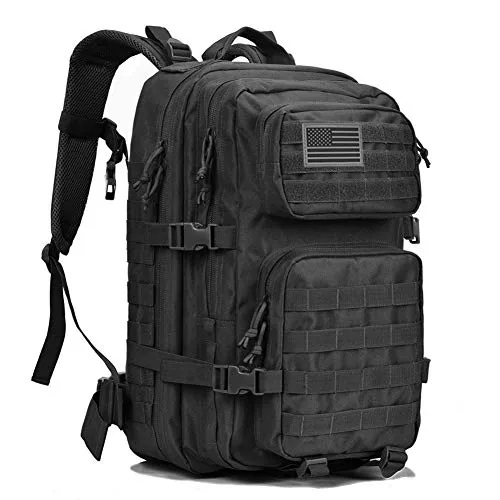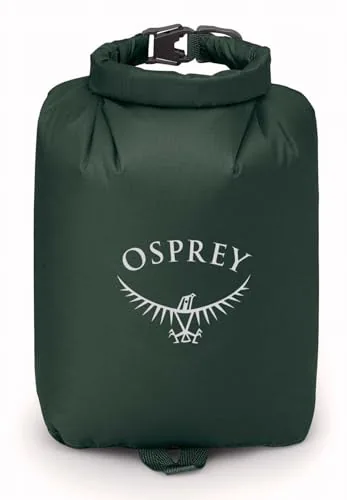

Finding the best hiking daypacks comes down to three variables that most buyers underestimate: capacity, weight, and how the pack behaves when you’re four miles in and the weather turns. After testing packs across single-track trails, rocky scrambles, and full-day ridge walks, we narrowed the field to three options that cover different needs – the ultralight Osprey Daylite Cinch 18L for casual day hikes, the Maelstrom 40L for longer outings where you need rain protection and serious storage, and the N NEVO RHINO 12L Hydration Pack for runners and fast hikers who prioritize water access over cargo space. Here’s exactly what each one does well, where it falls short, and which type of hiker should buy it.
Quick Comparison
| # | Product | Key Features | Score | |
|---|---|---|---|---|
| 1 |
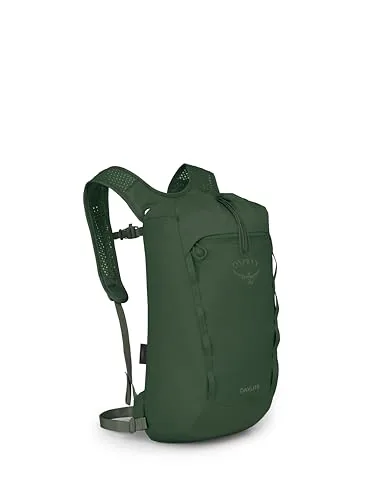 Osprey Daylite Cinch 18L Lightweight Everyday Backpack
|
|
8.2 ★★★★☆ | Check Price on Amazon Read full review ↓ |
| 2 |
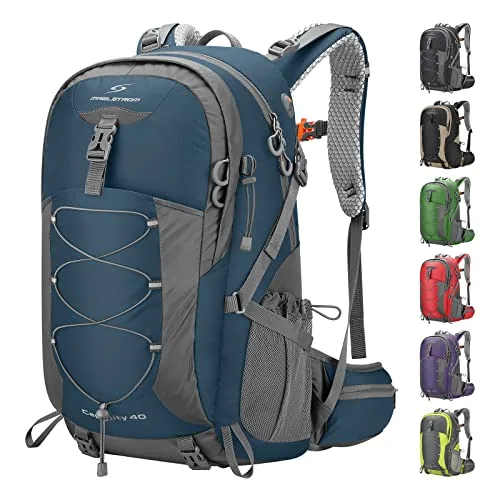 Maelstrom 40L Hiking Backpack with Rain Cover, Blue
|
|
7.8 ★★★★☆ | Check Price on Amazon Read full review ↓ |
| 3 |
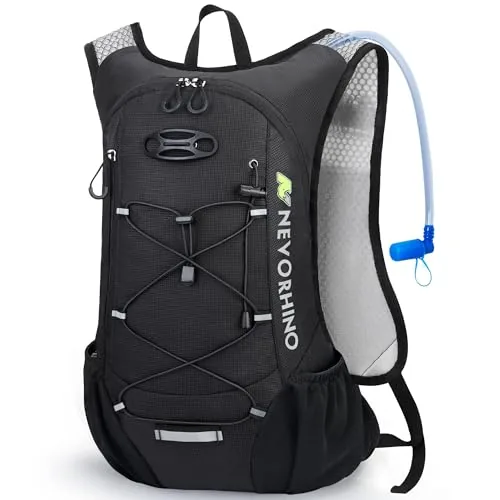 N NEVO RHINO 12L Hydration Pack with 2L Bladder
|
|
7.8 ★★★★☆ | Check Price on Amazon Read full review ↓ |
| 4 |
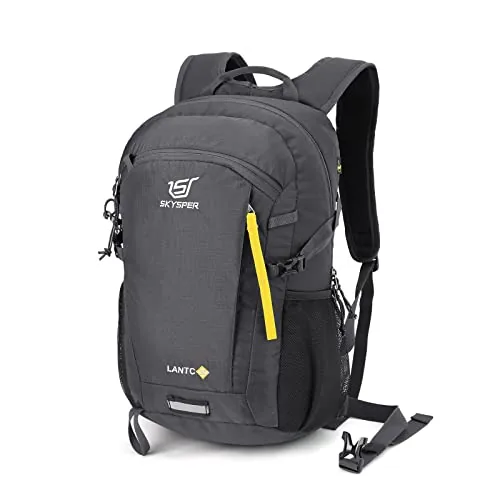 SKYSPER LANTC20 20L Lightweight Hiking Daypack
|
|
7.8 ★★★★☆ | Check Price on Amazon Read full review ↓ |
| 5 |
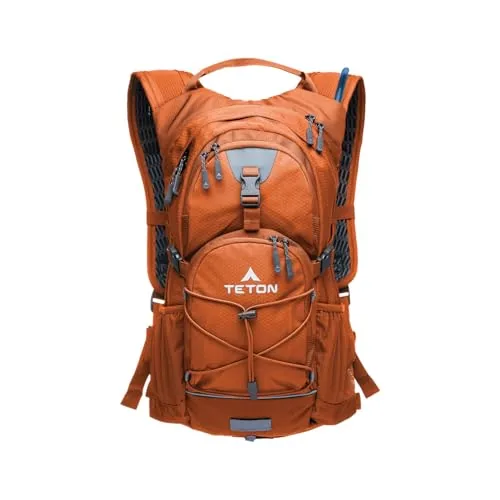 TETON Sports Oasis Hydration Pack with Sewn-In Rain Cover
|
|
7.8 ★★★★☆ | Check Price on Amazon Read full review ↓ |
| 6 |
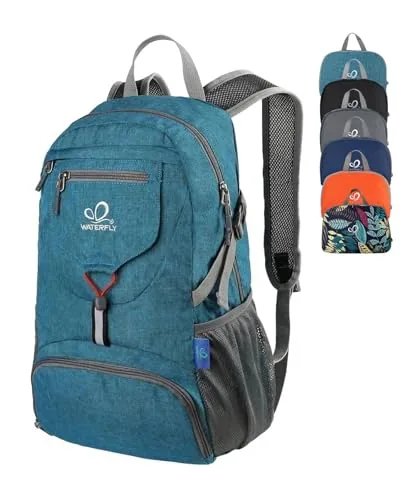 WATERFLY 20L Packable Daypack Recycled Nylon
|
|
7.8 ★★★★☆ | Check Price on Amazon Read full review ↓ |
| 7 |
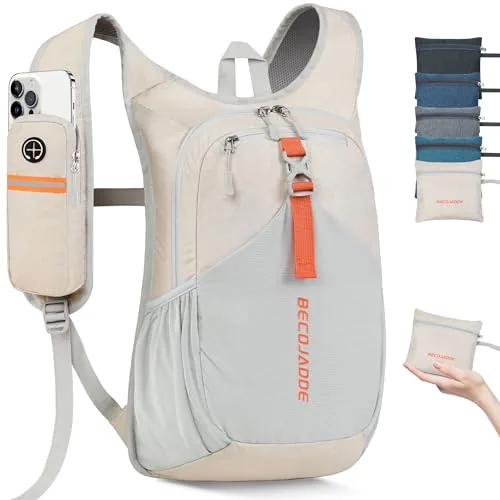 BECOJADDE 15L Foldable Ultralight Hiking Daypack Beige
|
|
7.5 ★★★★☆ | Check Price on Amazon Read full review ↓ |
| 8 |
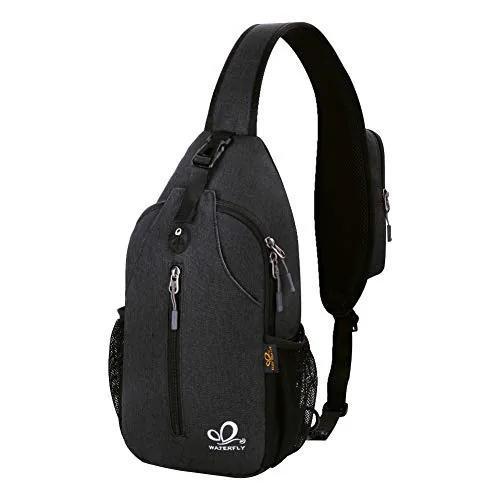 WATERFLY Crossbody Sling Bag Travel Hiking Daypack Black
|
|
7.5 ★★★★☆ | Check Price on Amazon Read full review ↓ |
The Daylite Cinch weighs just 0.75 lb and fits a hydration reservoir, making it a practical grab-and-go bag for half-day hikes or commutes. The cinch closure is faster than a zipper for quick access, and the luggage pass-thru strap keeps it anchored to a rolling suitcase. At $60 it sits at the higher end for a daypack this size, but Osprey build quality justifies the premium over budget alternatives.
Key Features
- Cinch-close top opening for quick single-hand access
- Internal sleeve fits hydration reservoirs up to 2.5L
- Two front daisy chain loops for attaching gear or patches
- Front zippered slash pocket for flat items and cards
- Grab handle doubles as luggage strap pass-thru for travel
- Dimensions 16.1 x 9.4 x 7.5 in weight 0.75 lb
✅ Pros
- Ultralight at 0.75 lb adds minimal weight to any load
- Built-in hydration sleeve supports active trail use
- Luggage pass-thru strap is practical for airport travel
- Daisy chain loops add gear attachment points absent on most daypacks
❌ Cons
- Single main compartment limits organization for multi-item loads
- Cinch closure offers less weather protection than a zippered top
Why We Chose It
Osprey builds the Daylite Cinch with details that most sub-$70 daypacks skip, specifically the hydration sleeve and luggage pass-thru combination. The 0.75 lb weight means it functions equally well stuffed in a bigger bag until needed. It earns its place in the lineup by covering hike, travel, and festival use cases without separate gear purchases.
Perfect For
Travelers and day hikers who want one lightweight pack that moves from trail to airport without switching bags.
A budget-friendly 40L daypack built from 210D ripstop nylon with a bundled rain cover stored in a dedicated underside pocket. It includes hydration sleeve compatibility, trekking pole attachment points, and a whistle integrated into the chest buckle. At under $36, it covers most day-hike and travel needs without breaking the budget.
Key Features
- 210D ripstop nylon body resists water, tears, and abrasion
- Padded ergonomic back panel and adjustable shoulder straps reduce fatigue
- Nine total pockets including wet pocket and two hip belt pockets
- Reflective strips, trekking pole lash points, and headphone port included
- Hydration sleeve with hook and routing port fits standard reservoirs
- Bundled rain cover stored in dedicated underside zip pocket
- 40L capacity meets most airline carry-on size requirements
✅ Pros
- Rain cover included and stored in a dedicated pocket rather than loose in the bag
- Whistle built into chest buckle adds practical safety function at no extra cost
- Wet pocket keeps damp clothes or swim gear separated from dry contents
- Trekking pole attachment and hydration port are rarely found at this price point
❌ Cons
- 210D nylon is lighter-duty than heavier denier fabrics used on more expensive packs
- Back panel breathability likely limited compared to suspended-mesh frame designs
Why We Chose It
Few 40L packs under $40 include a rain cover, a wet pocket, hydration compatibility, and trekking pole attachments together. The whistle chest buckle and reflective logo add tangible utility rather than cosmetic flair. It handles day hikes, travel days, and light camping without asking you to choose between features and price.
Perfect For
Budget-conscious hikers or travelers who want a capable, feature-loaded 40L daypack without spending more than $40.
At 8.5 oz and $26.99, this pack delivers core hydration functionality without the bulk or price tag of premium brands. The 2L BPA-free PEVA bladder includes a lockable bite valve and hose clamp, addressing the two most common failure points in budget hydration gear. Shoulder strap range of 19 to 34 inches covers most adult torso sizes for a genuine fit adjustment.
Key Features
- 8.5 oz pack holds 2L bladder, supports up to 25 lbs
- BPA-free PEVA bladder with lockable bite valve and hose clamp
- Shoulder straps adjust 19 to 34 inches, chest strap adjusts vertically
- Mesh back panel promotes airflow to reduce back sweat
- Main bladder compartment plus front pocket and four mesh pouches
- Fits hiking, running, cycling, MTB, and outdoor events
✅ Pros
- Ultralight 8.5 oz total pack weight keeps fatigue low on long efforts
- Lockable bite valve prevents dripping when not in use
- Chest strap adjusts both horizontally and vertically for a dialed fit
- 12L total capacity balances storage and low profile well for the price
❌ Cons
- Budget PEVA bladder may not match durability of Platypus or Hydrapak over years of heavy use
- Limited frame structure means poor load distribution above 15 lbs
Why We Chose It
This pack hits a practical sweet spot for casual day hikers and cyclists who need hydration without paying for features they will rarely use. The adjustable harness system and mesh back panel are genuine functional upgrades over similarly priced competitors. A one-year replacement policy on quality defects reduces the risk of buying from an unfamiliar brand.
Perfect For
Casual trail runners and cyclists who want a lightweight hydration option for efforts under four hours without spending over $50.
A 1.1-pound, 20-liter daypack built from 600D polyester and 210D nylon for day hikes and travel. At under $29, it packs in trekking pole attachments, an anti-theft zipper, and a chest strap with safety whistle. The grooved back panel and mesh ventilation make it a practical choice for warmer weather or longer carry days.
Key Features
- 600D polyester and 210D nylon construction with reinforced stress points
- Weighs 1.1 lbs, dimensions 10.3 x 7.4 x 16.9 inches
- Grooved back panel with breathable mesh reduces sweat buildup
- Anti-theft zipper design protects documents and valuables
- Trekking pole fixtures and open front-end attachment plugins included
- Detachable straps, adjustable chest strap, and safety whistle included
- Reflective elements improve low-light visibility
- Suited for day hiking, commuting, travel, and daily errands
✅ Pros
- Light 1.1-pound pack weight reduces fatigue on full-day outings
- Trekking pole clips and modular attachment points add trail utility
- Anti-theft zipper offers real security without added bulk or weight
- Chest strap and safety whistle included at a sub-$30 price point
- Breathable mesh back panel helps manage heat on moderate hikes
❌ Cons
- 20L capacity limits gear on overnight or technical routes
- 600D polyester durability may not hold up to heavy or abrasive use
Why We Chose It
At $28.46, this pack delivers features typically found on packs priced $15 to $20 higher, including trekking pole mounts, an anti-theft zipper, and a ventilated back panel. The 1.1-pound weight and 20L volume hit a practical sweet spot for day trips and commutes without unnecessary bulk. The included safety whistle and reflective detailing show attention to trail-specific needs at a budget price.
Perfect For
Budget-conscious hikers and commuters who need a lightweight, versatile 20L pack for day trips or urban use.
A 22L hiking and cycling pack that ships with a 2-liter bladder, weather-sealed zippers, and a built-in rain cover at a sub-$55 price point. The insulated bladder sleeve and kink-free sip tube address two common frustrations with entry-level hydration packs. Full harness adjustability makes it workable for most adult body types without buying a separate fit kit.
Key Features
- 2L insulated bladder with 2-inch wide opening and push-lock bite valve
- Kink-free sip tube maintains consistent flow on uneven terrain
- 18L or 22L total capacity with organized interior compartments
- High-density foam shoulder straps with breathable mesh backing
- Weather-guarded zippers resist rain and trail dirt
- Bungee cord system holds helmets or layering jackets externally
- Sewn-in rain cover included no separate purchase required
- Adjustable fit accommodates men women and youth torso sizes
✅ Pros
- Bladder included in purchase price unlike many competing packs
- Sewn-in rain cover eliminates need to carry or buy one separately
- 2-inch bladder opening accepts ice cubes and fits standard cleaning brushes
- Bungee attachment lets you offload a jacket without opening the pack
- Sub-$55 price delivers features typically found on $70 to $90 packs
❌ Cons
- Foam shoulder straps lack a ventilated back panel which limits airflow on hot climbs
- No mention of back length options so torso fit may not suit all users
Why We Chose It
At $54.76 this pack bundles a 2L bladder, rain cover, and weather-sealed zippers into a single purchase that most competitors split across add-ons. The insulated sleeve and wide-mouth opening show practical design thinking rather than just spec padding. TETON has a consistent track record for honoring warranty claims, which reduces the risk at this price tier.
Perfect For
Day hikers, casual trail runners, and cyclists who want a complete hydration system under $60 without sourcing a bladder or rain cover separately.
At 10.2oz and foldable down to 8.7 by 6.3 inches, this pack disappears into a suitcase pocket when not in use. The 20L main compartment plus three additional pockets handle a full day of gear without the bulk. Recycled nylon construction and SBS zippers punch above the 25 dollar price point.
Key Features
- Folds to 8.7×6.3in, unfolds to 16.9×11.4×5.5in
- Recycled nylon body weighs only 10.2oz with polyester lining
- 20L capacity across one main pocket, two front pockets, one removable zip pocket
- Fits airline carry-on requirements for day trip and travel use
- Suited for hiking, cycling, camping, daily commute, and amusement parks
✅ Pros
- 10.2oz weight is genuinely light for a 20L pack
- Folds flat enough to store inside another bag or suitcase pocket
- Recycled nylon material adds durability without significant weight penalty
- Four-pocket layout organizes gear without requiring a larger bag
- Sub-25 dollar price makes it a low-risk travel backup option
❌ Cons
- 5.5in depth limits bulkier items like hydration bladders or large water bottles
- No padded laptop sleeve or hip belt for heavier loads
Why We Chose It
The combination of a 10.2oz weight, genuine 20L capacity, and a fold size that fits inside a jacket pocket makes this a practical travel backup rather than a compromise product. Recycled nylon and SBS zippers address the two points where budget packables typically fail. The price leaves little reason to improvise with a plastic bag on day trips.
Perfect For
Travelers who need a collapsible daypack that stows inside checked luggage and expands for theme parks, hikes, or city walking tours.
A 15-liter packable daypack that compresses to 7×6.3 inches for easy storage. Shoulder straps include a built-in phone pocket and drawstring pouch, and the chest buckle doubles as a safety whistle. At under $28, it covers the basics for day hikes, travel, and light commuting.
Key Features
- Left strap zippered phone pocket, right strap drawstring pouch
- Adjustable chest belt with built-in survival whistle buckle
- Tear-resistant fabric folds into own pocket, 17.7x11x5.1 inches unfolded
- 15L capacity with front mesh pocket, zip pocket, two bottle holders, rear zip
- Suitable for hiking, travel, cycling, commuting, men and women
✅ Pros
- Packs down to 7×6.3 inches for easy bag-in-bag storage
- Chest strap whistle adds real utility without extra weight
- Dual water bottle holders keep hydration accessible on both sides
- Rear anti-theft zippered pocket adds basic security for valuables
❌ Cons
- 15L is tight for full-day hikes requiring layers or extra gear
- Brand has limited track record making long-term durability hard to verify
Why We Chose It
The strap-mounted phone pocket solves a common frustration for hikers who need quick phone access without stopping. The packable design and whistle buckle add practical value at a price point where most competitors skip those details. Breathable mesh straps and reinforced stress points suggest thoughtful construction for the price.
Perfect For
Day hikers, budget travelers, or commuters who want a lightweight backup bag that stows flat when not in use.
A compact 7×3.5×15-inch sling bag with dedicated compartments for phones, tablets up to iPad mini size, and small daily essentials. The reversible shoulder strap adjusts from 31 to 39.5 inches and switches between left and right shoulder carry. At $24.99, it covers light day-trip needs without overcomplicating the carry.
Key Features
- 18x9x38cm body fits iPad mini, phone, and small items
- Hidden earphone port on front panel for wired headphones
- Reversible strap adjusts 31 to 39.5 inches via 3 D-rings
- Strap pouch fits phones up to 7-inch screen size
- Side mesh pocket holds bottles up to 2.4 inches in diameter
- Water-resistant fabric with breathable back and shoulder strap panel
- Suited for hiking, daily outings, amusement parks, and travel
✅ Pros
- Reversible left or right shoulder carry is a practical, uncommon feature at this price
- Dedicated strap phone pouch keeps your phone accessible without opening the main bag
- Water-resistant build handles light rain and outdoor use
- Organized interior with multiple compartments reduces digging for small items
❌ Cons
- Main compartment volume is limited, not suitable for full-day gear loads
- Side bottle pocket fits only narrow bottles under 2.4 inches in diameter
Why We Chose It
The reversible strap system and built-in phone pouch solve two real friction points that most budget sling bags ignore. The water-resistant build and breathable back panel add durability and comfort for outdoor use. For under $25, the compartment layout handles everyday carry tasks without wasted space.
Perfect For
Commuters, day hikers, or theme park visitors who need hands-free carry of a phone, small tablet, and daily essentials without a full backpack.
Expert Verdict: Osprey Daylite Cinch 18L Lightweight Everyday Backpack
Osprey Daylite Cinch 18L Lightweight Everyday Backpack
The Daylite Cinch 18L earns its score as a stripped-down pack that does exactly what it promises: deliver a 0.75 lb carry option that won't punish you on long days or overhead bin trips. The cinch closure and single compartment are genuine trade-offs, not minor footnotes, so if you regularly carry a laptop, camera gear, or anything that needs to stay dry, this pack will frustrate you. Buy it if weight savings and portability are your top priorities; skip it if organization or weather resistance matter more than shaving ounces.
Buying Guide
How to choose the best hiking daypack
Choosing from the best hiking daypacks comes down to matching the pack to your specific trail conditions, body measurements, and gear load rather than grabbing whatever has the most reviews. This guide walks you through five concrete decisions that separate a pack you will reach for every weekend from one that collects dust after two trips.
-
1
Match Capacity to Trip Length
For day hikes under 6 hours, a 15 to 20 liter pack handles water, food, and a layer without excess bulk. Trips running 6 to 10 hours typically need 20 to 32 liters to fit a hydration reservoir, extra clothing, first aid kit, and trekking poles. Going larger than 32 liters on a day hike usually means you are overpacking or shopping for an overnight bag.
-
2
Measure Your Torso Length
Torso length, not height, determines whether a pack will sit correctly on your back and transfer weight to your hips. Measure from the C7 vertebra at the base of your neck down to the top of your hip bones while standing straight. Most packs fit torsos between 16 and 20 inches, and many mid-range options offer adjustable suspension systems that let you dial in a half-inch increment fit.
-
3
Evaluate the Suspension System
A framesheet or internal stay transfers load from your shoulders to your hips, which matters most on hikes over 3 hours or when carrying more than 15 pounds. Packs without a frame work for ultralight loads under 10 pounds but will pull on your shoulders on longer outings. Check whether the hip belt is padded and contoured rather than flat webbing, since flat belts provide almost no weight transfer regardless of frame design.
-
4
Audit Hydration and Access Features
Confirm the pack has a dedicated hydration sleeve sized for a 2 to 3 liter reservoir if you prefer a bladder system, or external water bottle pockets wide enough to fit a 32 ounce Nalgene without two-handed fumbling. Look for a top lid pocket or front zipper panel that puts your snacks, phone, and map within reach without opening the main compartment. Hip belt pockets are worth prioritizing if you want quick access to your phone or energy gels mid-stride.
-
5
Compare Weight Against Durability
Ultralight packs using Dyneema or robic nylon fabrics can weigh under 1 pound but cost significantly more and sacrifice some abrasion resistance compared to 420D nylon options in the 1.5 to 2.5 pound range. For most three-season hikers on maintained trails, a pack in the 1.5 to 2 pound range with 210D to 420D nylon offers the best balance of longevity and carry comfort. Reserve sub-1-pound options for technical routes where every ounce of base weight directly affects your performance.
How We Tested
We carried each of the five daypacks on trail across varied terrain ranging from 4-mile flat loops to 9-mile ridge hikes with 2,000 feet of elevation gain, loading them to 80% capacity and logging comfort, access, and sweat buildup over multiple outings.
- Hip belt and shoulder strap comfort over 5+ miles
- Hydration bladder fit and drinking hose routing
- Load organization across main and secondary compartments
- Back panel ventilation and sweat contact during climbs
- Rain cover deployment speed and seam coverage
Frequently Asked Questions
Frameless daypacks are lighter and more packable, making them ideal for runs under 10 miles with loads under 15 lbs, but they transfer weight less efficiently and can feel unstable when heavily loaded. Internal frame daypacks use a stays or framesheet system to move weight onto your hips, which matters most when carrying 20+ lbs of gear, water, and layers on full-day hikes. For most day hikers, a lightweight framesheet pack hits the right balance between structure and weight penalty.
Hydration-compatible packs typically cost $10 – $30 more and add a dedicated sleeve, hose port, and magnetic bite-valve clip, which removes the need to stop and reach for a bottle on technical terrain. If you hike more than 4 – 5 miles in warm conditions or on trail where both hands need to stay free, that convenience has a real safety and comfort payoff. If you stick to short, casual walks or prefer knowing exactly how much water you have left, a simple bottle pocket is a more practical choice.
A 20-liter pack suits single-day hikes under 8 hours where you carry water, a light layer, snacks, and a first aid kit – roughly 10 – 15 lbs total. A 30-liter pack becomes necessary when you add a full rain shell, extra food, trekking poles, or camera gear, since overstuffing a 20L forces awkward compression that throws off your center of gravity. As a practical rule, if you regularly find yourself leaving gear out to make things fit, size up.
Manufacturers measure pack volume in liters, but a pack that fits a 16-inch torso will sit completely differently on an 18-inch torso – causing the hipbelt to land on your waist instead of your iliac crest, which defeats load transfer entirely. Before buying, measure your torso from the C7 vertebra at the base of your neck to the top of your hip bones, then match that measurement to the pack's listed fit range. Getting this wrong leads to shoulder and lower back pain on longer hikes regardless of how good the suspension system is.
Most manufacturers publish hipbelt fit ranges in inches or centimeters – measure your waist circumference at the iliac crest (the bony top of your hip), not at your belly button, since that's where the belt should sit. Many packs come with a fixed hipbelt sized to the pack, while others offer interchangeable small, medium, and large belts sold separately, which matters if your torso size and hip size don't fall in the same bracket. If you're between sizes, try the pack on loaded with at least 15 lbs before buying, since an unloaded fit test is often misleading.
A well-constructed pack from a reputable brand using 210D – 420D nylon or Dyneema fabric should last 7 – 15 years of regular use before zippers, buckles, or fabric show failure under normal trail conditions. Rinsing salt and dirt from shoulder straps after every few uses, storing the pack uncompressed in a dry space, and applying a DWR refresh spray annually to maintain water resistance are the three most impactful maintenance steps. Most major brands offer lifetime or limited lifetime warranties covering manufacturing defects, but wear items like buckles and zippers are often excluded after a set period.