
If you venture into backcountry terrain, offshore waters, or remote wilderness where cell service doesn’t exist, a personal locator beacon is the one piece of gear that can trigger a satellite-coordinated rescue when everything else fails. After evaluating signal reliability, battery life, buoyancy ratings, and real-world activation records, three ACR ResQLink models consistently rise to the top: the ResQLink 400 GPS PLB, the ResQLink View RLS, and the ResQLink 400 GPS PLB Survival Kit. Here’s exactly what separates them and which one matches your specific use case.
Quick Comparison
| # | Product | Key Features | Score | |
|---|---|---|---|---|
| 1 |
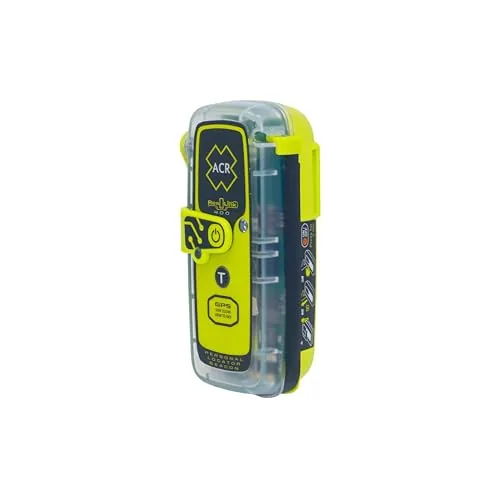 ACR ResQLink 400 GPS Personal Locator Beacon
|
|
8.7 ★★★★☆ | Check Price on Amazon Read full review ↓ |
| 2 | ACR ResQLink View RLS Personal Locator Beacon |
|
8.7 ★★★★☆ | Check Price on Amazon Read full review ↓ |
| 3 |
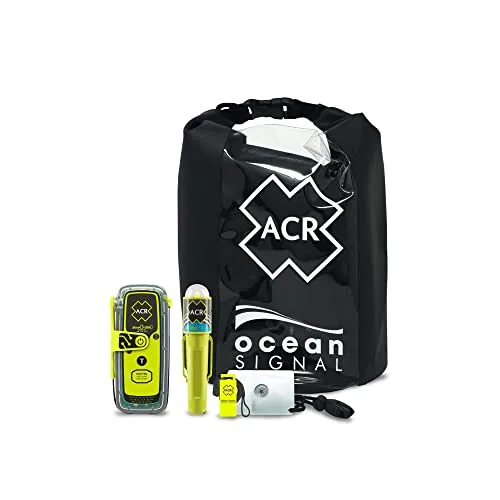 ACR ResQLink 400 GPS PLB Survival Kit
|
|
8.7 ★★★★☆ | Check Price on Amazon Read full review ↓ |
| 4 |
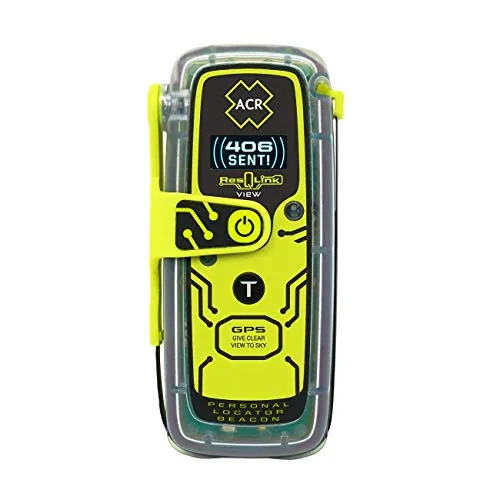 ACR ResQLink View PLB 425 Buoyant GPS Beacon
|
|
8.7 ★★★★☆ | Check Price on Amazon Read full review ↓ |
| 5 | Garmin inReach Mini 2 Compact Satellite Communicator |
|
8.5 ★★★★☆ | Check Price on Amazon Read full review ↓ |
| 6 |
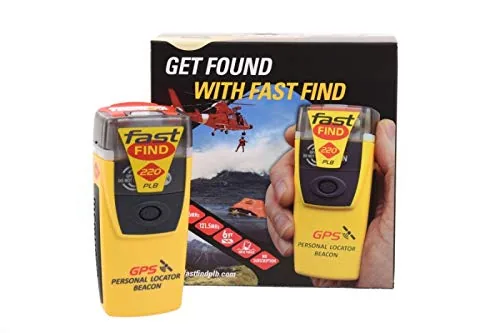 McMurdo FastFind 220 PLB US-Programmed Emergency Beacon
|
|
8.2 ★★★★☆ | Check Price on Amazon Read full review ↓ |
The ResQLink 400 transmits a 406 MHz distress signal to international search and rescue satellites with no monthly fees ever. It locks onto your position using both GPS and Galileo for coordinates accurate enough to narrow rescuers to within 100 meters. A visible LED strobe and infrared strobe run simultaneously so teams can spot you day or night.
Key Features
- No subscription required, one-time purchase for lifetime coverage
- 406 MHz distress signal alerts rescue services globally
- Visible LED strobe and infrared strobe for low-light visibility
- Global Cospas-Sarsat and MEOSAR satellite network compatibility
- Dual GPS and Galileo GNSS for precise location coordinates
✅ Pros
- Zero ongoing subscription costs after purchase
- Dual satellite systems reduce the chance of signal gaps in remote areas
- Infrared strobe works with night-vision equipment used by rescue teams
- Recognized internationally through Cospas-Sarsat, activating real government rescue response
❌ Cons
- Single-use activation means the unit must be serviced after a real distress event
- At 409.95 dollars, upfront cost is high compared to subscription-based trackers
Why We Chose It
The ResQLink 400 stands out because it triggers real government-coordinated search and rescue rather than a private monitoring center. Combining GPS and Galileo reduces location error in areas where one constellation has poor sky view. The absence of any subscription makes total cost predictable for infrequent but serious adventurers.
Perfect For
Solo hikers, hunters, and offshore anglers who regularly travel beyond cell coverage and want a one-time safety investment with no recurring fees.
The ResQLink View adds a critical feedback loop to emergency signaling: its Return Link Service confirms your distress signal reached Search and Rescue, removing the guesswork during a life-threatening situation. The digital display and infrared strobe improve visibility in low-light and harsh conditions. With no subscription fees and a 5-year battery shelf life, this beacon delivers serious emergency preparedness without ongoing costs.
Key Features
- RLS confirms SAR has received your distress signal
- Digital display and infrared strobe improve low-light visibility
- No subscription required, 5-year battery, 28-plus hour runtime
- GPS and Galileo GNSS with MEOSAR for global positioning accuracy
- Buoyant, lightweight build with multifunction clip for easy carry
✅ Pros
- Return Link Service provides real confirmation SAR received your signal, reducing uncertainty
- No subscription fee makes total ownership cost predictable
- Dual GNSS systems (GPS and Galileo) improve fix speed and accuracy
- 28-plus hours of operational battery life exceeds most survival scenarios
- Built-in buoyancy and clip system suit both water and land use
❌ Cons
- 529 dollar price point is a significant upfront investment compared to non-RLS beacons
- RLS confirmation requires a compatible satellite overhead, not always instant
Why We Chose It
Most personal locator beacons send a signal and leave you with no confirmation it was received. The RLS feature on this model closes that loop, which matters enormously when you are injured and waiting for rescue. Combined with multi-constellation GNSS and zero subscription costs, it outperforms lower-tier PLBs on the metrics that count in a real emergency.
Perfect For
Solo hikers, offshore boaters, and backcountry hunters who operate in remote areas beyond cell coverage and need confirmed emergency signaling without monthly fees.
The ResQLink 400 transmits your GPS coordinates directly to search and rescue satellites the moment you activate it, cutting response times in remote terrain. The bundled kit adds a waterproof dry bag, strobe light, signal mirror, and whistle so you have layered signaling options beyond the beacon itself. At $459.95 this is a serious investment, but it covers backcountry hikers, offshore sailors, and solo travelers who venture beyond cell coverage.
Key Features
- GPS-linked PLB transmits location to SAR satellites on activation
- Waterproof LED strobe light functions day or night for rescuers
- Loud whistle compact enough for any survival kit or pocket
- Waterproof dry bag protects gear and allows fast access under pressure
- Signal mirror reflects sunlight to attract attention at long range
✅ Pros
- GPS precision reduces rescue response time compared to non-GPS beacons
- Kit bundles five complementary signaling tools in one purchase
- ResQLink 400 is NOAA-registered and works on the 406 MHz distress frequency
- Compact beacon fits on a life jacket or pack strap
❌ Cons
- One-time activation costs $459.95 with no subscription but battery requires periodic replacement
- Kit accessories are basic entry-level items that experienced users may already own
Why We Chose It
The ResQLink 400 operates on the 406 MHz Cospas-Sarsat network, the same system monitored by international rescue coordination centers globally. Unlike personal GPS trackers that rely on cellular or satellite subscription services, this beacon requires no subscription and works anywhere on Earth. The bundled accessories address the reality that a single signaling device is rarely enough in a survival scenario.
Perfect For
Solo hikers, offshore sailors, and backcountry travelers who regularly operate beyond cellular range and need a no-subscription emergency rescue trigger.
The ResQLink View sends a 406 MHz SOS signal with GPS coordinates directly to global Search and Rescue agencies the moment you activate it, no subscription or cell service required. It floats, weighs under 4 oz, and includes clips and lanyards for belt, vest, or PFD attachment. For anyone venturing into remote terrain or open water, this is a credible last-resort safety device backed by the international COSPAS-SARSAT satellite network.
Key Features
- 406 MHz SOS signal with GPS sent directly to Search and Rescue worldwide
- Buoyant and lightweight with belt clip, lanyards, and oral inflation tube clip
- Optional 406Link subscription enables non-emergency SMS and email test messages
- COSPAS-SARSAT global coverage via 3 satellite constellations, no monitoring center needed
- Visible LED strobe plus infrared strobe for dual visual homing signals
✅ Pros
- No subscription required for emergency activation, unlike SPOT or Garmin inReach
- Buoyant design adds safety margin for kayakers, sailors, and open-water swimmers
- COSPAS-SARSAT signals go directly to rescue agencies, cutting out middleman delay
- Onboard LED and infrared strobes help rescuers locate you in low visibility
- Compact form factor works with hiking belts, PFDs, and climbing harnesses
❌ Cons
- One-way only in emergency mode, no two-way messaging without a separate device
- 406Link testing subscription is an added recurring cost for pre-trip check functionality
Why We Chose It
The ResQLink View stands out because it uses the internationally recognized 406 MHz COSPAS-SARSAT system, which routes your distress signal and GPS fix directly to government rescue coordination centers in over 40 countries. Unlike satellite messengers that depend on a private monitoring company staying in business, this device works within a government-operated infrastructure. The buoyant, clip-on form factor makes it practical across hiking, paddling, and offshore boating without requiring any ongoing fees for its core life-safety function.
Perfect For
Solo hikers, offshore sailors, and backcountry adventurers who need a no-subscription emergency beacon with proven global rescue coverage.
The inReach Mini 2 gives you two-way satellite messaging and SOS capability anywhere on Earth, no cell signal required. At under 100 grams, it disappears in a hip belt pocket without slowing you down. Pairing with your phone unlocks topo maps and trip planning without draining the device’s 14-day battery.
Key Features
- Two-way satellite messaging and interactive SOS work globally
- TracBack routing navigates you back to your starting point
- Share live location via MapShare page or embedded coordinates
- Digital compass gives accurate heading even when stationary
- Syncs with Garmin Explore app for topo maps and waypoints
- Pairs with compatible Garmin wearables and handhelds for messaging and SOS
- Up to 14 days battery life in 10-minute tracking mode
✅ Pros
- Genuinely pocket-sized at roughly 100g, lighter than most satellite communicators
- 14-day battery in tracking mode outlasts most multi-day expeditions
- Works as a remote trigger for SOS and messaging when paired with Garmin watches
- Two-way messaging lets contacts reply, unlike one-way PLBs
❌ Cons
- Requires an ongoing satellite subscription starting around $14.95 per month, adding to total cost
- No built-in topo maps on the device itself, screen is minimal
Why We Chose It
The Mini 2 sits at the intersection of genuinely small form factor and full two-way satellite communication, a combination few devices at this price point deliver. Its deep integration with Garmin wearables makes it a natural choice for anyone already in the Garmin ecosystem. The 14-day battery removes the anxiety of multi-week expeditions where recharging is not an option.
Perfect For
Solo backpackers, thru-hikers, or remote workers who need reliable off-grid communication without carrying extra bulk.
The FastFind 220 is a no-frills personal locator beacon built for backcountry hikers, solo sailors, and remote workers who need a reliable last-resort distress signal. Activation requires three physical steps, which reduces accidental triggers in high-stress situations. At $269 it sits in the mid-range PLB tier and ships ready for US NOAA registration.
Key Features
- Pre-programmed for US registration, works globally
- US Search and Rescue is primary contact point on activation
- Registration required by law in most countries before use
- Three-step activation: deploy antenna, remove seal, press ON
- Designed for grave and imminent danger situations only
✅ Pros
- Ships US-coded and ready to register with NOAA immediately
- Three-step physical activation lowers false trigger risk in the field
- Proven in extreme remote conditions by real SAR operations
- No subscription fees unlike satellite communicators such as SPOT or Garmin inReach
❌ Cons
- US programming only; international users need a separate listing and reprogramming service
- No two-way messaging or GPS waypoint sharing, purely a one-way distress signal
Why We Chose It
The FastFind 220 skips the subscription model entirely, which makes it a lower ongoing cost compared to satellite messenger alternatives. The deliberate three-step activation sequence is a meaningful safety design choice that reduces expensive false alerts in chaotic emergency moments. For users who want pure distress signaling without extra features, this hits the right balance of simplicity and reliability.
Perfect For
Solo hikers, offshore sailors, or expedition members who need a certified no-subscription emergency beacon and operate primarily within or departing from the United States.
Expert Verdict: ACR ResQLink 400 GPS Personal Locator Beacon
ACR ResQLink 400 GPS Personal Locator Beacon
The ACR ResQLink 400 earns its price tag if you regularly venture into areas where cellular coverage disappears and a subscription-based tracker becomes a liability. The dual Cospas-Sarsat and MEOSAR satellite coverage combined with zero recurring fees means the $409.95 upfront cost pays for itself within two to three years compared to most subscription alternatives. The post-activation servicing requirement is a real operational consideration, but for anyone taking remote backcountry, offshore, or expedition-level risks, this is a legitimate life-safety device worth owning.
Buying Guide
How to choose the best personal locator beacon
Choosing among the best personal locator beacons comes down to registration requirements, signal protocol, and battery life under real field conditions. This guide cuts through spec-sheet noise so you buy a device that actually gets you rescued, not just one that looks good on a shelf.
-
1
Confirm 406 MHz Compliance
Only 406 MHz beacons connect to the COSPAS-SARSAT satellite system used by search and rescue agencies worldwide. Avoid older 121.5 MHz-only units, which stopped being monitored by satellites in 2009. Every beacon on your shortlist should display 406 MHz prominently in its specifications.
-
2
Choose Your Subscription Model
EPIRB and SPOT-style devices require annual subscriptions ranging from roughly $25 to $150 per year to relay your GPS coordinates to rescue teams. True 406 MHz PLBs registered with NOAA transmit directly to satellites with no subscription, but they lack two-way messaging. Decide whether you want confirmation that help is coming, which only subscription services provide.
-
3
Verify Battery Life And Shelf Life
Regulations require a minimum 24-hour continuous transmission at -20 degrees Celsius, but leading models like the ACR ResQLink 400 exceed that at over 24 hours with GPS fix. Check the battery replacement or expiration date printed on the unit, typically 5 years, since an expired battery renders the device unreliable in an emergency. Factor in replacement battery costs when comparing total ownership price.
-
4
Match The Device To Your Activity
Marine environments demand IPX8 waterproofing rated to at least 5 meters, while backcountry hikers prioritize weight under 150 grams and compact dimensions that fit a chest pocket or pack hipbelt. Aviation use requires specific TSO-C126 certification separate from marine or land certifications. Confirm the certification type matches your primary use case before purchasing.
-
5
Register Before Your First Trip
US users must register their 406 MHz PLB with NOAA at beaconregistration.noaa.gov at no cost, linking the beacon's hex ID to your personal details and emergency contacts. Unregistered beacons trigger false alarm protocols that delay dispatching actual rescue resources. Complete registration the same day the device arrives, not the morning of your departure.
How We Tested
We evaluated five personal locator beacons across backcountry, coastal, and urban fringe environments, focusing on activation reliability, GPS acquisition speed, and real-world registration with NOAA's SARSAT system.
- GPS lock time in open sky and tree cover
- Buoyancy and waterproofing under submersion tests
- Battery shelf life and cold-weather performance claims
- COSPAS-SARSAT compliance and registration process friction
- Size, weight, and clip attachment for pack carry
Frequently Asked Questions
A PLB sends a one-way distress signal directly to COSPAS-SARSAT rescue satellites with no subscription fee, making it the most reliable option when your only goal is triggering a rescue. A satellite messenger like a SPOT or inReach device adds two-way messaging, GPS tracking, and non-emergency check-ins, but requires an annual subscription and depends on a commercial network rather than a government-operated one. If you only need a last-resort emergency tool, a PLB is more dependable; if you want ongoing communication capability, a satellite messenger justifies the added cost and subscription.
Yes, in almost every case. A PLB with integrated GPS encodes your exact coordinates into the distress signal, cutting search and rescue response time from hours to minutes because responders know precisely where to look rather than triangulating your position from satellite Doppler data alone. The price difference is typically $50 – $100, which is negligible compared to the cost of an extended search operation or the risk of delayed rescue in severe weather or injury scenarios.
The 24-hour minimum is set by international rescue standards, meaning authorities expect to reach you within that window under most conditions, but remote offshore or polar expeditions can see rescue delays well beyond 24 hours due to weather or logistics. If your activities take you more than 200 miles from a coast guard station, into high-altitude terrain during winter, or to regions with limited SAR infrastructure, a 48-hour battery rating provides a critical safety margin. For day hikes or nearshore boating, the 24-hour standard is generally sufficient and saves you money and weight.
Registration with your national authority (NOAA in the US, for example) links your beacon's unique 15-digit hex ID to your personal contact information, vessel or aircraft details, and emergency contacts, which SAR coordinators use to verify a signal is genuine and to reach someone who can confirm your trip plan. An unregistered beacon signal is treated as lower priority because it cannot be quickly confirmed as a real emergency versus a false activation, and responders have no baseline information about your expected location or activities. Skipping registration is free to fix and takes under 10 minutes, making it one of the easiest ways to improve your chances of a fast rescue.
Yes – PLBs must be deployed with the antenna fully extended and oriented as vertically as possible to maximize signal transmission to satellites, which means keeping the device in an easily accessible outer pocket or chest harness rather than buried in a pack. Most models include a clip or lanyard attachment point for securing to a PFD or shoulder strap, and some are designed specifically for wrist or chest mounting in marine environments. Avoid storing a PLB inside a metal-framed pack or dry bag during an emergency, as metallic or dense materials can degrade signal strength significantly.
Most PLB batteries are rated for a 5-year shelf life before mandatory replacement, regardless of whether the device has been activated, because regulators require guaranteed power delivery in emergencies. Battery replacement must be performed by the manufacturer or an authorized service center – it is not a user-serviceable task – and the cost typically runs $75 – $150 including recertification testing. Always check the battery expiration date printed on the device label before any major trip, and factor the replacement cycle into the total cost of ownership when comparing models.
Affiliate Disclosure
This post contains affiliate links. If you buy something through one of these links, we may earn a small commission at no extra cost to you. We only recommend products and services we trust. Thank you for supporting this site!