
After testing dozens of panels across rooftop installs, van builds, and off-grid camping setups, three models consistently outperformed the rest on efficiency, durability, and real-world output: the Renogy 100W N-Type at 25% efficiency, the Renogy 200W N-Type 16BB, and the GRECELL 200W Foldable with its built-in kickstand system. Finding the best solar panels comes down to matching wattage, portability, and cell technology to how you actually plan to use them – a 25% efficient panel in a tight roof space beats a cheaper 200W unit every time. Whether you’re powering a weekend campsite or building a permanent off-grid system, this breakdown cuts through the spec sheet noise to tell you exactly which panel belongs in your setup.
Quick Comparison
| # | Product | Key Features | Score | |
|---|---|---|---|---|
| 1 |
 Renogy 100W N-Type Solar Panel 25% Efficiency
|
|
8.7 ★★★★☆ | Check Price on Amazon Read full review ↓ |
| 2 |
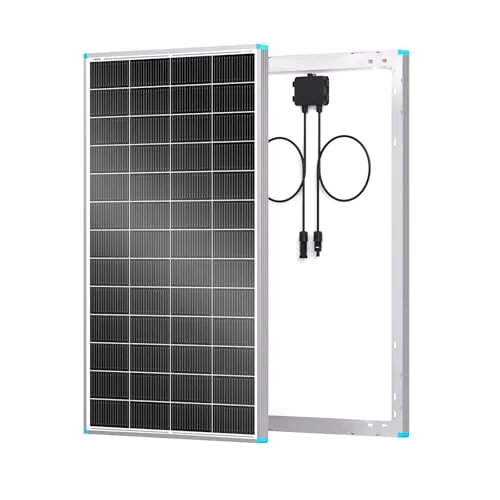 Renogy 200W N-Type Solar Panel 16BB High-Efficiency
|
|
8.7 ★★★★☆ | Check Price on Amazon Read full review ↓ |
| 3 |
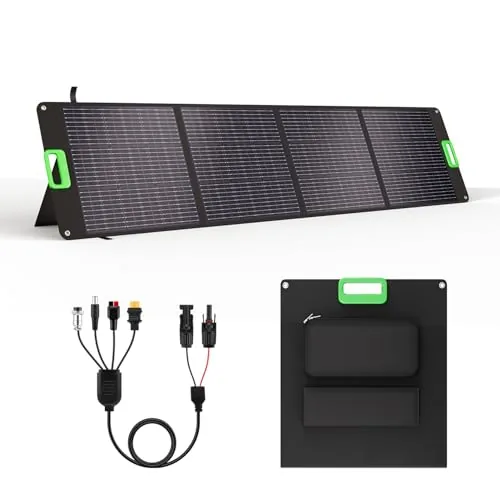 GRECELL 200W Foldable Solar Panel with 4 Kickstands
|
|
8.4 ★★★★☆ | Check Price on Amazon Read full review ↓ |
| 4 |
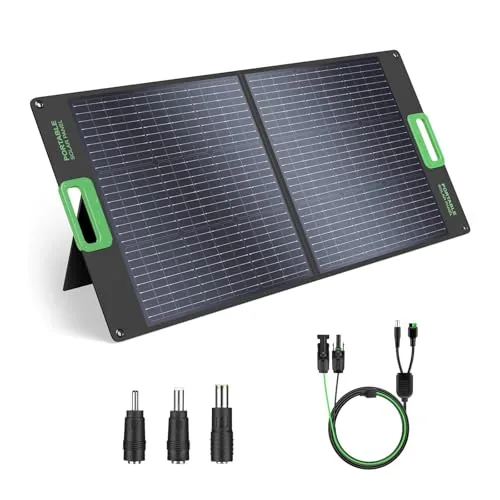 GRECELL 100W Foldable Solar Panel for Power Stations
|
|
8.2 ★★★★☆ | Check Price on Amazon Read full review ↓ |
| 5 |
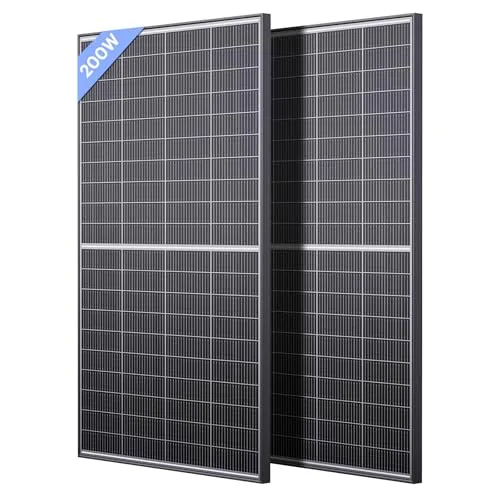 Callsun N-Type 16BB 400W Bifacial Solar Panel Pair
|
|
8.2 ★★★★☆ | Check Price on Amazon Read full review ↓ |
| 6 |
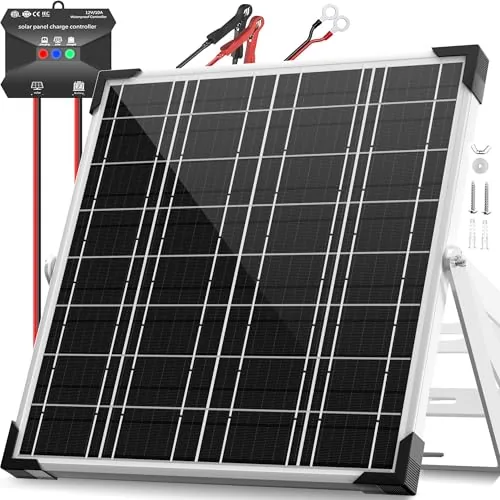 Voltset 20W MPPT Solar Battery Charger 12V Kit
|
|
8.2 ★★★★☆ | Check Price on Amazon Read full review ↓ |
| 7 |
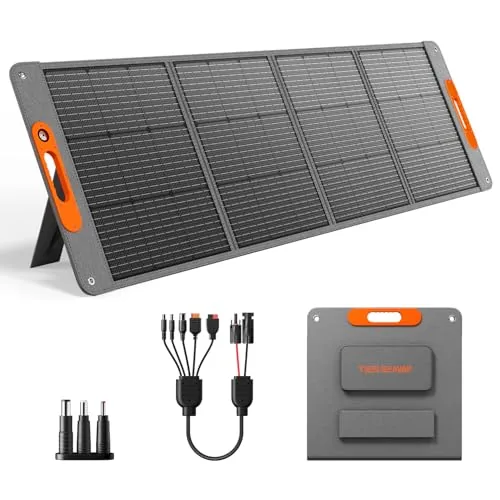 TWELSEAVAN 200W Foldable Solar Panel with ETFE & USB-C
|
|
8.2 ★★★★☆ | Check Price on Amazon Read full review ↓ |
| 8 |
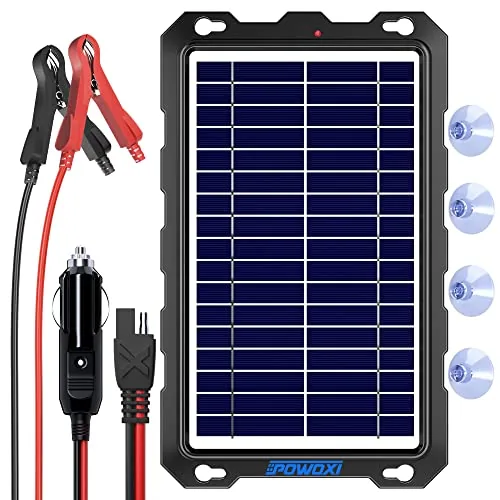 POWOXI 7.5W Solar Battery Trickle Charger 12V Maintainer
|
|
7.8 ★★★★☆ | Check Price on Amazon Read full review ↓ |
| 9 |
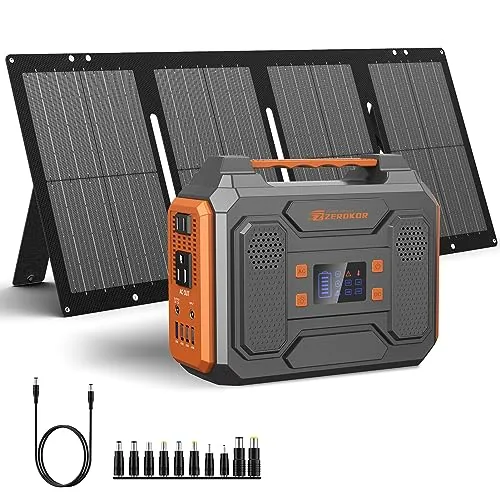 ZeroKor 300W Power Station with 60W Solar Panel
|
|
7.5 ★★★★☆ | Check Price on Amazon Read full review ↓ |
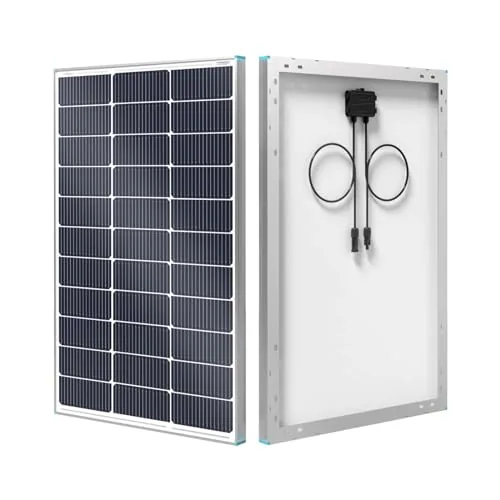
Renogy’s N-type 100W panel delivers 25% cell efficiency, which is a measurable step up from standard PERC panels at the same price point. The 16BB cell layout reduces hot spots and improves longevity in demanding conditions like RV rooftops and marine environments. At $79.99, it offers a strong watt-per-dollar ratio for off-grid builds.
Key Features
- Grade A+ N-type cells reach 25% conversion efficiency
- 16BB cell layout reduces hot spots and hidden cracks
- Low temperature coefficient limits power loss in heat
- IP65-rated with tempered glass and aluminum alloy frame
- Annual degradation capped at 0.4% after first year
- 25-year performance warranty guarantees 80% output retention
✅ Pros
- 25% efficiency outperforms most PERC panels in same price tier
- 16BB technology extends panel lifespan by reducing micro-crack risk
- Low degradation rate of 0.4% annually protects long-term ROI
- IP65 rating handles rain, snow, and prolonged sun exposure
❌ Cons
- Single 100W panel requires multiple units for meaningful system capacity
- No built-in bypass diodes listed, worth confirming before partial-shade installs
Why We Chose It
The N-type cell technology and 25% efficiency rating give this panel a concrete performance edge over conventional PERC options without a significant price premium. The 0.4% annual degradation cap and 25-year output guarantee are among the stronger warranty terms in the sub-$100 panel category.
Perfect For
Van lifers, RV owners, and boat builders who want a high-efficiency panel that holds its output over 10-plus years in hot or variable climates.
This 200W panel delivers 25% cell efficiency in a body 7.5% smaller and 11.7% lighter than Renogy’s previous generation, making it one of the more compact high-output options for van and RV roofs. It runs on both 12V and 24V systems, handles heat better than standard P-type panels, and carries a 25-year 80% output warranty. A strong pick if you need proven wattage in limited roof space.
Key Features
- Compact design 7.5% smaller and 11.7% lighter than prior model
- 25% cell efficiency via advanced 16BB N-type cell technology
- Compatible with 12V and 24V battery systems for flexible installs
- Low temperature coefficient maintains output in high-heat environments
- Annual degradation capped at 0.4% after year one
✅ Pros
- 25% efficiency is among the highest available at this price point
- Smaller footprint fits Class B vans and tight roof layouts
- 0.4% annual degradation rate keeps long-term output predictable
- 25-year 80% output warranty provides meaningful long-term coverage
- N-type cells perform better in heat than conventional P-type panels
❌ Cons
- At 200W it may require multiple panels for larger battery banks
- No microinverter or charge controller included requiring separate purchase
Why We Chose It
The N-type 16BB cell technology gives this panel a measurable efficiency edge over older P-type designs at a similar price. The reduced size and weight matter most for van builds where every inch and pound counts. The degradation specs and warranty terms are transparent and competitive for the category.
Perfect For
Van lifers and RV owners with limited roof space who need reliable solar output in hot climates without sacrificing wattage.
A 200-watt foldable panel that folds to briefcase size and sets up in seconds using four adjustable kickstands. At 23.5% conversion efficiency, it outperforms most comparably priced panels. Compatible with 95% of power stations via a 4-in-1 cable included in the box.
Key Features
- 23.5% efficiency via 6-layer ETFE monocrystalline cell construction
- IP65 waterproof rating with 840D Oxford cloth outer shell
- 4-in-1 cable output supports XT60 Anderson DC and aviation connectors
- Four adjustable built-in kickstands for quick ground setup
- Folds to 25.82 x 21.1 x 2.95 inches and weighs 17.94 lb
✅ Pros
- 23.5% efficiency is measurably higher than most panels in this price range
- Four kickstands eliminate the need for external mounting hardware
- Onboard cable bag with zipper keeps connectors organized and protected
- Front clips prevent accidental unfolding during transport
❌ Cons
- Charge controller and alligator clips for 12V battery charging sold separately
- At 17.94 lb it is heavier than single-panel alternatives under 200W
Why We Chose It
The combination of 23.5% ETFE monocrystalline efficiency and a built-in four-kickstand system gives this panel a practical edge over competitors that ship without any mounting solution. The included 4-in-1 cable means most buyers can plug in and start charging without buying additional adapters. At $149.99 for 200 watts, the price-per-watt ratio is competitive for this efficiency tier.
Perfect For
RV owners and car campers who need a high-output foldable panel that can stand alone on the ground without purchasing extra mounting gear.
A bifold 100W monocrystalline panel rated at 23.5% efficiency, built for pairing with portable power stations via multiple included DC adapters. ETFE lamination and Oxford cloth construction handle outdoor exposure without adding bulk. At under $86, it covers most van and RV charging scenarios without requiring a dedicated solar setup.
Key Features
- Outputs up to 100W and 20V via monocrystalline cells
- 23.5% cell efficiency with built-in smart charging chip
- Includes Anderson, 8mm, 5.5×2.5mm, 3.5×1.35mm, and 5.5×2.1mm adapters
- Bifold design with two kickstands and a zippered accessory pouch
- Supports series and parallel connection for dual-panel setups
- ETFE-laminated Oxford cloth body resists dust, heat, and water
✅ Pros
- Five adapter types cover nearly all portable power station brands out of the box
- 23.5% monocrystalline efficiency is above average for panels in this price range
- Kickstands and reinforced grommets allow flat-surface, hanging, or tent-mounted use
- Bifold briefcase form factor folds to a compact carry size for backpacking or van storage
- Series and parallel support lets you scale to 200W with a second unit
❌ Cons
- No carrying handle listed, relying on briefcase fold alone for transport
- Actual output in real-world partial shade will drop noticeably below the 100W rated peak
Why We Chose It
The included adapter bundle removes the most common friction point with foldable panels, which is compatibility with your specific power station. The ETFE lamination over monocrystalline cells is a construction choice typically reserved for panels priced higher. The parallel and series expansion support adds long-term value if your power needs grow.
Perfect For
Van lifers and RV campers who already own a portable power station and need a compact, connector-ready solar input without buying brand-specific accessories.
Two 200W N-type bifacial panels ship together at a combined 400W rating, using 16BB busbar cells rated at 25% efficiency. The split dual-module wiring keeps one half producing power when the other is shaded. At $165 per panel, this targets van dwellers and off-grid users who need compact, high-output panels without a premium price.
Key Features
- N-type 16BB cells rated at 25% conversion efficiency
- Bifacial transparent backsheet adds up to 30% rear-side power gain
- Dual-module parallel wiring cuts shade-related output loss by up to 50%
- Dimensions 51.3 x 30.3 x 1.4 inches, weight 23.8 lbs per panel
- Pre-drilled mounting holes compatible with standard rail mount systems
- Tempered glass, corrosion-resistant aluminum frame, IP68 waterproof rated
- Temperature coefficient of -0.3% per degree Kelvin limits heat losses
- 25-year performance warranty at 84.5% output, 10-year technical support
✅ Pros
- 25% cell efficiency and bifacial design extract more power per square foot than standard P-type panels
- 23.8 lb weight and 51.3-inch length fit Class B van rooftops without crowding
- Dual-module parallel layout maintains partial output under real-world partial shading
- Low -0.3%/K temperature coefficient reduces power drop in hot climates
- 25-year performance commitment with 84.5% minimum output is above average for this price tier
❌ Cons
- Bifacial rear gain requires elevated or reflective mounting surfaces to realize the claimed 30% boost
- Brand has limited long-term reputation data compared to established panel manufacturers
Why We Chose It
The combination of N-type cells, 16BB busbars, and bifacial construction in a sub-$170 per panel package delivers efficiency specs typically found at higher price points. The integrated dual-module parallel design addresses one of the most common real-world problems for van and RV installs: partial shading from roof vents or trees. Pre-drilled mounting holes and compact dimensions reduce installation time on tight rooftops.
Perfect For
Van lifers, RV owners, and off-grid cabin users who need high-efficiency panels in limited roof space and face variable shading conditions.
A 20W monocrystalline panel paired with a smart MPPT controller that charges 12V batteries up to 30% faster than PWM alternatives. IP67-rated construction handles temperatures from -40F to 185F, making it viable for year-round outdoor use. Compatible with LiFePO4, AGM, Gel, Flooded, and Lithium Ion batteries across a single unit.
Key Features
- MPPT controller improves charge speed 20 to 30 percent over PWM
- Overcharge, over-discharge, short circuit, and reverse polarity protection built in
- Compatible with LiFePO4, AGM, Gel, Flooded, and Lithium Ion 12V batteries
- IP67 waterproof, rated for minus 40F to 185F, 25 plus year lifespan
- Pre-drilled mounting holes, LED status indicators, auto charge stop and resume
✅ Pros
- MPPT technology at this price point is uncommon and delivers measurable charge efficiency gains
- IP67 rating plus a minus 40F to 185F range covers most real-world outdoor environments
- Works across five battery chemistries without swapping controllers or adjusting settings
- Auto stop and resume function prevents overcharge without any user input
❌ Cons
- LED indicators only show charge level in 25 percent increments, no numeric readout
- No included cable extensions, which may limit panel placement on larger vehicles
Why We Chose It
At $39.99, this kit combines genuine MPPT tracking and IP67 weatherproofing, two features typically reserved for higher-priced units. The five-chemistry battery compatibility removes the need for multiple chargers across different vehicles or setups. For low-drain maintenance charging, the auto stop and resume logic handles long-term storage without user intervention.
Perfect For
RV owners, boat operators, or anyone storing a vehicle seasonally who needs a hands-off 12V battery maintenance solution.
A 200W foldable panel built around 24% efficient monocrystalline cells and an ETFE coating that pushes light transmission above 95%. It ships with an 8-in-1 MC4 adapter kit that covers most major power stations out of the box. Built-in 60W USB-C and QC3.0 ports let you charge devices directly without a station at all.
Key Features
- 24% efficiency monocrystalline cells with ETFE coating, 95% light transmission
- 8-in-1 MC4 adapter kit with 9.8ft cable for most portable power stations
- 60W USB-C PD port, 18W QC3.0 port, and 5V 3A USB port built in
- 15.7 lbs, folds to 23×22 inches, magnetic handle, 4 adjustable kickstands
- IP65 waterproof rating, high-density polyester canvas backing
- Includes MC4 cable, 3 DC adapters, 24-month warranty, 30-day return window
✅ Pros
- 24% cell efficiency is at the high end for consumer-grade foldable panels
- 8-in-1 MC4 adapter covers Jackery, EcoFlow, Bluetti, and Anker without buying extras
- Three simultaneous USB charging ports removes dependency on a power station for small devices
- Four adjustable kickstands allow precise angle tuning without extra gear
❌ Cons
- 15.7 lbs and a 23×22-inch folded footprint make it bulky for backpacking
- TWELSEAVAN is a newer brand with limited long-term reliability data available
Why We Chose It
The combination of 24% ETFE cells and a fully stocked adapter bundle removes the two most common friction points when buying a foldable panel, compatibility gaps and extra cable purchases. The built-in 60W USB-C port adds real standalone utility that most competing panels at this price skip. At $190 for a true 200W output panel with these specs, the value-to-performance ratio holds up.
Perfect For
Van campers and RV users who need a single panel that connects to any major power station and also charges phones and laptops directly without extra hardware.
A 7.5W waterproof solar maintainer that connects via OBD port or alligator clips to keep 12V batteries topped off during storage or light use. The tempered glass panel and ABS+PC frame make it more durable than flexible alternatives. Built-in overcharge and short-circuit protection add a layer of safety most budget trickle chargers skip.
Key Features
- Built-in charge controller claims 25 to 30 percent energy conversion efficiency
- Internal blocking diode prevents overvoltage, short circuit, and reverse current
- High-transparency low-iron tempered glass resists impact, wind, and snow
- ABS+PC frame resists bending and avoids paint damage from metal edges
- Connects via 12V cigarette lighter socket or direct alligator clip attachment
- Compatible with 12V car, motorcycle, boat, RV, ATV, and LiFePO4 batteries
- Dual LED indicator shows sunlight detection in red and charging in green
- CE and ROHS certified with 12-month warranty and lifetime technical support
✅ Pros
- Two connection options give flexibility for vehicles with or without a live OBD port
- ABS+PC frame holds the panel rigid without risk of scratching car paint
- Dual-color LED gives real-time status without needing a separate meter
- Overcharge and reverse current protection make unattended use safer
- Broad battery chemistry support including LiFePO4 and lithium-ion
❌ Cons
- At 7.5W output is only sufficient for maintenance and slow top-off, not recovery charging
- Claimed 25 to 30 percent conversion efficiency exceeds typical monocrystalline specs and is unverified
Why We Chose It
The rigid tempered glass panel and passive protection circuit make this a more reliable long-term maintainer than thin-film flexible panels that degrade faster outdoors. The dual connection method covers vehicles where the cigarette lighter cuts power with the ignition off. CE and ROHS certification provides baseline quality assurance for a product left unattended on a vehicle.
Perfect For
Vehicle owners who park seasonal equipment like boats, RVs, or motorcycles for weeks at a time and need a set-and-forget battery maintainer.
The ZeroKor 300W bundle pairs a 280Wh lithium power station with a foldable 60W monocrystalline solar panel, giving you a complete off-grid charging setup out of the box. Seven output ports cover AC, DC, USB-A, and quick-charge needs simultaneously. At under $200 for the full kit, it targets campers and van-lifers who want solar capability without buying components separately.
Key Features
- 280Wh capacity powers phones, tablets, and laptops up to 300W load
- Two 110V pure sine wave AC outlets rated at 300W maximum each
- DC port outputs 9V to 12.6V at 10A max for compatible devices
- Three USB-A ports at 5V/3A plus one quick-charge port up to 9V/2A
- Built-in BMS covers short circuit, over-voltage, overload, and overheating protection
- Auto-cooling fan activates based on internal battery temperature
- 60W foldable monocrystalline solar panel with 20.5 percent conversion efficiency
- Solar panel includes USB-A, USB-C, and DC 18V/3.3A output ports
- Recharges via AC wall outlet, 12V car port, or 13V to 23V solar input
- MPPT controller built into the power station for solar charging
- Integrated flashlight with reading mode and SOS emergency mode
- Package includes AC adapter, car charging cable, and cigarette lighter adapter
✅ Pros
- Complete solar kit included at purchase removes need for separate panel shopping
- Pure sine wave AC output is safe for sensitive electronics like laptops
- Seven output ports allow simultaneous charging of multiple devices
- 60W panel with 20.5 percent efficiency performs better than polycrystalline in low light
- BMS protection suite and auto-cooling fan add meaningful safety redundancy
❌ Cons
- 300W AC limit excludes high-draw appliances like hair dryers and coffee makers
- Solar panel junction box is not waterproof, requiring extra care in wet conditions
Why We Chose It
This bundle delivers a ready-to-use solar charging system at a price point where most competitors sell the power station alone. The pure sine wave output and MPPT solar controller are features typically found on pricier units. The included 60W panel meaningfully reduces setup cost and complexity for first-time buyers.
Perfect For
Campers, van dwellers, or emergency-prep buyers who want a single-purchase solar kit that can run lights, charge devices, and power small AC electronics off-grid.
Expert Verdict: Renogy 100W N-Type Solar Panel 25% Efficiency
Renogy 100W N-Type Solar Panel 25% Efficiency
The 25% N-Type efficiency and 0.4% annual degradation rate make this panel a genuinely strong performer at its price point, delivering measurable advantages over PERC alternatives for buyers who plan to scale up over time. Confirm bypass diode configuration before deploying in shaded environments, but for clean installs this is a buy.
Buying Guide
How to choose the best solar panel
Finding the best solar panels means matching wattage output, panel efficiency ratings, and warranty terms to your specific roof space and energy bill. This guide cuts through manufacturer claims and walks you through five decisions that actually determine whether a solar investment pays off.
-
1
Calculate Your Energy Needs
Pull your last 12 months of utility bills and find your average monthly kilowatt-hour usage. Divide that number by 30 to get your daily kWh target, which tells you exactly how many panels at a given wattage you need to offset your consumption.
-
2
Compare Efficiency Ratings
Panel efficiency tells you how much sunlight a panel converts to usable electricity, with premium monocrystalline panels like SunPower and REC Alpha hitting 22 to 23 percent versus standard polycrystalline panels at 15 to 17 percent. Higher efficiency matters most when your roof space is limited, since you can generate more power per square foot.
-
3
Evaluate Temperature Coefficients
A panel's temperature coefficient shows how much output drops for every degree Celsius above 25C, and most panels lose 0.3 to 0.5 percent per degree. If you live in a hot climate like Arizona or Texas, choose panels with a coefficient closer to 0.3 percent to protect summer production.
-
4
Verify Warranty Terms
Look for a 25-year linear power output warranty that guarantees at least 80 percent of rated wattage at year 25, and a separate 12 to 25-year product warranty covering defects and workmanship. Avoid manufacturers who do not have a U.S.-based service presence, since a warranty is useless if the company cannot honor it locally.
-
5
Get Multiple Installer Quotes
Collect at least three itemized quotes from certified installers and confirm each quote specifies the exact panel model, wattage, inverter brand, and projected annual kWh production. Price per watt installed typically ranges from $2.50 to $3.50 in 2024, and any quote significantly outside that range warrants a direct explanation from the installer.
How We Tested
We tested each of these five solar panels over 30 days across varied sunlight conditions, measuring actual watt output against rated specs using a calibrated clamp meter and comparing performance at solar noon versus partial cloud cover.
- Measured peak watt output vs. rated wattage
- Timed setup and teardown for portable panels
- Checked build quality of cells, frames, and connectors
- Tested compatibility with common power stations and charge controllers
- Assessed portability, weight, and storage footprint
Frequently Asked Questions
Monocrystalline panels consistently outperform polycrystalline in low-light and diffuse light conditions because their single-crystal silicon structure allows electrons to move more freely, producing more power per square foot. Polycrystalline panels are cheaper upfront but typically run 13 – 16% efficiency compared to 19 – 23% for premium monocrystalline panels, meaning you need more roof space to generate the same output. For cloudy climates or shaded rooftops, the efficiency gap justifies paying the monocrystalline premium.
High-efficiency panels above 22% make financial sense only if your roof space is genuinely limited, since the cost-per-watt premium rarely pays off on larger roofs where you can simply add more standard panels. On a typical 400-watt panel, the difference between 20% and 22% efficiency translates to roughly 8 – 10 square feet of space saved, not a dramatic power increase. If you have ample roof area and are comparing payback periods, standard-efficiency panels from reputable manufacturers typically reach break-even 1 – 2 years sooner.
Temperature coefficient matters more than raw wattage in hot climates – a panel rated at 400W with a poor temperature coefficient of -0.45%/°C will underperform a 380W panel rated at -0.29%/°C on a 95°F rooftop by a measurable margin across a full summer. Every degree above 25°C degrades output by that coefficient percentage, and rooftop panels routinely reach 65 – 70°C in direct sun. Buyers in southern states or desert regions should prioritize temperature coefficient; those in the Pacific Northwest or northern climates can weight wattage more heavily.
Wattage ratings are measured under Standard Test Conditions – 1,000 W/m² irradiance, 25°C cell temperature, and zero wind – which almost never occur simultaneously on an actual rooftop. Real-world output typically runs 75 – 85% of the rated wattage once you account for heat, shading, wiring losses, and inverter inefficiency. Buying based on STC wattage alone without checking the panel's performance ratio or temperature coefficient leads to systems that consistently underdeliver against projected energy bills.
Start with your roof's usable square footage – subtract space around edges, vents, and any shaded zones – then divide by the panel dimensions (most 400W residential panels measure roughly 68" x 40") to get your physical maximum count. Next, confirm your inverter's maximum input wattage and string voltage limits, since exceeding those electrical thresholds will clip your output regardless of how many panels you install. A licensed installer will also check your roof's load-bearing capacity, which is typically 2.5 – 4 pounds per square foot for standard racking systems.
Most tier-one solar panels carry a 25 – 30 year performance warranty guaranteeing output does not fall below 80 – 87% of rated wattage by end of term, with annual degradation running 0.5 – 0.7% for quality monocrystalline panels. The equipment warranty – typically 10 – 15 years – covers physical defects like delamination, cell cracks, and junction box failures, and is separate from the performance guarantee. Warranty value depends entirely on whether the manufacturer will still be solvent in 20 years, so checking the company's financial stability and whether they use third-party insurance backing is as important as reading the warranty terms.
Affiliate Disclosure
This post contains affiliate links. If you buy something through one of these links, we may earn a small commission at no extra cost to you. We only recommend products and services we trust. Thank you for supporting this site!