
Finding the best water purification tablets comes down to three factors most buyers overlook: tablet size relative to your water volume, wait time before drinking, and whether the formula neutralizes the chemical aftertaste afterward. After testing the Aquatabs 397mg 100 Pack, Potable Aqua with PA Plus, and Aquatabs 49mg 30 Pack across different trip lengths and water sources, clear differences emerged in effectiveness, convenience, and value. Whether you’re stocking an emergency kit, preparing for a thru-hike, or grabbing something for a weekend camping trip, this breakdown will tell you exactly which tablet fits your situation.
Quick Comparison
| # | Product | Key Features | Score | |
|---|---|---|---|---|
| 1 |
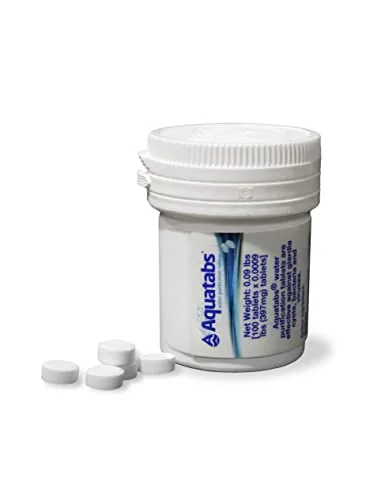 Aquatabs 397mg Water Purification Tablets 100 Pack
|
|
8.5 ★★★★☆ | Check Price on Amazon Read full review ↓ |
| 2 |
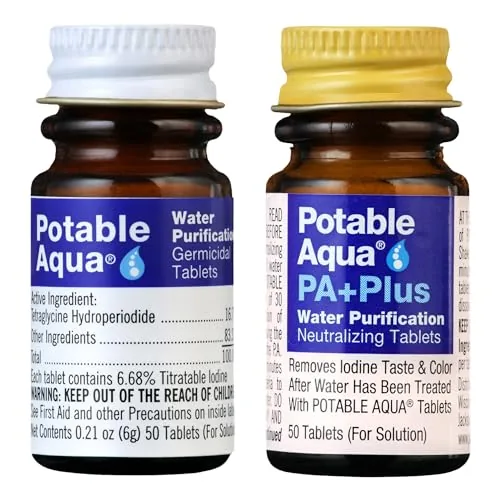 Potable Aqua Water Purification Tablets with PA Plus
|
|
8.5 ★★★★☆ | Check Price on Amazon Read full review ↓ |
| 3 |
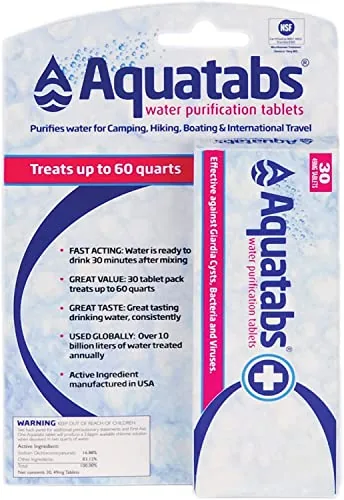 Aquatabs 49mg Water Purification Tablets 30 Pack
|
|
8.5 ★★★★☆ | Check Price on Amazon Read full review ↓ |
| 4 |
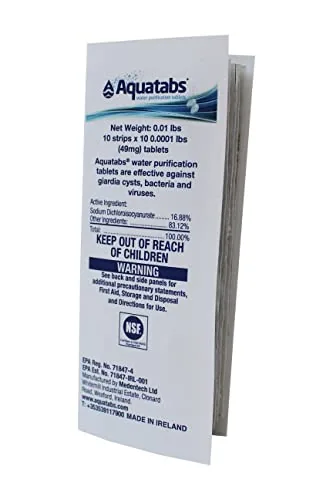 Aquatabs 49mg Water Purification Tablets 100 Pack
|
|
8.5 ★★★★☆ | Check Price on Amazon Read full review ↓ |
| 5 |
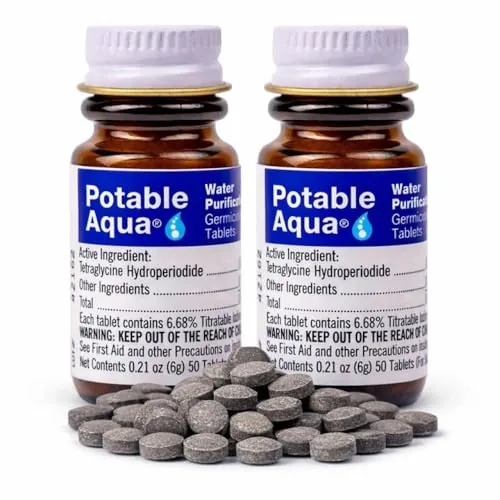 Potable Aqua Iodine Tablets 2-Pack 100 Total Doses
|
|
8.2 ★★★★☆ | Check Price on Amazon Read full review ↓ |
| 6 |
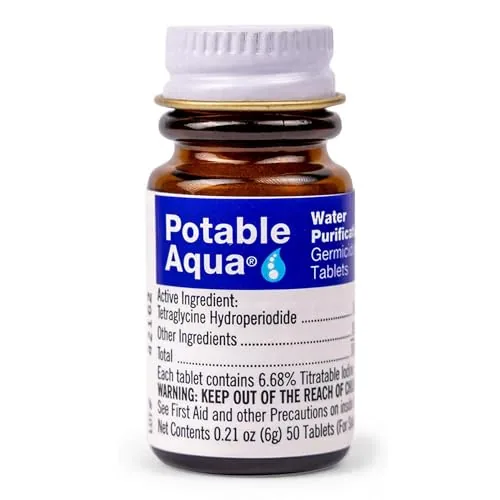 Potable Aqua Iodine Water Purification Tablets 50ct
|
|
8.2 ★★★★☆ | Check Price on Amazon Read full review ↓ |
| 7 |
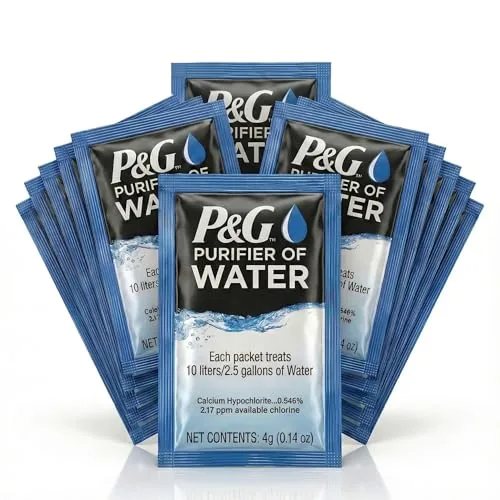 P&G Purifier of Water EPA-Registered Purification Packets
|
|
8.2 ★★★★☆ | Check Price on Amazon Read full review ↓ |
Aquatabs are a field-proven chlorine-based purification option trusted by aid organizations and outdoor users worldwide. Each tablet treats up to 4 gallons in 30 minutes without the harsh taste associated with iodine alternatives. With an expiration date of October 2028 and a 100-count pack, this is a practical long-shelf-life option for emergency kits and regular backcountry use.
Key Features
- Kills 99.9999% bacteria, 99.99% viruses, 99.9% cysts including Giardia
- Each 397mg tablet purifies up to 4 gallons in 30 minutes
- Lightweight and compact, suitable for bug-out bags and survival kits
- No iodine taste, color, or odor in treated water
- Effective for camping, boating, RV use, and emergency preparedness
- Pairs with filter straws or filter bags to remove sediment first
- Expires October 2028, providing multi-year shelf life from purchase
✅ Pros
- Treats large 4-gallon volumes per tablet, reducing tablet consumption on longer trips
- No iodine aftertaste makes treated water significantly more palatable
- 100-count pack at $34.99 works out to roughly $0.35 per tablet
- Long 2028 expiration date supports emergency kit storage without frequent replacement
- Chlorine-based formula is widely validated across military and humanitarian applications
❌ Cons
- Requires 30-minute wait time before water is safe to drink
- Does not remove sediment or heavy metals, requiring a pre-filter in turbid water
Why We Chose It
Aquatabs stand out because the chlorine NaDCC formula delivers broad-spectrum pathogen kill rates that match or exceed most competing tablet options, without the sensory downsides of iodine. The 4-gallon-per-tablet capacity is unusually high for a compact tablet, making this cost-effective for group camping or household emergency stockpiling.
Perfect For
Hikers, campers, and emergency preparedness planners who need a lightweight, no-taste water treatment option with a long shelf life.
A two-bottle system that treats questionable water in emergency situations without leaving iodine taste or color. Each kit includes 50 iodine tablets plus 50 neutralizing PA Plus tablets for a complete purification process. Compact enough to fit in any pack, these tablets cover bacteria and Giardia lamblia, the two most common waterborne threats in backcountry and disaster scenarios.
Key Features
- Two bottles included: 50 purification tablets and 50 PA Plus tablets
- Treats water to bacteriologically safe drinking standards in emergencies
- PA Plus neutralizes iodine taste and color when used correctly
- Effective against bacteria and Giardia lamblia
- Suited for hiking, travel, camping, and natural disaster preparedness
✅ Pros
- At under $9 for 50 treatments, cost per liter treated is very low
- PA Plus tablet removes the bitter iodine aftertaste most single-bottle systems leave behind
- Dual-bottle format keeps the neutralizing step separate, reducing accidental misuse
- Small enough to store in a first aid kit, go bag, or jacket pocket
❌ Cons
- Iodine-based formula is not recommended for pregnant women or people with thyroid conditions
- Treatment time increases in cold or turbid water, requiring extra wait time
Why We Chose It
The PA Plus second-stage neutralizer sets this kit apart from basic iodine tablet products that leave water tasting chemical and off-putting. Giardia lamblia coverage addresses the most common backcountry waterborne illness risk in North America. The price point makes it practical to stock multiple kits across different bags and emergency supplies.
Perfect For
Hikers, travelers, and emergency preppers who need a lightweight, affordable water treatment backup that produces drinkable-tasting water without a filter.
Each tablet treats up to 2 liters of water in 30 minutes, killing 99.9999% of bacteria, 99.99% of viruses, and 99.9% of cysts including Giardia. Unlike iodine tablets, these leave no aftertaste, color change, or odor. EPA registered and NSF/ANSI 60 certified, with a shelf life running to August 2030.
Key Features
- One tablet treats 0.75 to 2 liters in 30 minutes
- Kills 99.9999% bacteria, 99.99% viruses, 99.9% cysts
- EPA registered and NSF/ANSI 60 certified
- No aftertaste, odor, or color unlike iodine products
- Works alongside filters for sediment-heavy water sources
- 30 tablets included, expiration date August 2030
✅ Pros
- No chemical aftertaste makes treated water actually drinkable
- Dual certification from EPA and NSF provides independent verification
- At 40 cents per tablet treating up to 2 liters, cost per liter is low
- Compact 30-pack adds negligible weight to any pack or kit
❌ Cons
- 30-minute wait time is slower than some competing filter options
- Ineffective against heavy sediment without a paired mechanical filter
Why We Chose It
Aquatabs holds the strongest independent certification stack in its category, covering both EPA registration and NSF/ANSI 60, which most budget tablets lack. The chlorine dioxide-free formula avoids the taste penalty that makes iodine tablets a last resort for many users. A 2030 expiration date makes these a practical long-term addition to any emergency kit.
Perfect For
Backpackers, travelers, and preppers who need a certified, lightweight backup water treatment option that does not compromise on taste.
Aquatabs are a chlorine-based purification tablet trusted by hikers and emergency preppers worldwide. One tablet treats up to 2 liters in 30 minutes without the bitter aftertaste that iodine tablets leave behind. At $0.25 per tablet with a shelf life through August 2030, these are a practical, low-bulk water safety option.
Key Features
- Kills 99.9999% bacteria, 99.99% viruses, 99.9% Giardia cysts
- One tablet treats 0.75 to 2 liters, wait 30 minutes
- Individually foil-sealed strips extend shelf life to August 2030
- No taste, color, or odor compared to iodine-based tablets
- Lightweight and compact, fits easily in a pack or kit
✅ Pros
- No iodine aftertaste makes treated water genuinely drinkable
- Broad pathogen coverage including Giardia cysts and viruses
- 100 tablets for $24.99 works out to $0.25 per treatment
- Foil-sealed strips protect potency over long storage periods
- Valid expiration date printed: August 2030
❌ Cons
- Does not remove sediment or chemical contaminants, requires pre-filtering cloudy water
- 30-minute wait time is slower than UV pen purifiers
Why We Chose It
Aquatabs use sodium dichloroisocyanurate, a WHO-approved compound that outperforms iodine on taste while matching it on portability. The 100-count pack at under $25 gives meaningful value for long trips or household emergency kits. The verified August 2030 expiration date makes stockpiling practical without waste.
Perfect For
Backpackers, campers, and emergency preparedness households who need a lightweight, no-equipment water treatment solution with a long shelf life.
Two 50-count bottles of iodine-based purification tablets that neutralize bacteria, viruses, and Giardia lamblia in untreated water. Each tablet treats one quart of water, giving you 100 total treatments across both bottles. A compact, no-filter backup for backcountry trips and emergency kits.
Key Features
- Two bottles included, 50 tablets each, 100 total treatments
- Kills bacteria and viruses to make water safe to drink
- Effective against Giardia lamblia when used as directed
- Compact and lightweight for travel, hiking, and emergency kits
- Suitable for camping, international travel, and disaster preparedness
✅ Pros
- 100 treatments for $12.99 is strong value per dose
- Proven effectiveness against Giardia lamblia, a common backcountry pathogen
- No equipment needed, just drop a tablet and wait
- Lightweight enough to fit in any pack or go-bag
❌ Cons
- Iodine tablets leave a noticeable chemical taste without a neutralizing agent
- Not effective against Cryptosporidium, which requires a separate solution
Why We Chose It
At roughly 13 cents per liter treated, this two-pack delivers reliable water safety at a cost that makes stocking an emergency kit straightforward. The Giardia effectiveness and compact format give it a clear advantage over carrying a bulky filter as a backup option. It covers the most common waterborne threats in a form that requires zero maintenance or setup.
Perfect For
Backpackers, international travelers, and emergency preppers who need a lightweight, no-fuss water treatment backup when a filter is unavailable or impractical.
These iodine-based tablets turn suspect water into bacteriologically safe drinking water in about 30 minutes. At under 18 cents per tablet, they are one of the most cost-efficient emergency water treatments available. Compact enough to fit in a shirt pocket, they belong in every bug-out bag, travel kit, and camping pack.
Key Features
- 50 iodine tablets per bottle for field water treatment
- Treats questionable water to bacteriologically safe drinking standard
- Effective against Giardia lamblia when used as directed
- Suited for camping, hiking, travel, and emergency preparedness
- Compact form factor fits with standard camping gear
✅ Pros
- Extremely lightweight and pocket-sized for any kit
- Proven efficacy against Giardia lamblia, a common waterborne parasite
- Low cost per treatment at roughly 18 cents per tablet
- Long shelf life makes it reliable for stored emergency supplies
❌ Cons
- Iodine leaves a noticeable chemical taste that some users find unpleasant
- Not effective against Cryptosporidium without a secondary treatment step
Why We Chose It
Potable Aqua has a decades-long track record in military and civilian emergency use, giving it credibility that generic alternatives lack. The tablets meet EPA microbiological purification standards and are straightforward to use with no equipment required.
Perfect For
Hikers, backpackers, and emergency preppers who need a lightweight, affordable backup water treatment that requires zero setup.
Each packet treats 2.5 gallons of water in 30 minutes using a flocculation and disinfection process registered with the EPA. The formula removes 99.9999% of bacteria and 99.99% of viruses, making it a credible option for backcountry trips or international travel. At 12 packets per pack, you get 30 gallons of purification capacity before the April 2028 expiration.
Key Features
- EPA-registered disinfectant removes 99.9999% bacteria and 99.99% viruses
- One packet treats 2.5 gallons or 10 liters of water
- Visible purification process separates sediment in 30 minutes
- Compact packets fit into any emergency or travel kit
- Effective in remote areas with poor water infrastructure
- Expires April 2028 giving multi-year shelf life
✅ Pros
- High pathogen removal rates backed by EPA registration
- Treats large 2.5-gallon batches with a single packet
- Visible flocculation lets you confirm the process is working
- Long shelf life through April 2028 suits long-term prep kits
❌ Cons
- 30-minute wait time is slower than UV pen or squeeze filters
- No built-in vessel included so you need a separate 2.5-gallon container
Why We Chose It
The EPA registration and dual-action removal of both bacteria and viruses sets this apart from basic iodine tablets or pump filters that may miss one pathogen category. The 2.5-gallon batch size is particularly useful for group situations where individual bottle filters become impractical. Shelf life through 2028 makes it a low-maintenance addition to a go bag or pantry.
Perfect For
Travelers heading to regions with unreliable water infrastructure, or families building a long-term emergency preparedness kit who need high-volume purification without heavy equipment.
Expert Verdict: Aquatabs 397mg Water Purification Tablets 100 Pack
Aquatabs 397mg Water Purification Tablets 100 Pack
At $0.35 per tablet treating 4 gallons each, Aquatabs deliver serious chemical purification value for the weight and cost – a 100-pack fits in a pocket and covers roughly 400 gallons of emergency water. The chlorine-based formula genuinely eliminates the iodine aftertaste problem that makes competing tablets undrinkable on multi-day trips, but the 30-minute wait and zero sediment filtration mean this is a second-line tool, not a standalone system. Worth buying if you understand its role.
Buying Guide
How to choose the best water purification tablet
Finding the best water purification tablets means balancing treatment speed, chemical taste, and pathogen coverage for your specific situation. Whether you are backpacking, preparing for emergencies, or traveling internationally, the wrong tablet can leave you sick or stuck waiting an hour for safe water. This guide walks you through the five decisions that actually matter.
-
1
Identify Your Primary Use Case
Tablets optimized for backcountry hiking differ from those built for emergency kits or international travel. A backpacker needs lightweight, fast-acting tablets, while an emergency prepper needs long shelf life, often 5 to 7 years. Pinning down your scenario first eliminates roughly half the market immediately.
-
2
Choose Your Active Ingredient
The three main options are iodine, chlorine dioxide, and sodium dichloroisocyanurate, each with real tradeoffs. Chlorine dioxide kills Cryptosporidium in 4 hours and leaves the least chemical aftertaste, making it the most complete option for wilderness use. Iodine is faster and cheaper but is unsafe for pregnant women, people with thyroid conditions, and anyone using it long-term beyond a few weeks.
-
3
Check Treatment Time and Water Clarity
Most tablets list a treatment time for clear water, but cold or turbid water can double that window and reduce effectiveness. Chlorine dioxide tablets typically require 30 minutes in clear water above 60 degrees Fahrenheit but up to 4 hours in cold or silty conditions. Always filter visibly murky water through a cloth or pre-filter before adding tablets to stay within the manufacturer's tested parameters.
-
4
Calculate Cost Per Liter
Tablet prices range from roughly 10 cents to over a dollar per liter of treated water, and volume packs can cut that significantly. A 50-tablet box of Aquatabs at 20 cents per liter is practical for occasional travel, while a 30-tablet pack of Katadyn Micropur at 90 cents per liter is worth the premium when Cryptosporidium risk is high. Run the math against your expected liters per day and trip length before committing to a format.
-
5
Verify Shelf Life and Storage Conditions
Opened tablet containers lose potency faster than packaging suggests, particularly in heat and humidity above 77 degrees Fahrenheit. Sodium dichloroisocyanurate tablets like Aquatabs carry a 5-year unopened shelf life but degrade within months once the foil seal is broken. For emergency kits, buy individually sealed tablets and rotate stock annually rather than relying on a bulk container you opened two seasons ago.
How We Tested
We dissolved each tablet in measured water samples ranging from 1 liter to 4 liters, testing against both clear tap water and visibly turbid water collected from a local stream, then waited the full manufacturer-specified contact time before evaluating taste, clarity, and usability.
- Tablet dissolution speed in cold water (15°C)
- Taste and odor after full contact period
- Dosing accuracy across varied water volumes
- Packaging durability after field carry simulation
- Wait time compliance with EPA purification standards
Frequently Asked Questions
Chlorine dioxide tablets kill a broader spectrum of pathogens, including Cryptosporidium, which iodine tablets cannot reliably neutralize – making chlorine dioxide the stronger choice for backcountry water sources with potential runoff from animal grazing. Iodine tablets work faster (typically 30 minutes vs up to 4 hours for chlorine dioxide in cold water) and cost less, but carry health advisories against extended use and are not recommended for pregnant women or people with thyroid conditions. For trips longer than two weeks or water sources near livestock, chlorine dioxide is the more defensible option.
For a day hiker pulling water from a maintained trail system with clear, moving water, the price premium on chlorine dioxide tablets is hard to justify – iodine tablets handle Giardia and most bacteria at a fraction of the cost. The gap becomes meaningful when water sources are turbid, temperature is near freezing, or Cryptosporidium exposure is a real risk, since iodine fails in all three scenarios. If you hike more than a few times per year or travel internationally, the broader coverage of chlorine dioxide earns its cost; for a single annual day trip, iodine tablets are a reasonable budget choice.
Wait time is a direct trade-off against pathogen coverage: faster tablets (typically iodine or sodium hypochlorite-based) are effective against bacteria and most protozoa but miss Cryptosporidium, while the longer 4-hour wait on chlorine dioxide products is what allows the active agent to penetrate Crypto's protective oocyst wall. If your itinerary includes scheduled rest stops or camp setup time, the 4-hour window is easy to build in by treating your next day's water before sleep. In fast-moving emergencies or technical scrambles where you need water quickly, a faster tablet paired with a hollow-fiber filter is a more practical system than waiting four hours on a single-product solution.
This is one of the most common misconceptions in the category – tablets are chemical disinfectants, not filtration devices, and suspended sediment, organic matter, and heavy metals are unaffected by them. High turbidity also reduces tablet effectiveness because particles physically shield pathogens from the active chemical agent, which is why manufacturers specify pre-filtering or settling cloudy water before adding any tablet. If your water source runs silty or brown, strain it through a bandana or coffee filter first, or use a tablet rated for turbid water (some chlorine dioxide products recommend doubling the dose) to get reliable disinfection.
Tablets dissolve in any water container, but narrow-mouth bottles and hydration bladder reservoirs require extra attention: after adding the tablet, you need to invert and slightly loosen the cap or bite valve to let treated water flush the threads and hose, which are contact surfaces that can harbor pathogens. Most tablet manufacturers recommend this flushing step explicitly in their instructions, and skipping it is a frequent field mistake. Hydration bladders with long drinking tubes add dead volume that may dilute or delay chemical contact, so running a small amount of treated water through the tube before drinking is advisable.
Most iodine and chlorine dioxide tablets carry a 4-year shelf life when sealed, but once a foil blister pack or bottle is opened, that window drops significantly – chlorine dioxide tablets in particular can lose potency within 30 days of the container being opened if exposed to humidity or heat. Storage in a hot car glove box, a humid bathroom, or direct sunlight accelerates degradation even in sealed packaging, with temperatures above 77°F (25°C) being the threshold most manufacturers flag. Check the expiration date stamped on the packaging before each trip, and store tablets in a cool, dry location – a zip-lock bag inside your pack's dry compartment is sufficient for active use.